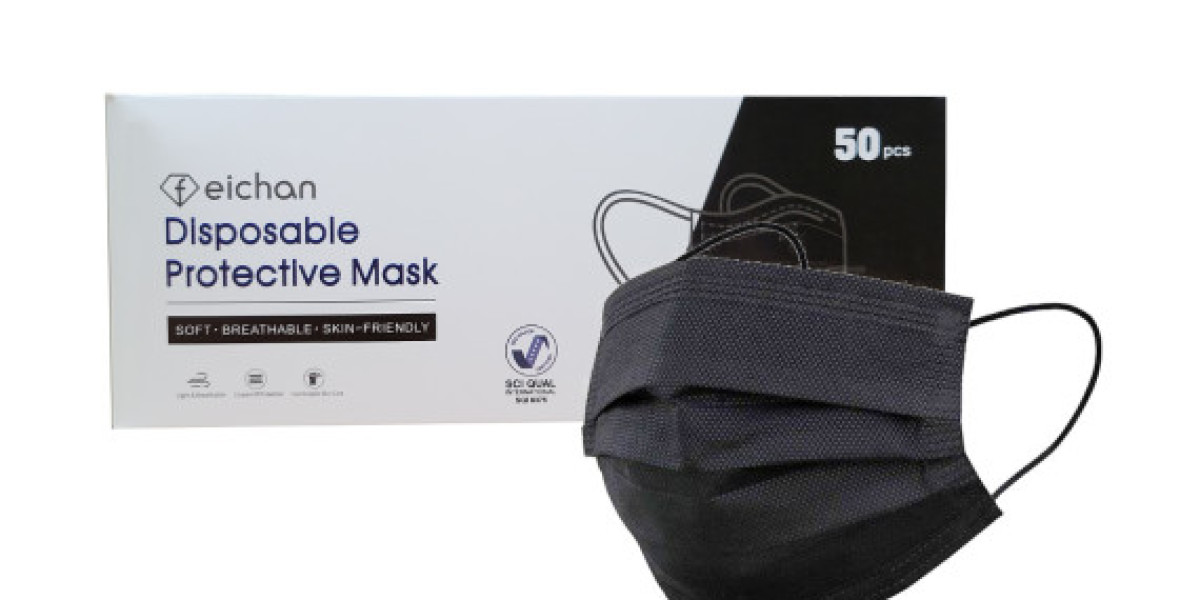

A KN95 Face Mask is a high-filtration protective mask designed to help reduce exposure to airborne particles, dust, droplets, and other contaminants. These masks have become widely recognized for their combination of filtration performance, comfort, and practical design, making them popular among healthcare workers, professionals, travelers, and everyday users.
Unlike basic cloth masks, KN95 masks are designed with multiple filtration layers that help capture very small airborne particles while allowing comfortable breathing. Their structured shape and secure fit make them a preferred choice for people looking for reliable respiratory protection.
This comprehensive guide explains what a KN95 face mask is, how it works, its benefits, different types, common uses, how to choose the right one, and answers frequently asked questions.
What Is a KN95 Face Mask?
A KN95 Face Mask is a protective respirator designed according to Chinese filtration standards. The “KN95” designation indicates that the mask is designed to filter at least 95% of airborne particles under standard testing conditions.
These masks are made with multiple layers of synthetic materials that create a filtration barrier while maintaining airflow. They are commonly used in environments where protection from airborne particles is required.
KN95 masks usually feature:
Multiple filtration layers
Adjustable nose clips
Elastic ear loops
Three-dimensional shape for better facial coverage
Lightweight and breathable materials
The design allows the mask to create a closer seal around the face compared with traditional loose-fitting masks.
How Does a KN95 Face Mask Work?
A KN95 Face Mask works through a combination of mechanical filtration and electrostatic attraction.
The inner filtration layers contain fine fibers that trap airborne particles as air passes through the mask. These layers can capture small particles, including dust, droplets, and other airborne contaminants.
The mask’s close-fitting design also helps reduce gaps between the face and the mask, improving protection compared with standard face coverings.
The effectiveness of a KN95 mask depends on several factors, including:
Mask quality
Proper fit
Correct usage
Storage conditions
Manufacturing standards
A properly fitted mask provides better protection than one that does not fit securely.
Why Choose a KN95 Face Mask?
Many people choose KN95 masks because they provide a balance between filtration performance, comfort, and convenience.
High Filtration Efficiency
The main advantage of a KN95 mask is its ability to filter a high percentage of airborne particles. The multiple-layer design helps capture small particles while maintaining airflow.
This makes KN95 masks suitable for environments where additional respiratory protection is needed.
Comfortable Breathing
Although KN95 masks provide strong filtration, they are designed to allow comfortable breathing.
High-quality masks use breathable materials that reduce discomfort during extended wear.
Better Facial Coverage
The three-dimensional shape of many KN95 masks creates more space around the nose and mouth. This design improves comfort and reduces the feeling of tightness compared with flat disposable masks.
Lightweight Design
KN95 masks are lightweight and easy to carry, making them convenient for daily use, travel, workplaces, and public environments.
Disposable Convenience
Most KN95 masks are designed for single use, which makes them easy to replace and maintain hygiene standards.
Types of KN95 Face Masks
Different KN95 masks are available based on design, features, and intended use.
Standard KN95 Face Mask
Standard KN95 masks are designed for general respiratory protection. They are commonly used by individuals, businesses, and organizations that require reliable filtration.
These masks usually include multiple layers, ear loops, and adjustable nose pieces.
Foldable KN95 Mask
Foldable KN95 masks are designed for easy storage and portability. Their flat-fold structure allows users to carry them conveniently when not in use.
They are popular among travelers and professionals who need masks on the go.
Cup-Style KN95 Mask
Cup-style KN95 masks maintain a fixed shape that provides more space between the mask and the face.
They are often preferred by users who want a structured fit and increased comfort.
KN95 Masks With Head Straps
Some KN95 masks use head straps instead of ear loops. These designs may provide a tighter seal and are often used in professional environments.
Children’s KN95 Face Masks
Children’s KN95 masks are designed with smaller dimensions to provide better fit and comfort for younger users.
A proper fit is important because an oversized mask may reduce effectiveness.
Materials Used in KN95 Face Masks
The materials used in a KN95 mask determine its filtration ability, comfort, and durability.
Nonwoven Outer Layer
The outer layer provides protection from larger particles and helps maintain the structure of the mask.
Melt-Blown Filter Layer
The melt-blown layer is the primary filtration component. It contains very fine fibers that help capture small airborne particles.
This layer plays an important role in the mask’s overall performance.
Inner Soft Layer
The inner layer is designed for comfort. It helps reduce irritation by providing a softer surface against the skin.
Elastic Ear Loops
Quality KN95 masks include comfortable elastic loops that keep the mask securely positioned while reducing pressure on the ears.
Adjustable Nose Clip
The nose clip helps users customize the fit around the nose area. A better seal improves comfort and reduces air leakage.
Benefits of Using a KN95 Face Mask
A KN95 Face Mask offers several benefits for personal protection and workplace safety.
Helps Reduce Exposure to Airborne Particles
KN95 masks provide a filtration barrier that helps reduce exposure to airborne particles, including dust, droplets, and environmental pollutants.
Useful in Various Environments
These masks can be used in healthcare settings, workplaces, transportation, outdoor environments, and crowded public spaces.
Supports Workplace Safety
Many businesses provide KN95 masks to employees who work in environments where airborne particles may be present.
Industries such as construction, manufacturing, healthcare, and laboratories may benefit from additional respiratory protection.
Comfortable for Extended Wear
Modern KN95 masks are designed with breathable materials and ergonomic shapes to improve comfort during longer periods of use.
Easy to Store and Carry
Because KN95 masks are lightweight and compact, they are convenient to keep in bags, vehicles, offices, and emergency kits.
Common Uses of KN95 Face Masks
KN95 masks are used across many industries and daily situations.
Healthcare Facilities
Healthcare professionals may use KN95 masks as part of respiratory protection practices.
Hospitals, clinics, and medical facilities require reliable protective equipment to help maintain safer working environments.
Construction Industry
Construction workers often encounter dust, particles, and airborne debris. KN95 masks can provide additional protection during activities that generate airborne particles.
Manufacturing Facilities
Factories and production environments may involve exposure to dust, chemicals, or industrial particles.
KN95 masks can be part of workplace safety programs where respiratory protection is required.
Travel and Transportation
Airports, airplanes, buses, and trains can involve close contact with many people. KN95 masks are commonly used by travelers who want additional protection.
Offices and Schools
Businesses and educational institutions may provide KN95 masks as part of workplace or campus safety measures.
Outdoor Activities
People living in areas with dust, pollution, or seasonal environmental challenges may use KN95 masks for additional protection.
KN95 Face Mask vs Surgical Mask
KN95 masks and surgical masks serve different purposes.
Surgical masks are primarily designed to protect against droplets and help prevent contamination from reaching others. They usually have a loose fit.
KN95 masks are designed for closer facial coverage and higher filtration performance. Their structure allows better protection against airborne particles when properly fitted.
The right choice depends on the environment, protection requirements, and personal needs.
How to Properly Wear a KN95 Face Mask
Correct usage is important for achieving maximum protection.
Follow these steps:
Wash or sanitize your hands before handling the mask.
Check the mask for damage before use.
Place the mask over your nose and mouth.
Secure the ear loops or straps.
Adjust the nose clip for a better seal.
Ensure there are minimal gaps around the edges.
Avoid touching the front surface of the mask while wearing it.
How Long Can a KN95 Face Mask Be Used?
The usage time depends on the environment, exposure level, and mask condition.
A KN95 mask should be replaced when:
It becomes damaged
It becomes difficult to breathe through
It becomes dirty or contaminated
The fit becomes loose
For single-use masks, replacement after extended use is generally recommended.
How to Choose a Quality KN95 Face Mask
Choosing a reliable KN95 Face Mask requires attention to quality, fit, and manufacturing details.
Check Product Information
Review product specifications, materials, filtration details, and manufacturer information before purchasing.
Look for Proper Fit
A good mask should fit securely around the nose, cheeks, and chin without uncomfortable pressure.
Consider Breathability
A quality KN95 mask should provide protection while allowing comfortable airflow.
Buy From Reliable Suppliers
Purchasing from trusted suppliers helps reduce the risk of receiving low-quality or incorrectly labeled products.
Review Packaging and Labeling
Authentic masks usually include manufacturer details, product information, and proper packaging.
Storage Tips for KN95 Face Masks
Proper storage helps maintain mask quality.
Store unused masks in a clean, dry location away from moisture, dust, and direct sunlight.
Avoid storing masks loose in contaminated areas. Keeping them inside their original packaging or a clean container helps maintain hygiene.
Environmental Considerations of KN95 Masks
Because KN95 masks are generally disposable, responsible disposal is important.
Used masks should be discarded properly to reduce environmental impact. Some organizations are also exploring improved materials and recycling options for disposable protective equipment.
Future of KN95 Face Masks
The demand for advanced protective masks continues to grow as awareness of respiratory safety increases.
Future KN95 designs may focus on improved comfort, better breathability, sustainable materials, and enhanced user-friendly features.
As industries continue prioritizing workplace safety, KN95 masks are expected to remain an important protective solution.
Frequently Asked Questions About KN95 Face Masks
What is a KN95 face mask used for?
A KN95 face mask is used to help reduce exposure to airborne particles, dust, droplets, and other contaminants. It is commonly used in healthcare, workplaces, travel, and public environments.
Are KN95 masks reusable?
Most KN95 masks are designed for single use. However, some users may follow specific storage practices for limited reuse depending on conditions and manufacturer recommendations.
How effective is a KN95 face mask?
A properly fitted KN95 mask is designed to filter at least 95% of airborne particles under standard testing conditions.
What is the difference between KN95 and N95 masks?
KN95 and N95 masks are similar in filtration performance but are tested under different standards. KN95 follows Chinese standards, while N95 follows United States standards.
Can children wear KN95 masks?
Yes, children can use specially designed children’s KN95 masks. Proper sizing is important for comfort and effectiveness.
How should a KN95 mask fit?
A KN95 mask should cover the nose, mouth, and chin while creating a secure seal around the face.
Can KN95 masks protect against pollution?
KN95 masks can help reduce exposure to many airborne particles, including certain types of pollution particles.
How should KN95 masks be stored?
Unused KN95 masks should be stored in a clean, dry place away from moisture and contamination.
Are KN95 masks comfortable?
Many KN95 masks are designed with lightweight materials, soft ear loops, and breathable layers for improved comfort.
Where can KN95 masks be used?
KN95 masks are used in healthcare, construction, manufacturing, offices, schools, travel, and everyday environments where respiratory protection is needed.
Conclusion
A KN95 Face Mask is a practical and effective protective solution designed to help reduce exposure to airborne particles and contaminants. With its multi-layer filtration system, comfortable design, and wide range of applications, it has become an important product for personal and workplace safety.
Choosing a high-quality KN95 mask, ensuring proper fit, and using it correctly are essential for achieving better protection. As respiratory safety continues to receive attention worldwide, KN95 masks will remain a valuable tool for individuals, businesses, and industries seeking reliable protection.












