
Comparing Laser and Non-Laser Tattoo Removal: A Strategic Guide for Patients in Riyadh
Deciding to remove a tattoo is a personal journey toward self-refinement. In Riyadh, you are fortunate to have access to advanced aesthetic centers that offer a variety of removal methods. However, the abundance of options can be overwhelming. Understanding the fundamental differences between laser and non-laser approaches is essential to making a safe and effective choice that protects the health of your skin. Tattoo removal in Riyadh is a safe and effective option for reducing or eliminating unwanted tattoos, helping individuals achieve clearer skin with advanced treatment techniques.
The Laser Gold Standard: Precision Through Physics
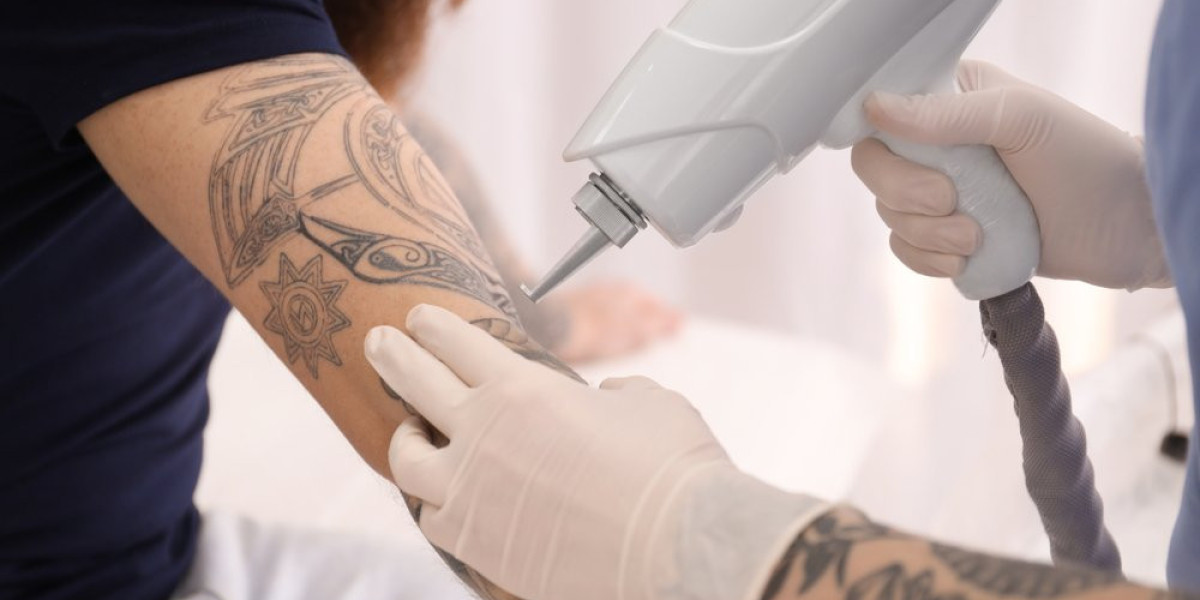
Laser tattoo removal is widely considered the most effective and safe method available today. Its dominance in the field of dermatology is due to the principle of "selective photothermolysis," which allows the laser to target the pigment specifically without causing unnecessary damage to the surrounding tissue.
How It Works
Modern lasers, particularly Picosecond and Q-switched variants, emit high-intensity pulses of light. These pulses are calibrated to specific wavelengths that correspond to the colors in your tattoo. When the laser light hits the ink, it shatters the large, permanent ink particles into microscopic fragments. Once broken down, your body’s natural immune system—specifically the lymphatic system—can identify these particles as waste and safely filter them out of your body over several weeks.
Why It Is Preferred
Precision: The laser can be tuned to target specific colors at specific depths, which is impossible for mechanical or chemical methods.
Minimal Invasiveness: Because the laser works through the skin rather than by removing the skin, the integrity of your dermal barrier is largely preserved.
Safety Profile: When performed by a qualified professional in Riyadh, the risk of permanent scarring is significantly lower compared to non-laser methods.
Versatility: Advanced lasers can treat a wide range of colors, skin tones, and tattoo sizes with predictable results.
Understanding Non-Laser Methods
Non-laser removal encompasses a variety of techniques that rely on mechanical or chemical means to remove the skin containing the ink. While some of these have historical roots or niche applications, most medical professionals in Riyadh and beyond approach them with significant caution.
1. Dermabrasion
Dermabrasion is a mechanical process where a high-speed rotating brush or diamond-tipped tool is used to "sand down" the outer layers of the skin.
The Reality: By physically removing the skin containing the ink, the tattoo is technically "removed," but the cost is high. This process creates an open, raw wound that is highly susceptible to infection and typically results in significant, permanent scarring and textural changes that are often more unsightly than the original tattoo.
2. Surgical Excision
In this method, a surgeon physically cuts the tattooed skin out and stitches the remaining skin edges together.
The Reality: This is only feasible for very small, localized tattoos. It inevitably leaves a surgical scar. While it is a "guaranteed" removal in the sense that the skin is gone, it is rarely the preferred choice for aesthetic tattoos due to the permanent linear scar it creates.
3. Saline and Chemical "Extraction"
Saline removal involves tattooing a salt solution into the skin to draw the pigment toward the surface via osmosis. Other chemical methods use various acids to dissolve layers of the skin.
The Reality: These methods are controversial and often viewed with skepticism by the medical community. Because these procedures involve creating a controlled injury or "wound" to force pigment out, the risk of scarring, hyperpigmentation, and infection is high. Saline removal is sometimes used in permanent makeup correction, but it is generally discouraged for standard body art due to the risk of "migration," where the solution and ink spread to unintended areas.
4. Tattoo Removal Creams
You may encounter marketing for creams that claim to "erase" tattoos at home.
The Reality: These products are widely regarded as ineffective and potentially dangerous. Tattoo ink is lodged deep in the dermis, and topical creams cannot penetrate this layer. At best, they are a waste of money; at worst, they contain harsh bleaching agents or acids that cause chemical burns and permanent skin damage.
Critical Comparison: Safety and Efficacy
| Feature | Laser Removal | Non-Laser (Mechanical/Chemical) |
| Primary Mechanism | Shatters ink with light energy | Removes/dissolves layers of skin |
| Precision | Extremely high; ink-specific | Very low; affects surrounding tissue |
| Scarring Risk | Low (when done by experts) | High (frequent outcome) |
| Downtime | Minimal (a few days of sensitivity) | High (weeks to months of healing) |
| Infection Risk | Low (skin remains closed) | High (due to open wounds) |
| Effectiveness | High for most inks | Low to Moderate; often unpredictable |
Making the Right Choice for Your Skin
If your goal is to reclaim a clean canvas, laser tattoo removal remains the benchmark for safety and effectiveness. The "shortcuts" offered by non-laser methods often create a new set of problems—scars, uneven texture, and discoloration—that are often much harder to fix than the original tattoo.
The "Riyadh Advantage"
In Riyadh, you have access to board-certified dermatologists and specialized medical centers. When choosing your path, prioritize:
Clinical Consultations: Always consult with a medical professional. A doctor can assess your skin type and the nature of your ink to provide a realistic removal plan.
Technological Transparency: Ask the clinic what lasers they use. The presence of newer, Picosecond technology is a strong indicator of a facility that prioritizes the best outcomes for its patients.
Safety First: If a provider suggests a non-laser method that involves cutting, sanding, or using unverified chemical agents, seek a second opinion.
Tattoo removal is a medical transformation. Just as you took the time to select an artist for your tattoo, take the time to select a professional for its removal. By choosing the precision of laser technology, you are choosing to respect your skin’s health, ensuring that when the process is complete, you are left with healthy, natural skin rather than a reminder of the removal itself.
Disclaimer: This information is for educational purposes and is not a substitute for professional medical advice. Always consult with a licensed dermatologist or medical professional in Riyadh to discuss the risks, benefits, and appropriate removal strategy for your unique skin and tattoo.
Given the comparison, are you leaning toward laser treatment, or are you looking for further clarification on the safety profile of specific non-laser methods for your particular situation?