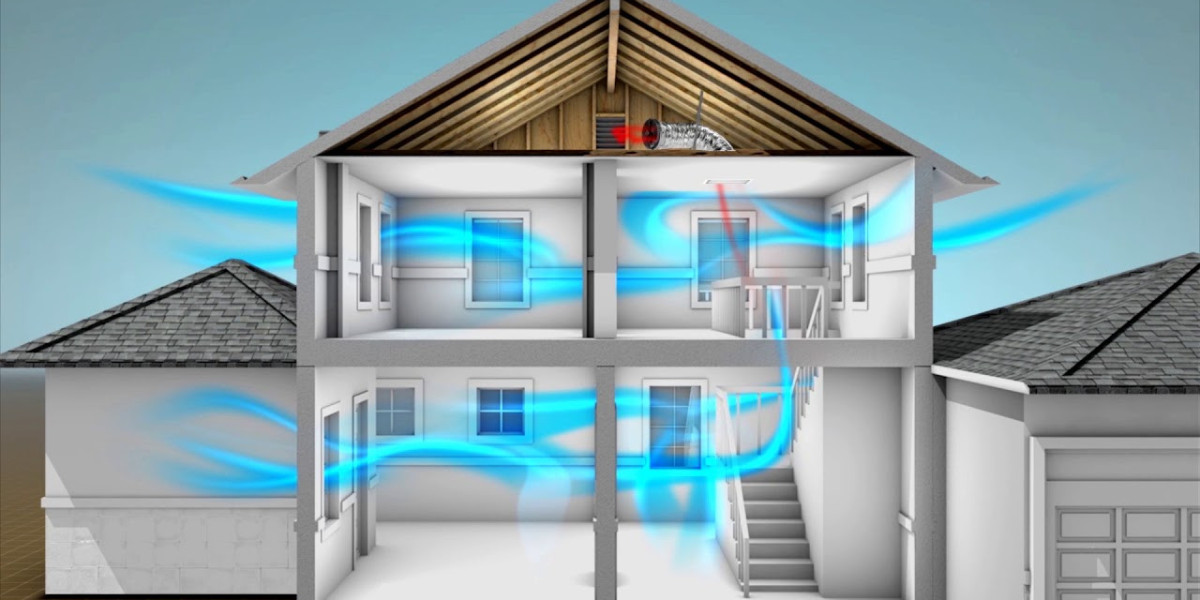

Maintaining a comfortable and healthy home environment is an essential aspect of modern living, and air quality plays a pivotal role in achieving this. A whole house ventilation system serves as an effective solution for managing indoor air by promoting consistent air exchange. These systems work to reduce indoor pollutants, control excess moisture, and regulate airflow, all of which contribute to a healthier indoor environment. Beyond health benefits, they also support structural integrity by minimising moisture-related issues such as damp and mould growth. With the increasing focus on sustainable and energy-efficient living, whole-house ventilation systems have become an integral part of creating optimised home spaces.
Understanding Whole-House Ventilation Systems
Whole-house ventilation systems are designed to facilitate continuous air circulation throughout an entire property, ensuring a healthier and more comfortable indoor environment. These systems function by systematically exchanging stale indoor air with fresher outdoor air, effectively managing air quality while reducing pollutants and excess moisture.
Unlike spot ventilation, which targets specific areas such as kitchens or bathrooms, these systems work on a larger scale, addressing the entire home. The methods used can vary, with some systems relying on mechanical components to control airflow, while others may integrate natural ventilation techniques.
Depending on the type chosen, features such as humidity regulation and filtration of incoming air may also be included. Whole-house systems are tailored to accommodate different layouts, climates, and occupant needs, making them versatile solutions for modern living spaces. By creating consistent airflow, these systems play a vital role in promoting well-being and protecting the property from issues caused by poor ventilation.
Benefits of Proper Ventilation
Effective ventilation contributes significantly to creating a comfortable and health-conscious indoor environment by maintaining air circulation and reducing the accumulation of indoor pollutants. It helps to remove harmful particles such as dust, allergens, and volatile organic compounds (VOCs) from the air, which can negatively impact respiratory health and overall well-being.
By managing moisture levels, proper ventilation also mitigates conditions that encourage the growth of mould and mildew, which can cause both structural damage and health concerns. Additionally, consistent airflow regulates indoor temperature, enhancing overall comfort within the home. Ventilation systems are particularly valuable in reducing odours and minimising the concentration of airborne bacteria, creating a fresher and more hygienic living space.
With the ability to filter incoming air, some systems also ensure that outdoor pollutants are less likely to enter the home. Through these combined benefits, proper ventilation plays an essential role in supporting a healthier and more comfortable indoor environment for all occupants.
Energy Efficiency Considerations for Heat Energy Recovery System
Ventilation systems influence the energy efficiency of a property by interacting with heating, cooling, and air circulation requirements. Choosing a heat energy recovery system tailored to the home’s size, layout, and local climate can help optimise energy performance while ensuring effective air exchange.
Incorporating features like heat recovery ventilators or energy recovery ventilators can significantly reduce energy loss by transferring heat or moisture between outgoing and incoming air. The use of insulated ductwork and energy-efficient fans further enhances performance. Regular maintenance, including cleaning filters and checking for air leaks, ensures that the system operates as intended without unnecessary energy consumption.
Additionally, integrating smart technology allows for precise control, enabling the system to adjust based on occupancy or time of day. Careful consideration of these elements ensures that ventilation systems operate effectively while maintaining energy efficiency and supporting sustainable living practices.
Types of Whole-House Ventilation Systems
Whole-house ventilation systems are engineered to provide comprehensive air circulation across an entire property, offering varied solutions tailored to different needs and environments. These systems are commonly classified into balanced, exhaust, and supply types. Balanced systems use fans to evenly manage incoming and outgoing air, maintaining consistent air quality.
Exhaust systems focus on expelling indoor air, relying on natural infiltration to bring in outdoor air, which is often more suitable for moderate climates. Supply systems, in contrast, actively draw in outdoor air through ducts and fans, creating positive pressure inside the home that helps minimise the intrusion of external pollutants.
Each system type serves a unique purpose, accommodating diverse requirements related to property design, climate conditions, and air quality goals. This versatility ensures that there is an appropriate option for various households seeking improved ventilation solutions.
Balanced Ventilation Systems
Balanced ventilation systems are designed to create a steady exchange of air by utilising both supply and exhaust fans to manage airflow. This approach ensures that fresh air is introduced into the home while stale air is simultaneously removed, maintaining consistent air quality throughout the property. These systems are particularly effective in distributing fresh air evenly across different rooms, preventing areas of stagnation and ensuring a more comfortable living environment.
By incorporating features such as filtration, they can also minimise the introduction of outdoor pollutants, enhancing indoor air purity. Balanced systems are suitable for various climates and property types, offering flexibility in installation and operation.
Their ability to regulate airflow without relying solely on natural infiltration makes them a practical option for homes requiring controlled ventilation to manage pollutants, humidity, and overall indoor comfort efficiently.
Installation and Maintenance of Full House Ventilation System
Proper installation of full house ventilation system requires careful planning to ensure that the ventilation system is appropriately suited to the property’s layout and the specific airflow needs of the building. The process involves positioning ducts, fans, and vents to maximise air circulation and minimise energy loss.
Incorrect installation can lead to reduced efficiency and potential operational issues, emphasising the importance of professional expertise during setup. Maintenance is equally critical, as it ensures the system continues to perform optimally over time.
Regular tasks include inspecting and cleaning ductwork to prevent blockages, replacing or cleaning air filters to maintain airflow and indoor air quality, and checking for any wear or damage to system components. Periodic servicing can also identify potential issues early, preventing costly repairs or disruptions in functionality. Adhering to a maintenance schedule helps maintain the longevity and effectiveness of the system.
Supply Ventilation Systems
Supply ventilation systems operate by introducing fresh outdoor air into a property using fans and ductwork. This approach creates a positive pressure environment inside the home, which helps to push out stale indoor air through natural gaps or dedicated vents.
By controlling the flow of incoming air, these systems contribute to maintaining a healthier indoor atmosphere. Many supply ventilation systems can be equipped with filters to reduce the entry of external pollutants such as dust, pollen, and other airborne particles, making them particularly beneficial in areas with poor outdoor air quality.
Additionally, these systems can often condition the incoming air, such as pre-heating or pre-cooling it, to enhance indoor comfort levels. Supply systems are well-suited for colder climates as they help limit draughts and ensure a consistent flow of clean air throughout the property.
Common Misconceptions About Mechanical Heat Recovery Unit
There are several misunderstandings surrounding mechanical heat recovery unit, which can hinder proper utilisation and decision-making. A prevalent misconception is that these systems are only necessary in homes located in regions with extreme climates, whereas they are beneficial across all environments.
Another false belief is that such systems consume excessive energy, yet modern designs often incorporate energy-efficient features, such as heat recovery technology, to minimise energy use. Additionally, some assume that whole-house ventilation systems are overly complex to install or maintain, when in fact, they are engineered to integrate seamlessly into various building types and layouts.
It is also incorrectly thought that natural ventilation methods, such as open windows, suffice to maintain air quality; however, these do not offer the controlled, consistent airflow required for optimal results. Addressing these misconceptions is essential to appreciate the true advantages of these systems.
Regulations and Standards
Regulations and standards governing ventilation systems are designed to ensure that indoor air quality and overall system performance meet established safety and efficiency criteria. These guidelines specify requirements such as minimum airflow rates, correct installation practices, and the prevention of issues like condensation or air leakage.
Compliance with these standards helps to protect occupants from health risks associated with inadequate ventilation, including poor air quality and excessive humidity levels. Additionally, regulations often address the integration of energy-efficient components, promoting sustainable practices within modern ventilation systems.
Installation and maintenance must adhere to these standards to ensure optimal operation and long-term durability of the system. By aligning with these guidelines, ventilation systems can provide consistent and effective airflow while adhering to legal and environmental requirements, contributing to the overall well-being of building occupants.
Health Benefits of Heat Recovery and Ventilation
Heat recovery and ventilation significantly contributes to fostering a healthier indoor environment by ensuring the removal of airborne contaminants and regulating moisture levels. These systems effectively reduce allergens, such as pollen and dust, which are common triggers for respiratory conditions.
By managing humidity, they help prevent the growth of mould and mildew, which can exacerbate health problems and compromise indoor air quality. Improved air circulation also limits the presence of harmful gases, including carbon dioxide and volatile organic compounds, reducing the risk of long-term health concerns.
Consistent airflow promotes a fresher, more hygienic living space, which can positively impact cognitive function and general comfort. Moreover, the use of filtration within some systems enhances the removal of external pollutants, making them particularly valuable in urban or industrialised areas where outdoor air quality may be compromised.
Exhaust Heat Ventilation Systems
Exhaust heat ventilation systems focus on expelling indoor air, relying on natural openings or small leaks in the building envelope to introduce fresh outdoor air. By creating negative pressure within the property, these systems ensure a consistent outflow of stale air, which is particularly effective in reducing moisture and controlling odours in specific areas of the home.
They are relatively straightforward to install and are best suited to homes in mild or moderate climates where outdoor air quality is less of a concern. However, the effectiveness of exhaust systems can be influenced by the airtightness of the property, as overly sealed structures may restrict the necessary flow of replacement air. Additionally, these systems do not filter the incoming air, making them less ideal for areas with significant external pollution or extreme weather conditions.
Future of Home Ventilation
Technological progress and environmental priorities are shaping the future of home ventilation, introducing systems that are both efficient and sustainable. Smart ventilation technology is becoming more prominent, allowing systems to adjust airflow, humidity, and filtration automatically based on real-time data and occupancy patterns.
Integration with renewable energy sources, such as solar-powered ventilation units, is also gaining attention, reducing reliance on conventional energy and supporting eco-conscious living. Advancements in materials are enabling the development of more durable, lightweight, and environmentally friendly components, improving system efficiency and longevity.
Additionally, compact designs and modular systems are emerging to cater to smaller or unconventional living spaces, ensuring accessibility for a wider range of households. These innovations aim to enhance indoor air quality while aligning with modern sustainability goals, reflecting the evolving priorities of contemporary housing solutions.
Conclusion
Whole house ventilation system play a crucial role in promoting healthier indoor environments by addressing air quality and moisture control. These systems offer solutions tailored to different property types and climates, ensuring comprehensive airflow throughout the home. Technological advancements have enhanced their efficiency, making them an essential feature of modern living spaces. By fostering a consistent exchange of air, these systems minimise the risks associated with indoor pollutants and humidity, contributing to both comfort and structural integrity. Their integration with energy-efficient technologies reflects the growing emphasis on sustainability and resource conservation. With ongoing innovations shaping the industry, whole-house ventilation systems are positioned to support the creation of healthier and more environmentally conscious homes for years to come.
FAQs
What is a full house ventilation system?
A full house ventilation system is designed to circulate fresh outdoor air throughout the home while helping remove stale indoor air, improving overall air quality and comfort.
How often should a home ventilation system be maintained?
Most ventilation systems benefit from routine inspections and filter cleaning or replacement according to the manufacturer's recommendations. Regular maintenance helps ensure efficient performance and extends the system's lifespan.
Can a ventilation system help reduce indoor moisture?
Yes, a properly operating ventilation system can help manage excess humidity by improving airflow and reducing moisture buildup, which may lower the risk of condensation and mould growth.
Is a ventilation system suitable for both new and older homes?
Yes, ventilation solutions are available for a wide range of properties. The most suitable option depends on the home's layout, insulation, and existing heating or cooling setup.
Does a ventilation system increase energy efficiency?
Many modern ventilation systems are designed to improve indoor air circulation while minimising unnecessary energy loss. Choosing the right system and ensuring professional installation can contribute to better overall efficiency.
Related Business Listings |