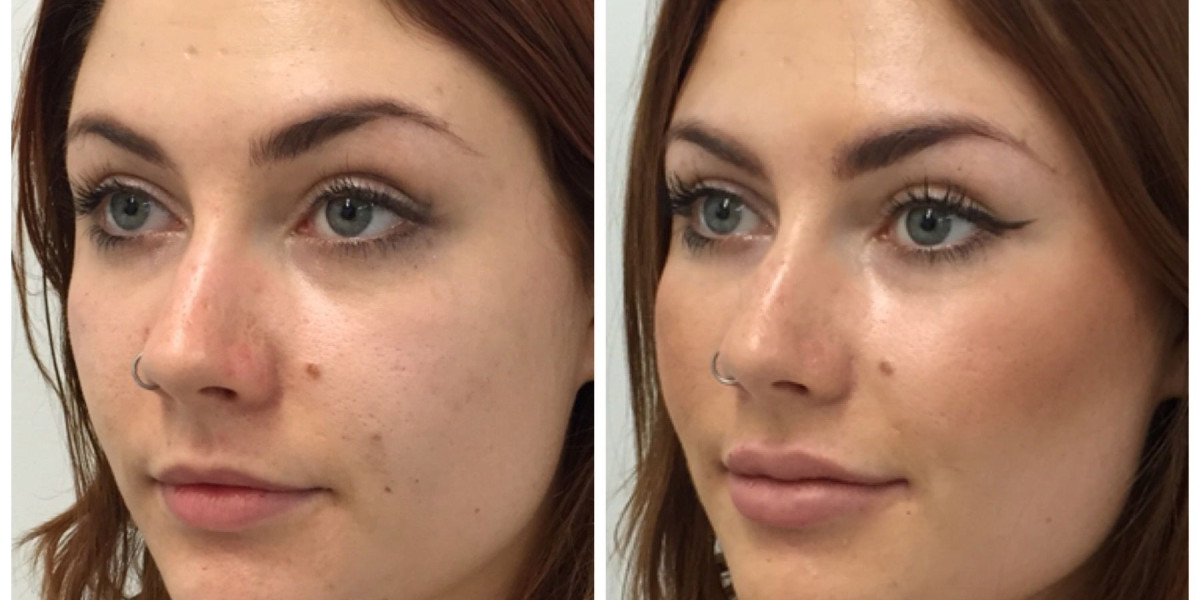

Choosing Between Fillers and Implants for Cheek Augmentation in Riyadh
Cheek Augmentation in Riyadh has become an increasingly popular aesthetic choice for individuals seeking to restore facial volume or enhance their natural bone structure. As patients navigate their options, a common dilemma arises: choosing between non-surgical dermal fillers and permanent surgical implants. Both methods are highly effective at achieving a lifted, youthful mid-face, but they offer vastly different experiences, longevity, and outcomes. Understanding the distinction between these approaches is vital for making an informed decision that aligns with your lifestyle, budget, and long-term aesthetic vision.
The Appeal of Dermal Fillers
Dermal fillers represent the most common non-surgical approach to facial contouring. These injectable treatments primarily utilize hyaluronic acid—a substance naturally found in the body—to add volume and lift to the malar region. The primary advantage of fillers is their convenience. A session can typically be completed in under an hour, with no need for general anesthesia or significant recovery time.
For many patients in the city, fillers offer the ideal "trial" period. Because the results are temporary—lasting anywhere from six to eighteen months depending on the product used—patients can enjoy the benefits of improved cheek definition without committing to a permanent change. This makes them a perfect choice for those who are new to facial aesthetics or who wish to refine their look gradually. If the outcome is not exactly what the patient imagined, the effects will naturally subside, or in some cases, can be dissolved by a specialist, offering a level of flexibility that surgery cannot provide.
The Permanence of Surgical Implants
Cheek implants, by contrast, offer a definitive solution for those seeking permanent structural enhancement. This surgical procedure involves the placement of biocompatible materials, such as medical-grade silicone or porous polyethylene, directly onto the cheekbone. The implants are meticulously chosen to match the patient’s facial anatomy, ensuring that the volume added is balanced and proportional to the rest of the features.
Surgery is often the preferred route for patients with significant skeletal deficiencies or for those who have grown tired of the recurring maintenance required by frequent filler injections. Once the initial swelling subsides and the tissue heals, the implant provides a consistent, unchanging result. While the recovery phase for surgery is more involved—requiring a few weeks of rest and adherence to post-operative care—the investment of time is rewarded with a permanent improvement that does not require repeat visits to the clinic for volume top-ups.
Factors Influencing the Decision
Choosing between these two paths requires a candid conversation about your specific anatomical needs and aesthetic goals. A key consideration is the degree of change you desire. Fillers are excellent for subtle, refined volume, such as filling in a hollow under-eye area or slightly lifting the apple of the cheek. However, they may be insufficient for someone who desires a sharp, dramatic enhancement of the zygomatic arch. For patients who want to fundamentally alter the shape of their cheekbones or who have significant congenital flatness, implants provide a structural support that fillers simply cannot mimic.
Another factor is your comfort level with surgical procedures. While both options are safe when performed by experienced professionals, surgery carries the inherent risks of anesthesia, infection, and longer healing times. If your lifestyle prevents you from taking time off for recovery, or if you prefer a non-invasive approach, fillers remain the superior option. Conversely, if you prioritize long-term efficiency and are prepared for a controlled surgical process, implants offer an enduring transformation that eliminates the need for future maintenance.
Achieving Balanced Results
Regardless of the method chosen, the primary goal should always be facial harmony. Over-filling or selecting an implant that is too large can lead to a distorted or artificial appearance. A skilled specialist will assess your facial proportions—including the relationship between your cheeks, chin, and jawline—to ensure that the augmentation looks natural.
In the modern aesthetic landscape, the most successful outcomes are those that look like a refreshed version of the patient's own face. Whether opting for the versatility of fillers or the permanence of implants, the best approach is to start with a thorough consultation. By discussing your unique goals and understanding the physical requirements of each procedure, you can confidently choose the path that will best enhance your features, boost your self-confidence, and help you achieve the look you have been seeking. As you evaluate these choices, focus on finding a professional who prioritizes balance, safety, and your individual aesthetic preferences, ensuring that your journey toward a more sculpted appearance is as seamless and satisfying as possible.