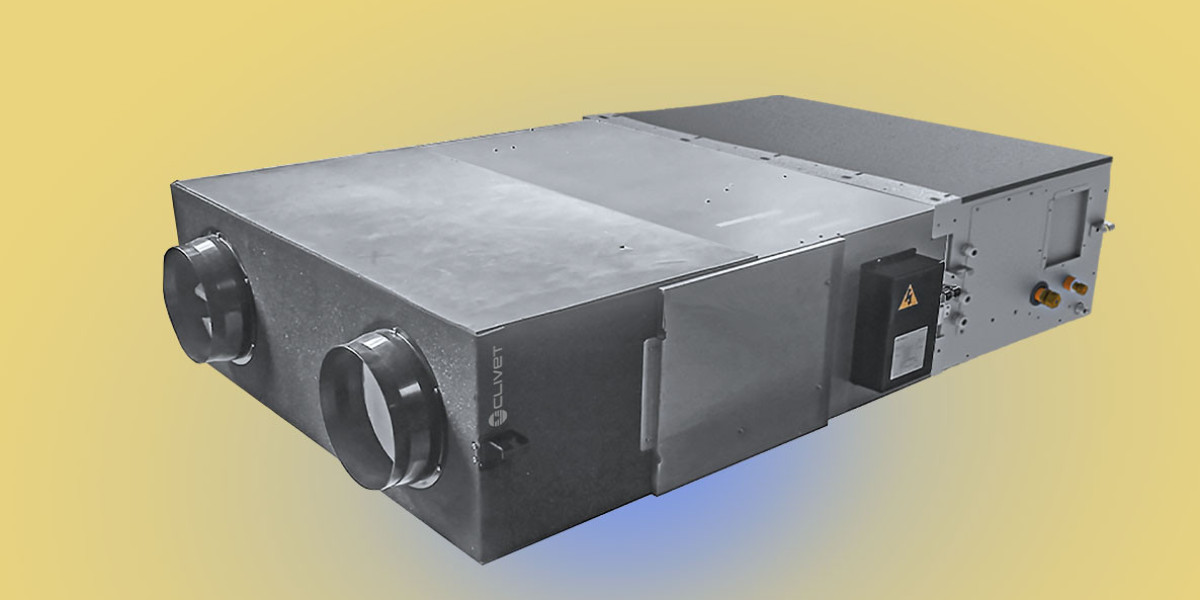

Heat and recovery air exchangers are designed to improve ventilation while conserving energy, making them a key feature in modern, energy-efficient buildings. These systems work by transferring heat from outgoing stale air to incoming fresh air, ensuring a consistent indoor climate without significant energy loss. By balancing airflow and reducing dependency on traditional heating methods, they support sustainable living and enhance indoor comfort. Particularly effective in airtight and well-insulated homes, heat recovery air exchanger helps mitigate issues caused by poor ventilation, such as humidity build-up and stale air. Their ability to maintain air quality while reducing energy consumption highlights their importance in contemporary construction and retrofitting projects. Understanding how these systems function underscores their growing relevance in creating healthier and more efficient living spaces in various types of environments and climates.
How HRV Systems Function
Heat recovery ventilation (HRV) systems utilise a heat exchanger core to facilitate the transfer of thermal energy between outgoing and incoming airflows. This process ensures that heat from the exhaust air is retained without mixing it with the incoming fresh air. The system employs fans to move air through separate channels and filters to remove airborne contaminants, improving indoor air quality.
Control systems manage the operation to ensure consistent performance and energy efficiency. The heat exchanger core, commonly constructed from materials such as aluminium or polymers, plays a central role in maintaining the system’s efficiency. The design allows HRV systems to provide balanced ventilation, delivering fresh air while conserving energy.
By effectively managing airflow and heat transfer, these systems contribute to maintaining a comfortable indoor environment in various climates and building types.
Benefits of Using an HRV Heat Transfer System
An HRV heat transfer system offers a practical solution for maintaining a balanced indoor climate while reducing energy consumption. These systems effectively recover heat from outgoing air and transfer it to incoming fresh air, minimising the reliance on additional heating systems. Continuous ventilation provided by HRV systems helps improve indoor air quality by removing stale air, reducing airborne pollutants, and mitigating moisture build-up.
By maintaining a steady airflow, these systems play a key role in preventing conditions that encourage mould growth and dampness. The improved ventilation is particularly advantageous in well-insulated and airtight properties, where natural air circulation is limited.
HRV systems also contribute to creating a healthier indoor environment by regulating humidity levels and ensuring consistent thermal comfort, making them an integral part of modern, energy-efficient building designs.
The Role of HRV in Reducing Carbon Footprint
HRV systems contribute to environmental sustainability by conserving energy through efficient heat recovery processes. These systems reduce reliance on conventional heating methods, which are often associated with higher carbon emissions. By transferring heat from outgoing air to incoming air, HRV systems minimise energy waste, supporting efforts to lower overall energy consumption.
Improved ventilation reduces the need for supplementary equipment, further decreasing energy use and associated emissions. Their integration into energy-efficient building designs aligns with growing environmental concerns, promoting responsible energy use.
Additionally, by maintaining consistent indoor climates, HRV systems help reduce strain on heating and cooling appliances, indirectly prolonging their operational efficiency and lowering the environmental impact over time. These systems represent a practical step towards achieving environmentally responsible practices in residential and commercial buildings, aligning with global efforts to reduce carbon emissions.
Installation Considerations for HRV Unit
Proper planning is essential when integrating an HRV unit into a building. The unit’s capacity must align with the property’s size and ventilation requirements to ensure effective performance. Placement of the unit should allow for efficient airflow, with ductwork designed to minimise resistance and avoid imbalances in pressure. Adequate insulation of ducts is necessary to prevent heat loss or condensation within the system.
Factors such as local climate and building design influence the choice of HRV system, as these impact its operational efficiency. Compliance with local building regulations and standards ensures both safety and optimal functionality.
Professional installation is recommended to address technical aspects such as sealing and calibration, reducing the risk of future complications. Considering these elements during the installation phase can maximise energy efficiency and support long-term system performance.
Maintenance Tips for HRV Systems
Effective maintenance of heat recovery ventilation systems is crucial to sustaining their performance and efficiency over time. The filters, which play a key role in removing airborne particles, should be cleaned or replaced regularly to prevent blockages and maintain airflow. Inspecting the heat exchanger core periodically ensures it remains free from dust and debris, which could impede heat transfer. Fans and motors require checks for any signs of wear, as their smooth operation is essential for consistent airflow.
Ducts should be examined to confirm they are clear and free of obstructions that may disrupt the system’s balance. Professional servicing is recommended at least annually to address any technical adjustments or potential issues. Adhering to a maintenance schedule helps prolong the system’s lifespan and supports its ability to deliver effective ventilation and energy conservation.
Comparing HRV and ERV Systems
Heat recovery ventilation (HRV) and energy recovery ventilation (ERV) systems both facilitate improved indoor air quality by exchanging stale air with fresh air, yet they differ in their management of humidity. HRV systems prioritise the transfer of heat between airflows without addressing moisture levels, making them suitable for regions where humidity control is not a primary concern. In contrast, ERV systems transfer both heat and moisture, which is beneficial in climates where regulating indoor humidity is essential.
The selection of either system depends on specific climatic conditions and individual requirements for maintaining indoor air comfort. Understanding the distinctions between HRV and ERV systems ensures informed choices when determining the most effective ventilation solution for a property.
Economic Advantages of HRV Systems
HRV systems are designed to optimise energy usage by recovering heat that would otherwise be wasted, reducing the need for additional heating and lowering energy bills. Over time, the cost savings from decreased energy consumption can offset the initial installation expenses. These systems also lessen the demand on traditional heating and cooling equipment, potentially extending their operational lifespan and reducing associated maintenance costs.
Their ability to enhance the energy efficiency rating of a building may positively influence property valuation, particularly in markets prioritising sustainable features. By integrating HRV systems into homes or commercial properties, energy efficiency improvements align with financial advantages, offering an effective solution for managing long-term energy expenditure while maintaining indoor air quality and comfort.
Impact of Climate on HRV System Efficiency
The performance of an HRV system varies depending on climatic conditions, as temperature differences influence heat recovery effectiveness. In colder regions, these systems excel in retaining warmth from outgoing air, which reduces reliance on supplementary heating. Conversely, in milder climates, the system’s focus may shift towards maintaining ventilation rather than significant heat recovery.
Design features such as bypass modes or variable-speed fans can help adapt the system’s functionality to seasonal changes, ensuring efficient operation regardless of weather variations. Proper selection and configuration of an HRV system, tailored to the local climate, are essential for achieving optimal performance. This ensures the system meets the specific ventilation and energy efficiency requirements of the property in diverse environmental conditions.
Technological Innovations in HRV Systems
Advancements in technology have significantly improved the functionality of HRV systems, enabling more efficient and precise ventilation solutions. Modern systems often include integrated sensors that monitor air quality and adjust airflow rates accordingly, ensuring optimal performance under varying conditions. High-efficiency heat exchangers have been developed to maximise energy recovery, even in extreme temperatures.
Additionally, the use of noise-reduction technologies ensures quieter operation, enhancing user comfort. Some models feature enhanced filtration systems capable of capturing finer particles, contributing to improved indoor air quality. The incorporation of automation and connectivity features, such as remote monitoring and control through mobile applications, further enhances their convenience and efficiency.
These innovations continue to align HRV systems with the growing demand for sustainable and smart home technologies.
Safety Features of Modern HRV Systems
Modern HRV systems are designed with safety mechanisms to ensure dependable operation and compliance with building standards. Frost protection safeguards the heat exchanger from freezing during low temperatures, maintaining system functionality. Fire dampers integrated into ductwork act as a barrier, limiting the spread of fire through ventilation pathways. Advanced filtration components are employed to maintain air quality while preventing the introduction of harmful particles into indoor spaces.
Furthermore, these systems are built to adhere to rigorous regulatory requirements, ensuring reliable performance in residential and commercial applications. These features collectively enhance the operational safety and resilience of modern HRV systems.
Environmental Impact of HRV Systems
HRV systems play a significant role in promoting sustainability by efficiently managing energy consumption within buildings. By recovering thermal energy from outgoing air, they decrease the reliance on traditional heating methods, thus reducing associated greenhouse gas emissions.
Additionally, these systems contribute to improved indoor air quality by removing airborne pollutants, aligning with health-focused building practices. Their integration into energy-efficient construction supports eco-friendly living, meeting increasing environmental standards.
Through optimising energy usage and fostering healthier indoor conditions, HRV systems exemplify a practical approach to minimising the ecological footprint of residential and commercial properties, reflecting advancements in sustainable design and operation.
Conclusion
In conclusion, heat recovery air exchangers represent a vital advancement in residential design, marrying superior indoor air quality with outstanding energy conservation. By systematically capturing thermal energy from exhaust air and repurposing it to temper incoming fresh air, these systems offer a sustainable alternative to traditional, high-emission climate control methods. Implementing an HRV system lowers long-term electricity bills, curbs structural dampness, and minimises carbon footprints across diverse Australian conditions. Prioritising professional installation and adhering to simple maintenance schedules ensures these units work flawlessly, providing a healthier, more predictable, and highly efficient living environment for modern, eco-conscious households.
FAQs
How exactly does the heat recovery air exchanger core transfer warmth without mixing separate airflows?
The heat recovery air exchanger core utilises alternating, sealed micro-channels constructed from highly conductive materials like aluminium or advanced polymers. The outgoing stale air and the incoming fresh air travel through these separate paths simultaneously. Thermal energy naturally moves across the channel walls from the warmer stream to the cooler one, transferring heat efficiently whilst completely isolating the distinct airflows.
What are the main differences between an HRV system and an ERV system?
An HRV system focuses entirely on transferring thermal energy between the airflows without adjusting internal moisture levels, making it ideal for cooler climates. Conversely, an ERV system transfers both heat and humidity. This moisture management makes ERV units highly effective in humid Australian regions where controlling indoor moisture levels is critical for maintaining overall thermal comfort.
How often should filters be cleaned or replaced to maintain optimal unit efficiency?
Filters must be inspected and cleaned every three to six months to prevent the accumulation of airborne dust and debris from blocking vital airflow. Clogged filters force internal fans to work harder, which drastically lowers heat recovery efficiency and increases power consumption. Replacing these filters annually guarantees the highest standard of indoor air quality and structural performance.
Can an HRV system operate effectively during extreme winter conditions without freezing?
Modern units feature integrated frost protection mechanisms specifically engineered to prevent the core from freezing when external temperatures drop significantly. The system automatically activates a pre-heater or briefly triggers a bypass mode, altering internal airflow patterns to warm the core using outgoing exhaust air. This temporary operational adjustment ensures continuous, damage-free ventilation performance throughout colder spells.
What economic benefits can homeowners expect after installing an HRV unit?
Homeowners can expect immediate reductions in energy bills due to the significantly decreased demand placed on traditional heating and cooling appliances. Over time, these combined utility savings work to offset the initial installation costs completely. Furthermore, establishing balanced ventilation protects structural integrity against expensive mould remediation whilst boosting the property's overall energy rating and market valuation.
Related Business Listings |