
Achieving Symmetry and Smoothness: The Art of Advanced Fat Sculpting
Achieving a smooth, symmetrical result with fat transfer surgery riyadh grafting is a refined blend of surgical precision and biological management. Because fat is living tissue, it behaves differently than a static implant. Advanced sculpting relies on a "micro-management" approach, where the surgeon controls the environment at every stage of the procedure.
The Foundation of Smoothness: Advanced Injection Techniques
The most critical factor in avoiding lumps, bumps, or irregularities is how the fat is introduced into the body.
Micro-Droplet Deposition: Rather than injecting large boluses of fat, expert surgeons use a layered micro-injection technique. By depositing tiny "threads" or "droplets" of fat across multiple tissue planes, the surgeon ensures that every fat cell is surrounded by healthy, vascularized tissue. This maximizes the surface area for blood supply, which is the key to both graft survival and a smooth, natural finish.
Cannula Selection: The use of fine, blunt-tipped cannulas is essential. These tools allow for precise, controlled distribution without damaging the surrounding structures. A smaller cannula diameter typically correlates with a lower risk of visible irregularities.
The "Scaffold" Concept: Think of the injected fat as a living scaffold. By spreading it evenly in small parcels, the surgeon allows the body to integrate the fat seamlessly, preventing the "clumping" that leads to palpable nodules or localized fat necrosis.
Strategies for Symmetry
Achieving perfect symmetry is challenging because every patient has inherent underlying anatomical differences—such as variations in muscle tone, bone structure, or baseline skin elasticity. Surgeons address this through:
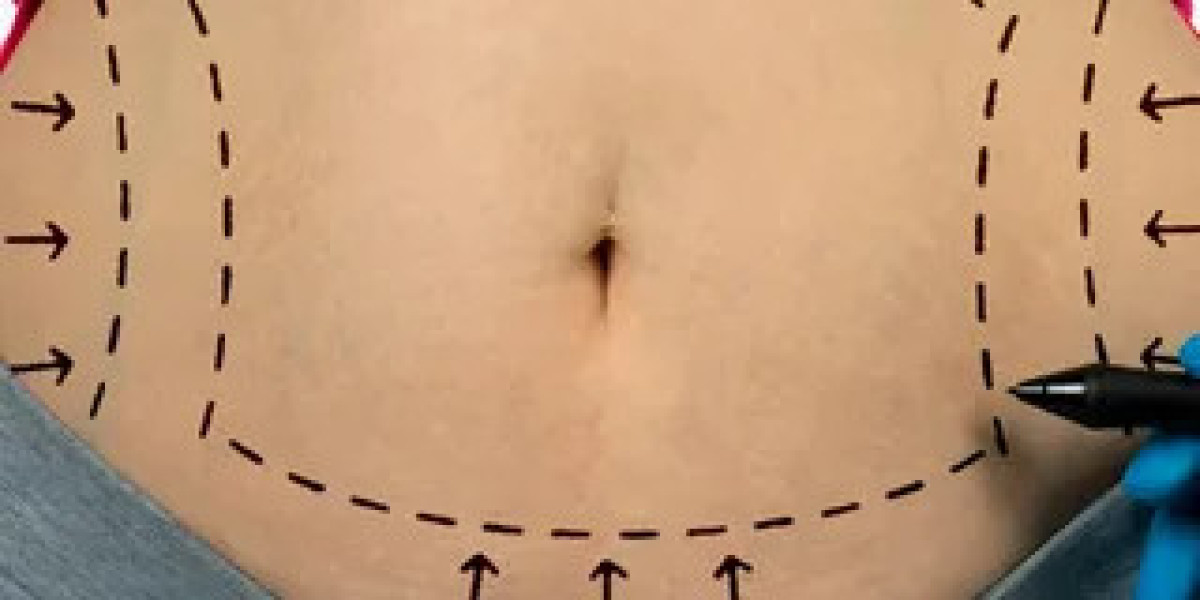
Pre-Operative Mapping: Expert surgeons perform careful body mapping while the patient is standing, identifying baseline asymmetries before the surgery even begins. This ensures that the plan for volume distribution is personalized to your specific anatomy.
Intraoperative Assessment: During the procedure, the surgeon frequently pauses to compare sides. Some advanced surgeons use real-time ultrasound guidance to verify the depth and volume of placement, ensuring that both sides are treated with the same precision.
Conservative Volumization: Because over-filling one side can be harder to correct than under-filling, surgeons often take a "balanced-start" approach. It is easier to add a small, precise amount of fat in a secondary, minor touch-up session than to remove excess, solidified fat later.
Donor Site Sculpting
A common oversight is neglecting the donor site. Advanced sculpting treats the harvest area with the same level of care as the injection site:
Uniform Harvesting: Using gentle, low-pressure liposuction ensures that the donor area remains smooth. Aggressive or uneven fat removal can leave behind depressions or "divots."
Strategic Contouring: The liposuction phase is not just about gathering fat—it is a sculpting procedure in its own right. By harvesting fat in a way that respects the natural contours of the abdomen, flanks, or thighs, the surgeon ensures that the harvest area looks toned and natural once healed.
Biological Integrity: The "Internal" Finish
Your body plays a major role in the final smoothness of the result:
Protection of the Graft: In the first few weeks, the "smoothness" of your result is protected by avoiding direct pressure. Sitting, sleeping positions, or tight clothing can "squish" or displace the newly grafted fat before it has established a permanent home.
Avoidance of Trauma: Post-operative massage is generally not recommended for the recipient site, as it can disrupt the fragile blood vessels forming around the new grafts. Allowing the fat to "set" undisturbed is the best way to ensure it remains smooth and uniform.
Final Insight: If you notice small irregularities in the first few weeks, do not be alarmed. Much of this is due to uneven swelling or the natural settling of the grafts. The final "sculpted" result is typically assessed at the 3- to 6-month mark once the fat has fully integrated and the body has finished its natural reabsorption phase.
Are you currently concerned about specific areas of symmetry, or are you in the early stages of planning your procedure and want to know more about how your surgeon will map your contours?