
Fat Transfer Surgery in Riyadh: A Comprehensive Guide for Beginners
Fat Transfer Surgery in Riyadh is becoming an increasingly popular aesthetic solution for individuals looking to enhance their physical contours using their own natural tissue. Often referred to as fat grafting or lipomodelling, this procedure offers a unique "dual-benefit" approach: it removes unwanted fat from donor areas of the body and repurposes it to add volume, shape, and youthfulness to target regions such as the face, breasts, or buttocks. Because the procedure utilizes autologous fat—meaning tissue harvested from your own body—it eliminates the risks associated with synthetic fillers or foreign implants, such as allergic reactions or immune rejection. For beginners considering this transformation, understanding the process, the recovery journey, and the realistic outcomes is the first step toward making an informed decision.
The Science and Process of Fat Transfer
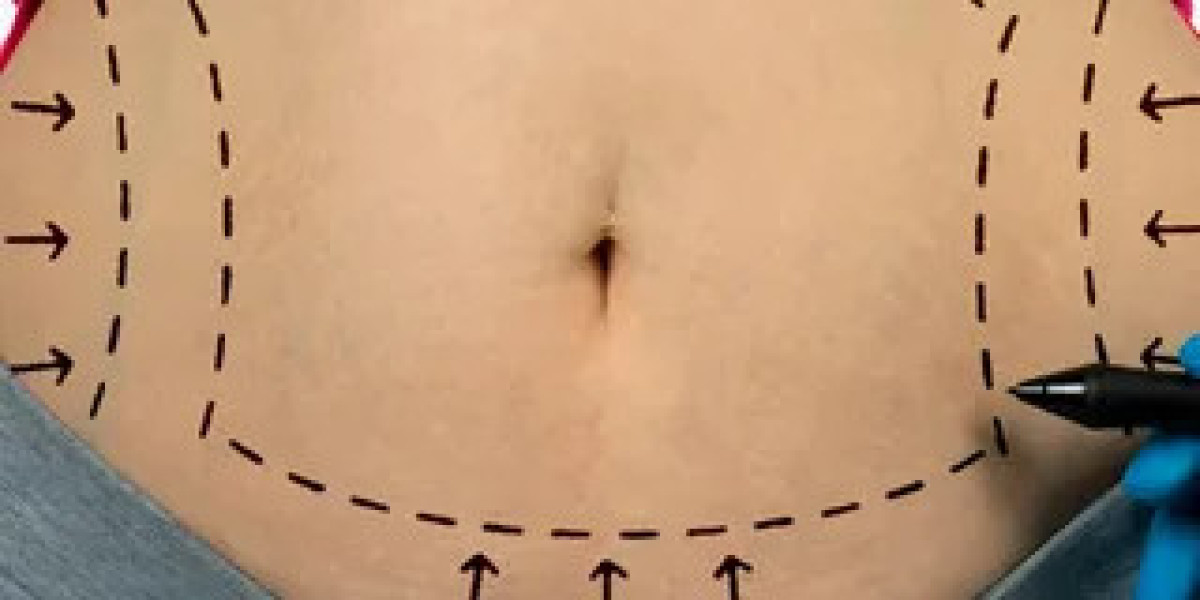
At its core, fat transfer is a meticulous surgical technique that involves three primary stages: extraction, purification, and injection. The process begins with gentle liposuction, where a specialized cannula is used to harvest fat cells from areas where you may have excess deposits, such as the abdomen, thighs, hips, or flanks. This not only provides the necessary material for the transfer but also serves as a subtle body-contouring procedure for the donor site.
Once the fat is collected, it undergoes a critical purification phase. Using techniques like centrifugation or filtration, the surgeon separates viable, healthy fat cells from excess fluids, blood, and damaged tissue. This refined, "liquid gold" fat is then prepared for reinjection. The final stage involves the precise placement of these purified fat cells into the target areas using micro-cannulas. By injecting the fat in small, layered droplets, the surgeon ensures that the grafts can integrate into the existing tissue and establish a new blood supply, which is essential for the long-term survival of the transferred cells.
Common Areas for Enhancement
Fat transfer is a versatile procedure that can be customized to meet various aesthetic goals. Facial rejuvenation is a common request, where fat is used to restore volume to sunken cheeks, diminish under-eye hollows, or smooth out nasolabial folds, providing a refreshed, natural-looking appearance.
For body enhancement, the procedure is frequently used for breast augmentation and gluteal contouring. When used for the breasts, it provides a subtle increase in size and a more natural feel compared to traditional implants. Similarly, gluteal fat grafting—often known as a Brazilian Butt Lift—uses transferred fat to improve the shape, projection, and definition of the buttocks. Because the fat is a living tissue, the results tend to feel and look more natural, moving and aging with your body rather than remaining as a static, artificial component.
Preparing for Your Procedure
Preparation is key to ensuring a smooth surgical experience and optimal graft survival. In the weeks leading up to the procedure, you will be advised to maintain a stable body weight, as significant fluctuations can affect the quality and retention of the fat. A healthy, balanced diet and proper hydration are essential to support your body’s healing capacity.
Medical guidance will typically require you to discontinue the use of blood-thinning medications, including aspirin, ibuprofen, and certain herbal supplements, for at least two weeks before surgery. Smoking must be strictly avoided, as it impairs blood circulation and can significantly reduce the viability of the transferred fat cells. You should also organize your post-operative recovery by arranging for someone to drive you home and assist you with daily activities for at least the first 24 to 48 hours.
Recovery and Aftercare
Recovery from fat transfer is a gradual process that requires patience. Immediately following the surgery, you can expect some degree of swelling, bruising, and mild discomfort at both the donor and recipient sites. These symptoms are a normal part of the healing process and typically subside within the first two to three weeks.
During the initial phase of recovery, it is crucial to avoid putting direct pressure on the treated areas. For instance, if you have undergone gluteal fat grafting, you will be instructed to avoid sitting or lying directly on your buttocks for an extended period to protect the graft. Similarly, facial or breast procedures may require you to sleep in an elevated position or avoid strenuous upper-body movements. You will likely be provided with compression garments to wear over the donor areas, which help minimize swelling and assist the skin in retracting smoothly.
While you may be able to return to light, non-strenuous activities within a few days, full recovery typically takes several weeks. It is important to remember that not all injected fat will survive; typically, a percentage of the cells are reabsorbed by the body during the first three to six months. Your surgeon will account for this during the initial injection, and follow-up assessments will determine the final aesthetic result. By adhering to post-operative guidelines and attending all scheduled check-ups, you can support the long-term integration of the fat, leading to lasting, natural-looking improvements that enhance your confidence and overall silhouette.













