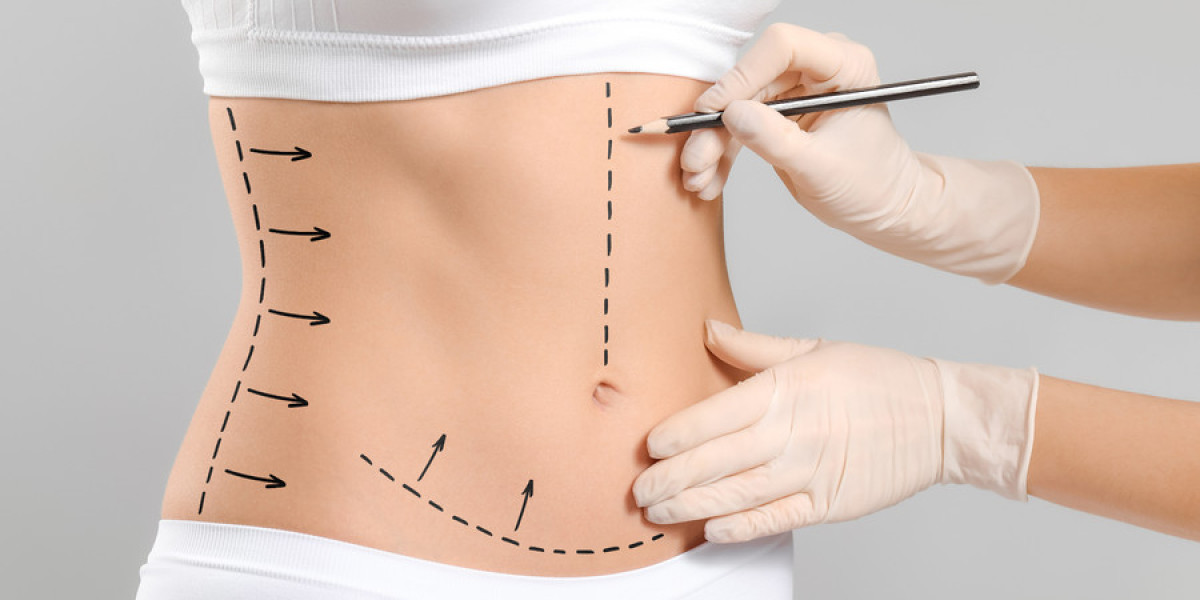

Myths and Misconceptions About Liposuction
Liposuction is one of the most well-known cosmetic procedures worldwide, yet it is also surrounded by a lot of confusion. Many people have unrealistic expectations or incorrect assumptions about what it can and cannot do. These myths often come from social media, word of mouth, or exaggerated portrayals of cosmetic surgery.
In modern aesthetic practice, including clinics in Riyadh, patient education is considered just as important as the procedure itself, because clear understanding leads to safer decisions and more satisfying results. Many people consider Liposuction in Riyadh as a body contouring option to remove stubborn fat deposits and achieve a more sculpted appearance.
Myth 1: Liposuction Is a Weight-Loss Solution
One of the most common misconceptions is that liposuction is designed for significant weight loss. In reality, liposuction is a body contouring procedure, not a weight reduction method.
It is best suited for removing localized fat deposits that do not respond to diet and exercise. Patients usually see changes in shape and proportions rather than a dramatic drop in body weight.
People expecting major weight loss from liposuction are often disappointed, which is why proper consultation is essential before the procedure.
Myth 2: Fat Comes Back After Liposuction
Another widespread belief is that fat returns after liposuction. The truth is that fat cells removed during the procedure do not regenerate in the treated areas.
However, remaining fat cells in other parts of the body can still expand if a person gains weight. This can create the illusion that fat has “returned,” but it is actually new fat accumulation elsewhere.
Maintaining a stable weight through diet and exercise is key to preserving results.
Myth 3: Liposuction Can Tighten Very Loose Skin
Many people assume liposuction will automatically tighten sagging skin, but this is not always the case. Liposuction primarily removes fat, not excess skin.
If skin elasticity is good, it may contract naturally after fat removal. However, in cases of significant skin laxity, additional procedures such as skin tightening treatments or surgical lifts may be required.
Understanding this limitation helps set realistic expectations.
Myth 4: Liposuction Is a Quick Fix for Obesity
Liposuction is often misunderstood as a solution for obesity. In reality, it is not suitable for individuals with large amounts of excess body weight.
The procedure is designed for people who are close to their ideal weight but struggle with stubborn fat areas. Using liposuction as a shortcut for weight loss can lead to poor results and health risks.
A healthy lifestyle remains essential both before and after treatment.
Myth 5: Results Are Immediate and Final Right After Surgery
While some changes may be visible soon after the procedure, final results take time to develop. Swelling, bruising, and fluid retention are normal in the early recovery phase.
It can take several weeks or even months for the full results to appear as the body heals and settles into its new shape. Patience is an important part of the recovery process.
Myth 6: Liposuction Is Extremely Painful
Many people assume liposuction is a very painful procedure. In reality, modern techniques use anesthesia and advanced pain control methods to minimize discomfort.
During the procedure, patients typically feel no pain. Afterward, they may experience mild to moderate soreness, similar to muscle ache, which gradually improves over time.
Pain levels vary depending on the extent of treatment and individual tolerance.
Myth 7: Liposuction Leaves Large Scars
A common concern is visible scarring. However, liposuction uses very small incisions, usually only a few millimeters in size.
These incisions are placed in discreet areas and tend to fade significantly over time. In most cases, scars become barely noticeable after proper healing.
Myth 8: Liposuction Results Look Unnatural
Some people worry that liposuction results will look artificial or “overdone.” This usually happens only when procedures are performed without proper technique or planning.
When done correctly, liposuction is designed to enhance natural body contours rather than change them dramatically. The goal is smooth, balanced, and proportionate results that fit the patient’s natural frame.
Myth 9: Only Women Get Liposuction
Although liposuction is often associated with female patients, it is increasingly common among men as well.
Men often seek treatment for areas such as the abdomen, chest, and flanks. The goal is usually to achieve a more defined and athletic appearance.
In many clinics, male patients now represent a significant portion of body contouring cases.
Myth 10: Liposuction Replaces Diet and Exercise
Another major misconception is that liposuction eliminates the need for a healthy lifestyle. While the procedure removes stubborn fat, it does not prevent future weight gain.
Long-term results depend on maintaining balanced nutrition, regular exercise, and stable body weight. Without these habits, new fat can still accumulate in untreated areas.
The Importance of Realistic Expectations
One of the biggest factors in patient satisfaction is having realistic expectations. Liposuction can significantly improve body shape, but it is not a miracle solution.
Understanding what the procedure can and cannot do helps patients make informed decisions and feel more satisfied with their results.
Clinics in places like Riyadh often place strong emphasis on consultation and education to ensure patients fully understand the process before undergoing treatment.
Final Thoughts
Liposuction is a safe and effective body contouring procedure when performed with proper technique and realistic expectations. However, myths and misconceptions often lead to confusion about its purpose and outcomes.
By separating fact from fiction, patients can better understand the true role of liposuction—as a sculpting tool rather than a weight-loss solution. With accurate information and professional guidance, individuals can make confident, well-informed decisions about their aesthetic journey.