
Trends in Birth Defect Prevalence Across Tertiary Care Hospitals in Riyadh
The clinical environment within the capital’s major medical centers provides a unique lens through which to observe the evolving landscape of neonatal health, specifically regarding the frequency and types of structural abnormalities identified at birth. When analyzing current data, it is evident that Congenital Anomalies in Riyadh remain a significant health concern, characterized by higher-than-average prevalence rates compared to various international benchmarks. Tertiary care hospitals, acting as the primary referral hubs for the most complex pediatric cases, frequently report these higher figures, which reflects both the specialized nature of these institutions and the distinct genetic and environmental factors at play within the local population. By examining these trends, healthcare professionals and policymakers are better equipped to refine diagnostic screening, improve surgical outcomes, and implement more effective preventive care pathways.
The Statistical Reality of Hospital-Based Prevalence
Data collected from major tertiary care centers in Riyadh indicate a prevalence of major congenital anomalies that consistently exceeds global norms. Recent hospital-based studies have identified prevalence rates ranging significantly, with some specialized units reporting upwards of 40 per 1,000 live births. This elevated frequency is partially attributed to the tertiary nature of these facilities, which naturally receive a higher volume of high-risk pregnancies and complex referrals from across the region. However, the data also highlights the impact of improved diagnostic capabilities. The widespread implementation of advanced high-resolution prenatal ultrasound and standardized genetic screening protocols has led to earlier and more accurate identification of fetal anomalies, which contributes to more precise, albeit higher, reported incidence rates compared to historical data.
Predominant Patterns of Congenital Anomalies
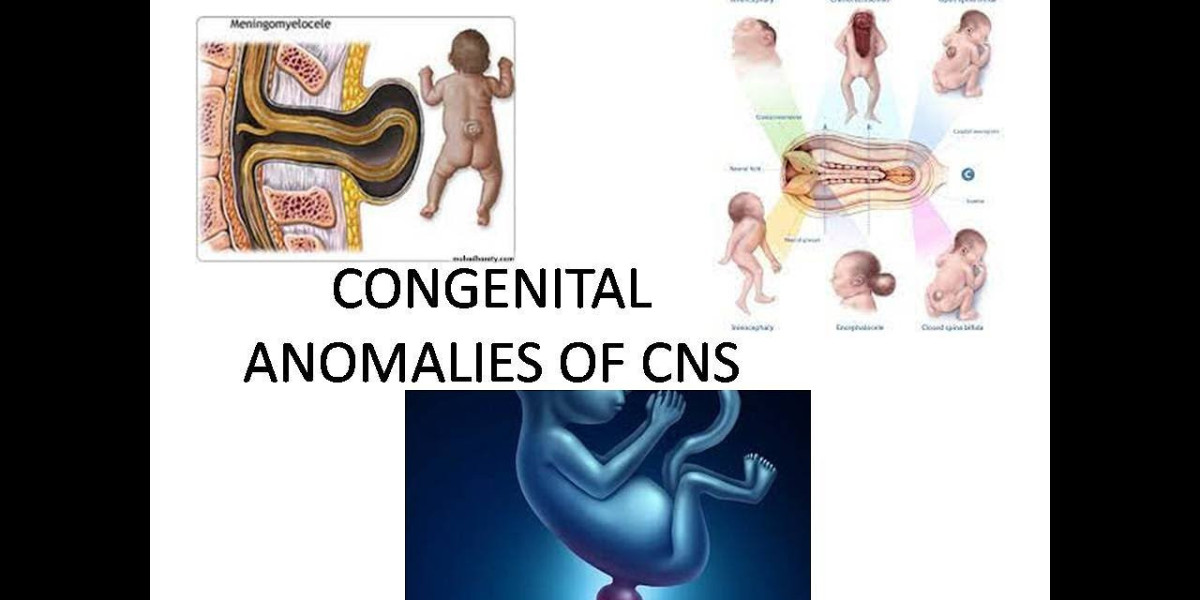
Across Riyadh’s healthcare institutions, the distribution of birth defects shows a consistent pattern regarding which organ systems are most frequently affected. Congenital heart defects (CHDs) consistently rank as the most prevalent category, requiring the most significant allocation of surgical and neonatal intensive care resources. These are followed in frequency by genitourinary anomalies—often involving conditions such as hydronephrosis—and central nervous system defects, including various forms of neural tube defects. Additionally, craniofacial conditions, such as cleft lip and palate, remain frequently encountered. The high frequency of these specific types of defects is influenced by a combination of factors, including the prevalence of consanguineous marriages, which significantly impacts the expression of recessive genetic disorders, alongside other recognized maternal health factors such as diabetes and nutritional status.
Influence of Genetic and Environmental Factors
The trends observed in tertiary care settings are deeply rooted in the unique demographic and social fabric of the city. High rates of consanguinity in the region remain one of the most statistically significant contributors to the prevalence of inherited congenital anomalies. Beyond genetic factors, the medical records in these hospitals often highlight the influence of maternal health indicators. Maternal age at conception, pre-existing health conditions like diabetes, and the uptake of prenatal care services all play critical roles in determining pregnancy outcomes. The data also suggests that maternal nutritional status, specifically the adequacy of folic acid intake, is a major modifiable factor in the mitigation of neural tube defects. Hospitals are increasingly focusing on these areas during prenatal consultations to help families understand the underlying causes and manage potential risks effectively.
Evolution of Diagnostic and Surgical Care
The trends in how these anomalies are managed within Riyadh’s hospitals show a clear shift toward multidisciplinary care models. Tertiary care centers have expanded their capacity to provide specialized, early-stage interventions, which has significantly improved survival rates for complex cases that were historically associated with higher mortality. The integration of specialized pediatric surgery, cardiology, and neonatal medicine allows for the seamless transition of care from the initial prenatal diagnosis to postnatal treatment. Furthermore, the standardization of clinical practice guidelines across these centers has ensured that diagnostic protocols—such as first-trimester screening and specialized genetic testing—are applied consistently, providing families with more reliable information and earlier access to necessary therapeutic options.
Challenges and Future Healthcare Objectives
Despite the strides made in diagnostics and surgical management, the ongoing burden of congenital anomalies presents several challenges for the healthcare system. One of the primary obstacles is the need for more comprehensive, population-wide registries that extend beyond individual hospital settings to provide a more accurate picture of birth defect prevalence across the entire city. Additionally, there is a recognized need to continue optimizing prenatal screening programs to ensure that every patient has equitable access to early diagnosis. As medical centers move forward, the emphasis is increasingly placed on proactive public health strategies, such as wider awareness of the benefits of pre-conception health and the potential for genetic counseling to assist couples in making informed family planning decisions.
Conclusion: Toward Improved Neonatal Outcomes
The trajectory of congenital anomaly management in Riyadh’s tertiary care hospitals is defined by a commitment to technological integration and specialized multidisciplinary treatment. While the prevalence rates remain high due to various genetic and demographic factors, the ability to identify and treat these conditions has never been more advanced. By continuing to analyze these hospital-based trends, the medical community can better tailor its interventions, focusing on the most prevalent defect types and refining the care pathways that lead to better surgical and developmental outcomes. As these tertiary centers continue to lead in pediatric surgical innovation, the collective focus remains on reducing the long-term impact of birth defects and ensuring that children born with these conditions receive the highest standard of care throughout their development.