
Frequently Asked Questions About Rhinoplasty in Riyadh
Rhinoplasty in Riyadh is one of the most commonly performed cosmetic and functional facial surgeries in Saudi Arabia. Many patients choose this procedure to improve nose shape, correct breathing issues, or enhance facial balance. As interest continues to grow, so do the questions people ask before undergoing surgery.
Rhinoplasty in Riyadh offers individuals the opportunity to enhance the appearance and function of their nose through personalized surgical treatment tailored to their facial features and goals.
This article covers the most frequently asked questions about rhinoplasty in Riyadh, including cost, recovery, safety, techniques, and expected results.
What Is Rhinoplasty?
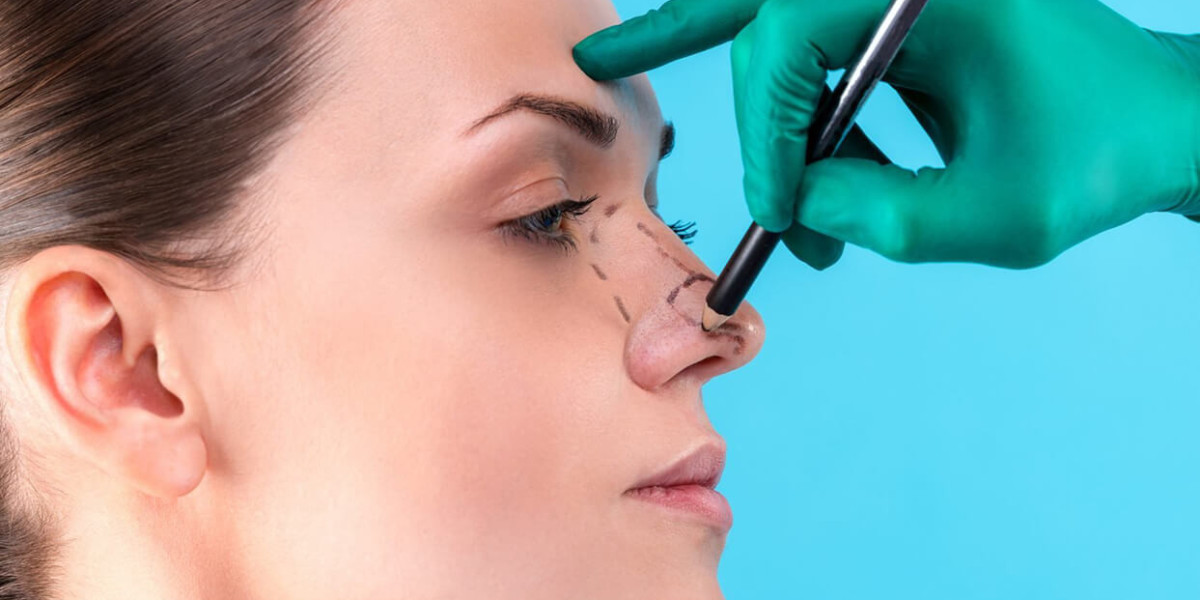
Rhinoplasty is a surgical procedure that reshapes the nose by modifying bone, cartilage, and soft tissue. It can be performed for:
- Cosmetic improvement of nose shape
- Correction of structural deformities
- Treatment of breathing problems such as a deviated septum
- Repair after injury or trauma
In Riyadh, both cosmetic rhinoplasty and functional rhinoplasty (septorhinoplasty) are widely performed depending on patient needs.
How Much Does Rhinoplasty Cost in Riyadh?
The cost of rhinoplasty in Riyadh varies depending on the complexity of the procedure, surgeon experience, and clinic facilities.
Based on recent clinical information, the average cost ranges from:
- Basic rhinoplasty: approximately 15,000–25,000 SAR
- More complex procedures: 25,000–40,000+ SAR
- Revision rhinoplasty: may exceed 40,000 SAR
- Non-surgical nose reshaping (fillers): lower cost but temporary results
The final price often depends on whether the surgery is open or closed and whether additional procedures like septoplasty are required.
Is Rhinoplasty Safe?
Yes, rhinoplasty is generally considered safe when performed by a qualified and experienced surgeon. Like all surgical procedures, it does carry some risks.
Possible risks include:
- Swelling and bruising
- Minor bleeding
- Infection
- Scarring (rare in closed technique)
- Breathing changes
- Unsatisfactory cosmetic results
However, serious complications are uncommon when proper surgical techniques and post-operative care are followed.
What Is the Difference Between Open and Closed Rhinoplasty?
There are two main surgical approaches used in Riyadh clinics:
Open Rhinoplasty
- Small external incision at the base of the nose
- Better visibility for complex reshaping
- Slightly longer recovery period
Closed Rhinoplasty
- Incisions made inside the nostrils
- No visible external scar
- Faster initial healing in many cases
Studies show that both techniques have similar satisfaction and complication rates when performed by skilled surgeons.
How Long Does Rhinoplasty Surgery Take?
The duration of rhinoplasty depends on the complexity of the case.
- Simple procedures: 1–2 hours
- Complex or revision cases: up to 3 hours or more
If combined with septoplasty (to improve breathing), surgery time may be slightly longer.
Most patients return home the same day after surgery.
What Is the Recovery Time?
Recovery after rhinoplasty happens in stages:
First Week
- Swelling and bruising are most noticeable
- A nasal splint is usually worn
- Rest is strongly recommended
Two Weeks
- Most bruising fades
- Patients can return to light work or daily activities
One to Three Months
- Swelling continues to reduce
- Nose begins to take a more refined shape
Final Results
- Full results may take 6 to 12 months or longer to fully appear
Is Rhinoplasty Painful?
Most patients report that rhinoplasty is not highly painful.
- Surgery is performed under anesthesia, so no pain is felt during the procedure
- After surgery, discomfort is usually mild to moderate
- Patients often describe it as pressure or congestion rather than sharp pain
Pain is typically managed effectively with prescribed medication.
Who Is a Good Candidate for Rhinoplasty?
You may be a suitable candidate if you:
- Are physically healthy
- Have realistic expectations
- Are unhappy with nose shape or symmetry
- Have breathing difficulties due to structural issues
- Have completed facial growth (usually after late teens)
Emotional readiness is also important, as results are long-term and should be carefully considered.
How Long Do Rhinoplasty Results Last?
Rhinoplasty results are generally permanent.
However:
- The nose continues to age naturally over time
- Minor changes in skin elasticity or cartilage may occur
- Overall structure remains stable for many years
Most patients enjoy long-lasting improvement in both appearance and function.
When Can I Return to Work and Exercise?
- Desk work: usually after 7–10 days
- Light exercise: after 3–4 weeks (with surgeon approval)
- Full exercise and sports: around 6 weeks or later
Contact sports should be avoided for longer periods to protect the nose from injury.
Can Rhinoplasty Be Combined With Other Procedures?
Yes, rhinoplasty is often combined with:
- Septoplasty (for breathing correction)
- Chin augmentation (for facial balance)
- Other facial cosmetic procedures
Combining procedures can improve overall facial harmony and reduce total recovery time compared to separate surgeries.
What Results Can I Expect?
Rhinoplasty in Riyadh is designed to enhance facial balance rather than create an artificial or “overdone” appearance.
Expected improvements include:
- More refined nasal shape
- Better facial symmetry
- Improved breathing (if functional correction is included)
- Natural-looking results tailored to facial structure
A successful outcome depends on surgeon expertise, patient anatomy, and realistic expectations.
Conclusion
Rhinoplasty in Riyadh is a highly advanced and widely performed procedure that offers both cosmetic and functional benefits. While patients often have many questions before surgery, understanding key aspects such as cost, safety, recovery, and expected results helps build confidence in the decision-making process.
With proper consultation and experienced surgical care, rhinoplasty can deliver long-lasting and natural-looking improvements that enhance both appearance and quality of life.












