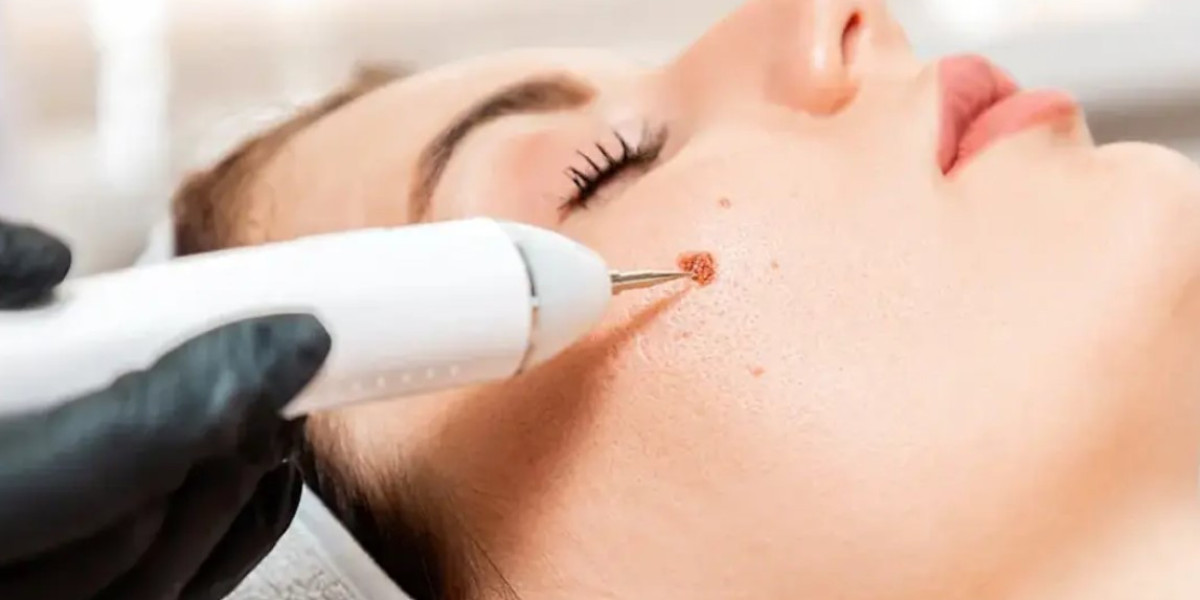

Technology Used in Modern Mole Removal Methods: Advanced Dermatology Explained
Modern mole removal has evolved significantly over the past few decades. What was once a purely surgical process involving cutting and stitches has now become a highly precise, technology-driven field of dermatology. Today, doctors use advanced energy-based devices, imaging systems, and minimally invasive tools to remove moles safely, accurately, and with better cosmetic results. Mole Removal in Riyadh is a safe and effective procedure for improving skin appearance and addressing unwanted or concerning moles.
This article explains the key technologies used in modern mole removal methods, how they work, and why they are preferred in today’s dermatological practice.
Why Technology Matters in Mole Removal
The goal of modern mole removal is not just to remove the lesion but also to:
- Minimize scarring
- Improve cosmetic outcomes
- Reduce recovery time
- Increase diagnostic accuracy
- Enhance patient safety
Advanced technology allows dermatologists to treat different types of moles with precision while preserving surrounding healthy skin.
1. Laser Technology in Mole Removal
Laser systems are among the most widely used technologies in cosmetic dermatology.
How laser technology works:
Laser devices emit concentrated beams of light that target melanin (pigment) or water within skin cells. This energy breaks down mole tissue without traditional cutting.
Common laser systems used:
CO2 Laser
The CO2 Laser is one of the most powerful tools in dermatology.
- Vaporizes tissue layer by layer
- Highly effective for raised moles
- Provides precise depth control
- Often used for resurfacing and minor surgical removal
Q-Switched Laser
The Q-Switched Laser is designed for pigment-based treatments.
- Breaks pigment into microscopic particles
- Ideal for flat, pigmented moles
- Minimizes damage to surrounding tissue
- Often used for cosmetic lesions
Erbium YAG Laser
The Erbium YAG Laser is known for precision.
- Removes thin layers of skin gently
- Produces less heat damage
- Reduces risk of scarring
- Suitable for sensitive areas like the face
2. Dermatoscopy: Diagnostic Imaging Technology
Before any mole is removed, evaluation is critical. One of the most important tools is dermatoscopy.
How it works:
A dermatoscope is a handheld device that magnifies the skin and uses polarized light to examine structures beneath the surface.
Benefits:
- Detects early signs of skin cancer
- Identifies pigment patterns
- Helps distinguish benign from suspicious moles
- Reduces unnecessary procedures
Dermatoscopy is essential in ensuring safe treatment decisions before removal.
3. Radiofrequency (RF) Technology
Radiofrequency technology uses high-frequency electromagnetic waves to remove or shrink mole tissue.
How it works:
RF devices generate heat through energy waves that precisely cut or coagulate skin tissue.
Benefits:
- High precision with minimal bleeding
- Faster healing compared to traditional surgery
- Reduced scarring risk
- Suitable for small raised moles
RF technology is widely used in modern cosmetic dermatology clinics.
4. Electrosurgery (Electrocautery Technology)
Electrosurgery uses controlled electric current to remove skin lesions.
How it works:
A fine electrode delivers heat energy that burns or cuts mole tissue layer by layer.
Benefits:
- Quick procedure time
- Effective for superficial moles
- Minimal bleeding due to coagulation
- Cost-effective compared to laser systems
It is commonly used for benign cosmetic mole removal.
5. Cryotherapy Technology
Cryotherapy uses extreme cold to destroy unwanted skin tissue.
How it works:
Liquid nitrogen or similar cooling agents freeze mole cells, causing them to die and naturally fall off.
Benefits:
- Simple and non-invasive
- No surgical cutting required
- Quick outpatient procedure
- Minimal anesthesia needed
Limitations:
- May require multiple sessions
- Not suitable for deep or suspicious moles
- Possible temporary skin discoloration
6. Digital Skin Mapping and AI-Assisted Analysis
Modern dermatology is increasingly using digital tools and artificial intelligence to improve diagnosis.
How it works:
High-resolution imaging systems capture detailed photographs of moles over time. Some systems use AI algorithms to analyze changes.
Benefits:
- Tracks mole changes over time
- Helps detect early warning signs
- Improves diagnostic accuracy
- Assists in long-term monitoring
This technology is especially useful for patients with multiple moles or high-risk skin profiles.
7. Surgical Technology and Precision Tools
Even traditional surgical excision has evolved with modern tools.
Advanced tools include:
- Micro-scalpels for precise cutting
- Fine suturing instruments for minimal scarring
- Sterile surgical environments with improved infection control
Benefits:
- Complete mole removal with margins
- Allows biopsy for diagnosis
- Suitable for deep or suspicious moles
While more invasive, surgical methods remain essential for medical cases.
8. Skin Imaging and High-Resolution Photography
High-quality imaging is used before and after treatment.
Purpose:
- Document mole appearance
- Track changes over time
- Evaluate treatment outcomes
- Support medical records
This technology ensures consistency and helps dermatologists make informed decisions.
9. Fractional Laser Technology for Skin Repair
After mole removal, skin recovery can be enhanced using fractional lasers.
How it works:
Fractional lasers create micro-injuries in the skin to stimulate collagen production and healing.
Benefits:
- Improves scar texture
- Reduces pigmentation irregularities
- Enhances overall skin smoothness
This technology is often used in post-treatment care rather than removal itself.
Advantages of Modern Mole Removal Technology
Modern technologies offer significant benefits compared to traditional methods:
- Greater precision and safety
- Less pain and discomfort
- Faster healing time
- Improved cosmetic outcomes
- Reduced risk of complications
- Better diagnostic accuracy
These advancements have made mole removal more accessible and effective than ever before.
Limitations of Technology-Based Treatments
Despite advancements, limitations still exist:
- Not all moles are suitable for non-invasive methods
- Some devices cannot provide tissue for biopsy
- Multiple sessions may be required
- Costs can be higher for advanced technologies
Proper evaluation remains essential before choosing any method.
Importance of Professional Evaluation
Technology alone is not enough. Dermatologists play a critical role in:
- Identifying mole type
- Choosing appropriate technology
- Ensuring safe removal
- Preventing misdiagnosis
Even the most advanced device must be used under expert supervision.
Conclusion
Modern mole removal techniques are powered by advanced technologies such as lasers, radiofrequency systems, cryotherapy, dermatoscopy, and digital imaging. These innovations have transformed dermatology by making procedures safer, faster, and more precise.