
Exercise and Physical Activity After a Breast Lift
Introduction
A breast lift (mastopexy) reshapes and repositions the breasts to create a firmer, more youthful appearance. While the surgery itself is important, the recovery phase plays an equally critical role in achieving long-lasting results. One of the most important parts of recovery is knowing when and how to safely resume exercise and physical activity after a breast lift. Breast lift surgery in Riyadh helps restore a firmer, more youthful breast shape while enhancing overall body proportions and confidence.
Returning to activity too soon can interfere with healing, increase swelling, or affect the final breast shape. On the other hand, waiting too long may slow down overall recovery and reduce fitness levels. The key is a gradual, well-timed return guided by your surgeon’s advice.
This guide explains when you can safely resume different types of physical activity, what exercises to avoid, and how to protect your results while staying active.
Why Exercise Restrictions Are Important After a Breast Lift
After surgery, the breast tissues, skin, and incisions need time to heal and stabilize.
Early exercise can:
- Increase swelling and bruising
- Place tension on healing incisions
- Delay scar healing
- Affect breast shape and symmetry
- Increase risk of complications
Because of this, physical activity is carefully limited in the early recovery stages to protect surgical results and ensure proper healing.
First Week After Surgery: Rest Only
The first 7 days are dedicated to complete rest and very light movement.
What You Can Do
- Short, slow walks inside the house
- Gentle movement to improve circulation
- Basic self-care activities
What You Must Avoid
- Any form of exercise
- Lifting arms above shoulder level
- Carrying heavy objects
- Bending, stretching, or straining
At this stage, the body is focusing on initial healing, so rest is essential.
Weeks 2–3: Light Daily Movement
As healing progresses, light activity becomes more comfortable.
Allowed Activities
- Gentle walking outdoors
- Light household tasks
- Short periods of standing and movement
Walking is especially encouraged because it helps:
- Improve blood circulation
- Reduce risk of blood clots
- Support overall recovery
Still Avoid
- Gym workouts
- Running or cardio training
- Upper body exercises
- Any chest or arm strain
Even though you may feel better, internal healing is still ongoing.
Weeks 4–6: Gradual Return to Light Exercise
This stage marks the beginning of more noticeable recovery.
What You May Start
With your surgeon’s approval:
- Longer walks
- Light stationary cycling
- Gentle stretching (lower body only)
- Light yoga (avoiding chest pressure)
Important Limitations
- No chest exercises
- No push-ups or weight training
- No high-impact cardio
- No heavy lifting
Breast tissues are still stabilizing, so protection is crucial.
Weeks 6–8: Moderate Activity Phase
By this stage, most patients experience significant healing.
Possible Activities
- Brisk walking
- Light jogging (if approved)
- Lower body strength training
- Low-resistance cardio workouts
Still Avoid
- Chest workouts (bench press, push-ups)
- Heavy weights
- High-intensity interval training (HIIT) involving upper body
- Activities that cause breast bouncing or strain
A supportive sports bra is essential during all workouts.
Weeks 8–12: Return to Normal Exercise
At this stage, many patients can return to most fitness routines.
Typically Allowed
- Gym workouts
- Moderate cardio
- Full-body strength training
- Yoga and pilates
- Light chest exercises (only if cleared by surgeon)
Key Focus
Even though activity is mostly resumed, caution is still important. Gradual progression helps avoid stress on healing tissues.
After 3 Months: Full Exercise Recovery
By 12 weeks, most patients can return to their full exercise routine.
You May Resume
- Running and high-impact cardio
- Weight lifting
- Full upper body workouts
- Sports and athletic activities
Important Considerations
- Always wear a high-support sports bra
- Monitor for discomfort or swelling
- Avoid sudden increases in intensity
Even though healing is advanced, tissues continue to mature internally for several months.
When Can You Exercise Chest Muscles?
Chest exercises require the longest restriction period because they directly affect breast tissue.
General Timeline
- Light chest movements: around 6–8 weeks (if approved)
- Moderate chest training: around 8–12 weeks
- Full chest workouts: after 3 months or more
Exercises like push-ups, bench press, and chest flys should only be reintroduced gradually under medical guidance.
Importance of Wearing a Sports Bra
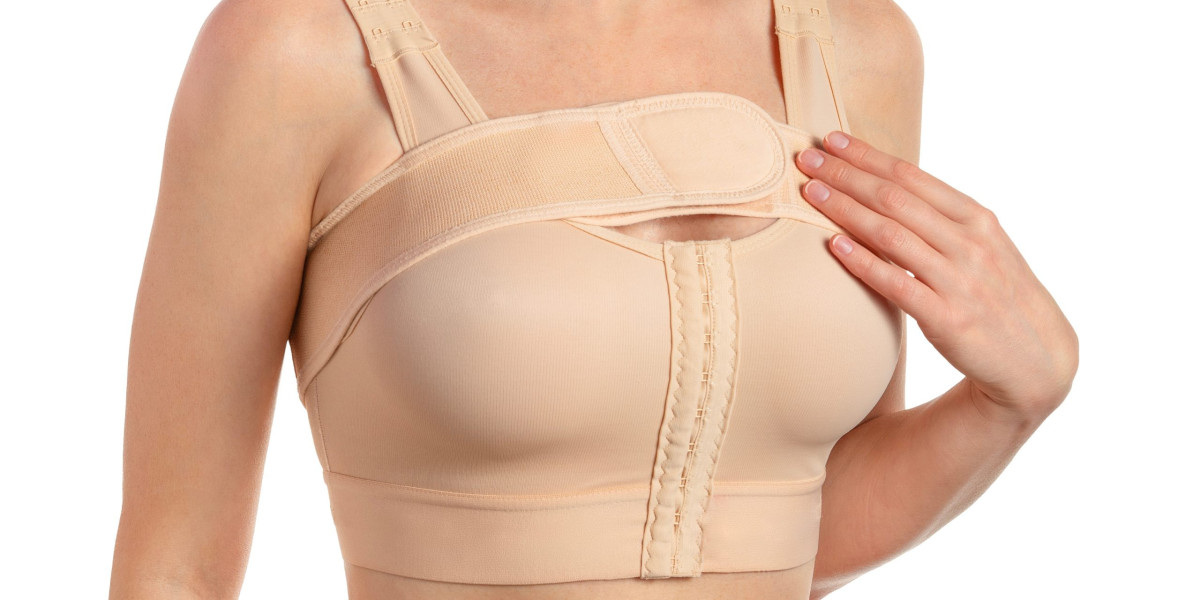
A supportive sports bra is essential when returning to exercise.
Benefits
- Reduces breast movement
- Protects healing tissues
- Prevents stretching of skin
- Maintains surgical results
- Improves comfort during activity
Choosing a high-impact, well-fitted sports bra can significantly improve long-term outcomes.
Exercises That Help Recovery Early On
Some gentle movements are beneficial during early recovery.
Safe Early Activities
- Slow walking
- Deep breathing exercises
- Light lower-body movement
These help:
- Improve circulation
- Reduce stiffness
- Support overall healing
Always avoid upper body strain during this stage.
Exercises to Avoid for a Longer Period
Certain activities should be avoided until full healing is confirmed.
High-Risk Exercises
- Push-ups
- Bench press
- Heavy weight lifting
- Jumping or bouncing exercises
- Intense HIIT workouts
- Contact sports
These can strain breast tissues and affect surgical results.
Signs You Are Exercising Too Soon or Too Hard
Pay attention to your body during recovery.
Warning Signs
- Increased swelling
- Breast pain or tightness
- Pulling sensation near incisions
- Redness or discomfort after workouts
If these occur, reduce activity and consult your surgeon.
Tips for Safe Return to Exercise
To protect your results and recover safely:
- Start slowly and increase intensity gradually
- Always wear proper support
- Avoid chest strain in early stages
- Stay hydrated
- Follow your surgeon’s instructions
- Listen to your body
Consistency and patience are key for long-term success.
How Exercise Affects Long-Term Breast Lift Results
Once fully healed, regular exercise can help maintain results by:
- Supporting stable body weight
- Improving posture
- Strengthening chest and back muscles
- Enhancing overall body tone
However, excessive or unsupported high-impact activity without a sports bra may contribute to long-term sagging.