
Seasonal Timing Considerations for Tattoo Removal in Riyadh Climate
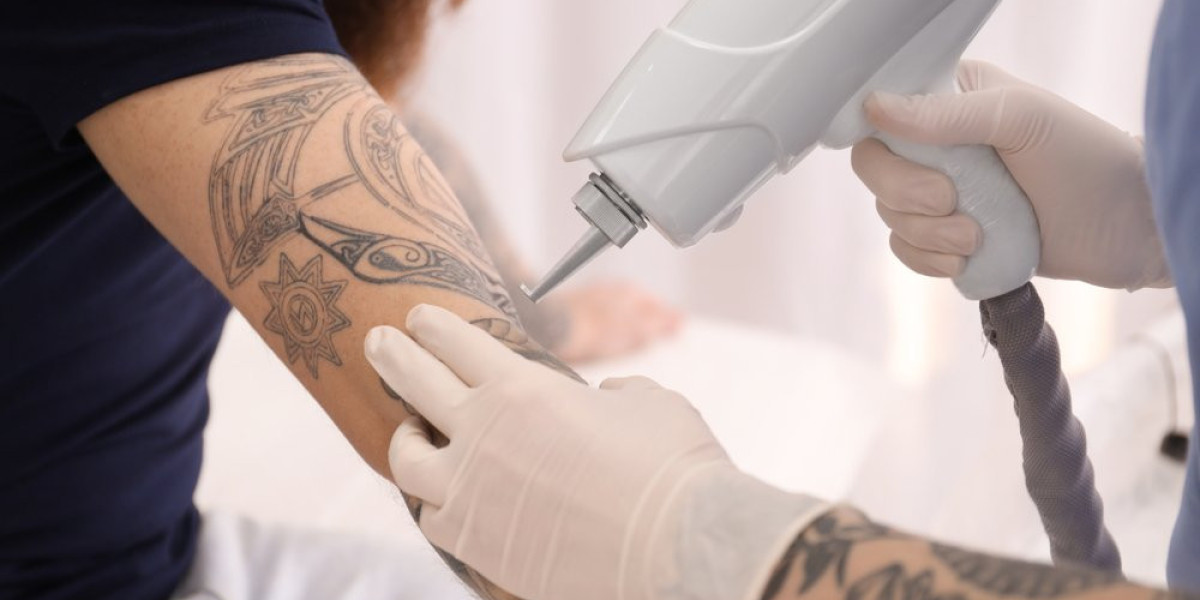
Tattoo removal is a gradual process that requires multiple laser sessions, proper healing time, and strict aftercare. In a city like Riyadh, where the climate is extremely hot and sunny for most of the year, seasonal timing becomes an important factor that can influence healing quality, comfort, and overall results. Tattoo removal in Riyadh is a growing cosmetic procedure chosen by many people who want to fade or completely remove unwanted tattoos safely over time.
While tattoo removal can be done year-round, choosing the right season and understanding climate effects can make the process safer and more effective.
Understanding Riyadh’s Climate and Its Impact
Riyadh has a desert climate, which means:
- Extremely hot summers (often exceeding 40°C)
- Strong sunlight and high UV exposure
- Very dry air
- Mild winters with more comfortable temperatures
These conditions directly affect skin healing, sun sensitivity, and post-laser care.
Since laser-treated skin is temporarily fragile and sensitive, environmental conditions play a major role in recovery.
Why Seasonal Timing Matters in Tattoo Removal
After each laser session, the skin becomes:
- More sensitive to sunlight
- Prone to pigmentation changes
- Vulnerable to irritation and dryness
In a hot and sunny environment like Riyadh, these risks increase significantly during certain times of the year.
Choosing the right season helps:
- Reduce complications
- Improve healing speed
- Minimize pigmentation risks
- Enhance overall results
Best Season for Tattoo Removal in Riyadh
1. Winter (Best Overall Season)
Winter in Riyadh (roughly November to February) is considered the ideal time for tattoo removal.
Why winter is best:
- Lower UV exposure compared to summer
- Cooler temperatures reduce sweating and irritation
- Easier to cover treated skin with clothing
- Less risk of sunburn or tanning
Benefits:
- Faster and safer healing
- Lower risk of hyperpigmentation
- More comfortable recovery
- Better adherence to aftercare instructions
This season allows patients to undergo treatment with minimal environmental stress on the skin.
2. Early Spring (Good but Requires Care)
Early spring (March to April) can still be suitable for tattoo removal.
Pros:
- Moderate temperatures
- Manageable sun exposure (compared to summer)
- Comfortable healing conditions
Cons:
- UV levels start increasing
- Sun protection becomes more critical
Patients must begin strict sun protection routines during this period.
Challenging Season for Tattoo Removal
Summer (Most Difficult Season)
Summer in Riyadh (May to September) presents the highest challenges for tattoo removal patients.
Key issues:
- Extremely high temperatures
- Intense UV radiation
- Increased sweating
- Greater risk of skin irritation
1. High UV Exposure Risk
Laser-treated skin is highly sensitive to sunlight. In summer:
- UV rays are strongest
- Risk of hyperpigmentation increases
- Even short exposure can affect healing
2. Excessive Sweating
Heat causes sweating, which can:
- Irritate healing skin
- Increase risk of infection
- Slow down recovery
- Disrupt scab formation
3. Difficulty in Aftercare
Aftercare becomes more challenging because:
- Covering treated areas feels uncomfortable
- Outdoor exposure is harder to avoid
- Sunscreen must be applied more frequently
4. Slower Healing Outcomes
Due to environmental stress, summer treatments may result in:
- Longer recovery time between sessions
- Higher chance of pigmentation issues
- Increased skin sensitivity
Autumn (Transition Season)
Autumn (October) is a moderately good time for starting or continuing tattoo removal.
Advantages:
- Temperatures begin to drop
- UV levels decrease gradually
- Skin is less stressed compared to summer
However, sun protection is still necessary due to lingering heat and brightness.
How Sun Exposure Influences Seasonal Planning
Regardless of season, UV exposure remains the biggest concern in Riyadh.
Laser-treated skin:
- Absorbs sunlight more easily
- Produces excess melanin when exposed
- Heals unevenly if unprotected
That is why even in winter, sunscreen and covering treated areas remain essential.
Clothing and Seasonal Comfort
Seasonal timing also affects how easily patients can protect their skin:
Winter advantages:
- Wearing long sleeves and pants is comfortable
- Natural sun protection is easier
- Less skin exposure overall
Summer challenges:
- Lightweight clothing exposes more skin
- Heat makes covering treated areas uncomfortable
- Outdoor protection becomes more difficult
Hydration and Climate Effects
Riyadh’s dry air affects skin hydration levels, which are critical for healing.
In summer:
- Dehydration risk increases
- Skin becomes more sensitive
- Healing may slow down
In winter:
- Lower dehydration risk
- Skin stays more stable
- Better recovery conditions
Proper hydration is important throughout all seasons.
Ideal Treatment Strategy in Riyadh
For best results, many specialists recommend:
- Starting treatment in autumn or winter
- Continuing sessions through cooler months
- Avoiding peak summer sessions when possible
- Planning longer gaps if summer treatment is unavoidable
This approach reduces risks and improves overall fading results.