
Introduction
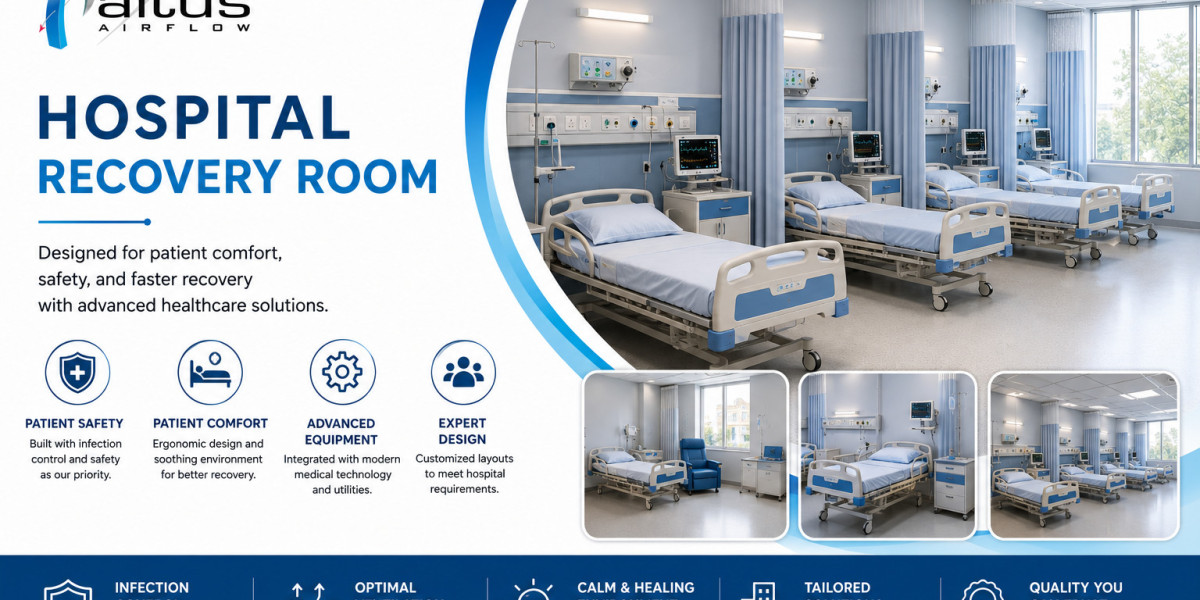
A Hospital Recovery Room is a specialized area where patients receive close observation immediately after surgery or medical procedures. The purpose of the recovery room is to monitor patients as they recover from anesthesia, assess their overall condition, and identify any early complications. While not every patient requires long-term hospital care, anyone undergoing anesthesia or a surgical procedure typically spends time in the recovery room before moving to another unit or being discharged.
Patients Recovering from General Anesthesia
Most patients who receive general anesthesia require observation.
Healthcare professionals monitor consciousness, breathing, heart function, and recovery from the effects of anesthesia to ensure patients regain normal body functions safely.
Careful monitoring helps prevent post-anesthesia complications.
Patients After Major Surgery
Individuals who undergo major surgical procedures usually require extended observation.
Operations involving the abdomen, chest, joints, spine, or other complex procedures often require healthcare teams to closely monitor recovery before transferring patients to a hospital ward.
Continuous assessment supports safe recovery.
Patients After Minor Surgical Procedures
Even patients undergoing minor surgery may need recovery room care.
Short outpatient procedures performed under sedation or anesthesia often require temporary monitoring until vital signs stabilize and the patient is alert enough for discharge.
Observation helps ensure patient safety.
Patients Receiving Regional or Spinal Anesthesia
Regional anesthesia can temporarily affect movement and sensation.
Healthcare professionals monitor patients until the effects of spinal or epidural anesthesia gradually wear off and normal function begins to return.
Recovery assessments help prevent complications.
Patients with Chronic Medical Conditions
Individuals with existing health conditions may require additional monitoring.
Patients with heart disease, respiratory disorders, diabetes, or other chronic illnesses are often observed more carefully after surgery to ensure stable recovery.
Individualized care supports better outcomes.
Elderly Patients
Older adults often require additional observation after surgery.
Age-related changes may slow recovery from anesthesia and increase the likelihood of complications, making careful monitoring particularly important.
Healthcare teams assess recovery based on each patient's condition.
Pediatric Patients
Children recovering from surgery also require specialized observation.
Healthcare professionals monitor breathing, pain, hydration, and recovery from anesthesia while ensuring the child remains comfortable and medically stable.
Pediatric care requires age-appropriate monitoring.
Patients with Post-Operative Pain
Pain management is an important part of recovery room care.
Patients experiencing discomfort receive regular pain assessments and appropriate treatment while healthcare professionals monitor the effectiveness of medications.
Proper pain control supports recovery.
Patients Requiring Short-Term Observation
Some patients remain in the recovery room simply to confirm medical stability.
Healthcare teams observe vital signs, oxygen levels, surgical sites, and overall condition before determining whether transfer or discharge is appropriate.
Observation reduces the risk of unnoticed complications.
Patients at Risk of Immediate Complications
Certain patients require closer monitoring because of increased surgical risk.
Healthcare professionals watch for bleeding, breathing difficulties, allergic reactions, nausea, irregular heart rhythms, or other early post-operative complications that may require prompt treatment.
Early intervention improves patient safety.
Conclusion
Recovery room care is essential for patients recovering from anesthesia, major or minor surgery, regional anesthesia, and procedures requiring post-operative observation. Through continuous monitoring, pain management, and careful assessment, healthcare professionals ensure patients recover safely before they are transferred to another hospital unit or discharged home.
FAQs
1. Who needs care in a Hospital Recovery Room?
A Hospital Recovery Room provides care for patients recovering from anesthesia, major or minor surgery, regional anesthesia, and procedures requiring close post-operative observation.
2. Why are patients monitored after surgery?
Monitoring helps detect complications early and ensures safe recovery from anesthesia and the surgical procedure.
3. Do patients having minor surgery also need a recovery room?
Yes, many patients undergoing minor procedures are monitored until they are medically stable and ready for discharge.
4. Why do elderly patients require additional observation?
Older adults may recover more slowly from anesthesia and have a higher risk of post-operative complications.
5. What is monitored in a recovery room?
Healthcare professionals monitor vital signs, breathing, heart function, pain levels, oxygen saturation, surgical sites, and overall patient recovery.
Read Our Previous Blog----------->What monitoring equipment is provided by ICU manufacturers?