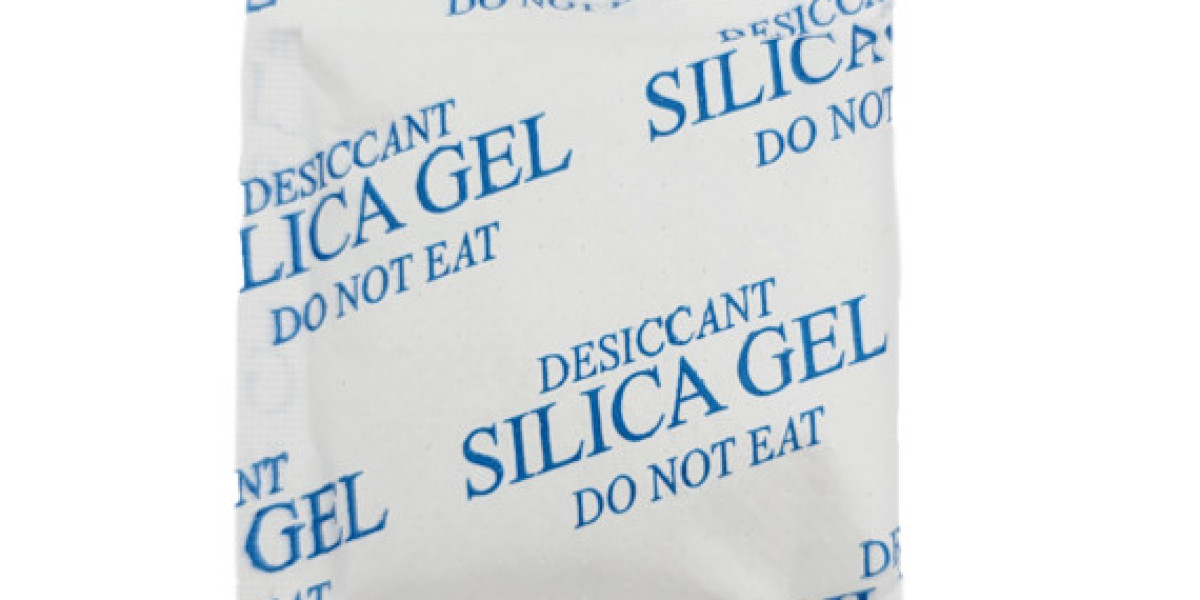

In industries where moisture control is critical, even small amounts of humidity can cause damage, spoilage, or product failure. One of the most widely used and effective moisture-absorbing materials is the silica gel desiccant. Known for its high absorption capacity and versatility, silica gel is used across pharmaceuticals, electronics, food packaging, leather goods, shipping, and industrial storage.
This comprehensive guide explains everything about silica gel desiccants, including how they work, types, applications, benefits, safety considerations, and how to choose the right product for your needs.
What Is Silica Gel Desiccant?
A silica gel desiccant is a moisture-absorbing material made from silicon dioxide. Despite its name, silica gel is not a gel in a liquid form but a porous, solid substance with a high surface area that allows it to absorb and trap moisture from the surrounding environment.
It works through adsorption, where water vapor sticks to the surface of the silica particles rather than being absorbed like a sponge.
Silica gel is widely used to protect products from humidity damage during storage and transportation.
Why Silica Gel Desiccant Is Important
Moisture is one of the most damaging environmental factors for many products. It can cause corrosion, mold growth, product degradation, and packaging damage.
A silica gel desiccant helps prevent:
Rust and corrosion in metal products
Mold and mildew in packaged goods
Electrical failure in electronics
Spoilage in pharmaceuticals and food products
Damage to leather, textiles, and paper products
Because of its reliability, silica gel is one of the most widely used desiccants globally.
How Silica Gel Desiccant Works
Silica gel works through a physical adsorption process.
genui{"algebra_functions_learning_block":{"type_id":"EXPONENTIAL_DECAY","content":"y = e^{-kt}","locale_override":"en-US"}}
This concept helps explain how moisture levels decrease over time as silica gel adsorbs water vapor from the surrounding air. As exposure continues, the rate of absorption slows until the material reaches saturation.
Silica gel contains millions of tiny pores that attract and hold water molecules, effectively lowering humidity inside sealed environments.
Types of Silica Gel Desiccants
Different forms of silica gel are designed for specific applications.
White Silica Gel
This is the standard, non-indicating form used in general moisture control applications.
Blue Silica Gel
Contains cobalt chloride and changes color when saturated, indicating moisture levels. It is often used in industrial applications.
Orange Silica Gel
A safer, non-toxic alternative to blue gel, changing color from orange to green when saturated.
Beaded Silica Gel
Comes in small beads, commonly used in packaging and industrial drying applications.
A high-quality silica gel desiccant is selected based on visibility needs, safety requirements, and application type.
Key Features of Silica Gel Desiccant
Silica gel is widely preferred due to its strong performance and stability.
High Moisture Absorption
Can absorb up to 30–40% of its weight in moisture.
Chemical Stability
Non-reactive with most substances.
Reusable Nature
Can be regenerated through heating in many cases.
Odorless and Non-Toxic Options
Safe for use in food and pharmaceutical packaging (depending on grade).
A reliable silica gel desiccant ensures long-lasting moisture protection.
Applications of Silica Gel Desiccant
Silica gel is used across a wide range of industries.
Electronics Industry
Protects circuit boards, semiconductors, and devices from moisture damage.
Pharmaceutical Industry
Maintains stability of medicines and supplements.
Food Packaging
Prevents spoilage and extends shelf life.
Leather and Textile Industry
Protects against mold, mildew, and humidity damage.
Shipping and Logistics
Used in containers to prevent moisture damage during transport.
A silica gel desiccant is essential wherever humidity control is required.
Benefits of Using Silica Gel Desiccant
Silica gel offers multiple advantages over other drying agents.
High Efficiency
Rapid moisture absorption in enclosed environments.
Long Shelf Life
Remains effective for extended periods when stored properly.
Safe for Multiple Industries
Food-grade options available for sensitive applications.
Cost-Effective Solution
Affordable moisture control compared to active drying systems.
A quality silica gel desiccant ensures reliable product protection at low cost.
Silica Gel in Packaging Industry
Packaging is one of the largest application areas for silica gel.
It is commonly placed inside:
Shoe boxes
Electronic product packaging
Medicine bottles
Food containers
Leather goods packaging
A silica gel desiccant helps maintain product integrity during storage and shipping.
Safety and Handling of Silica Gel
Silica gel is generally non-toxic, but proper handling is still important.
It should not be consumed, even though it is often labeled as "do not eat" in packaging.
In industrial environments, dust exposure should be minimized.
A properly labeled silica gel desiccant ensures safe usage across industries.
Indicator vs Non-Indicator Silica Gel
There are two main functional categories.
Non-Indicator Silica Gel
Does not change color and is used where moisture level monitoring is not required.
Indicator Silica Gel
Changes color when saturated, allowing visual monitoring of moisture levels.
A silica gel desiccant with indicator properties is useful in controlled environments.
Cost Factors of Silica Gel Desiccant
Several factors influence pricing.
Type of Gel
Indicator gels are more expensive than standard white silica gel.
Packaging Size
Bulk quantities reduce cost per unit.
Application Grade
Food-grade and pharmaceutical-grade silica gel costs more due to compliance standards.
A reliable silica gel desiccant supplier offers flexible pricing based on application needs.
Storage and Regeneration
Silica gel can be reused in many cases by removing absorbed moisture.
Regeneration Process
Heating silica gel at controlled temperatures removes trapped moisture.
Storage Conditions
It should be stored in airtight containers to maintain effectiveness.
Proper handling ensures a silica gel desiccant remains effective for longer periods.
Environmental Considerations
Silica gel is environmentally stable and non-toxic, making it a safer alternative compared to chemical desiccants.
It does not release harmful substances during use.
A modern silica gel desiccant is designed with sustainability and reusability in mind.
Innovations in Silica Gel Technology
The desiccant industry continues to evolve.
Recent innovations include:
High-capacity moisture absorption gels
Eco-friendly indicator dyes
Improved packaging integration
Faster adsorption materials
Modern silica gel desiccant solutions are more efficient and application-specific than ever before.
Future Trends in Silica Gel Desiccant Use
The demand for moisture control solutions is growing globally.
Future trends include:
Increased use in electronics and pharmaceuticals
Smart humidity indicator systems
Eco-friendly and recyclable packaging integration
Higher-performance adsorption materials
The silica gel desiccant industry will continue expanding as global supply chains rely more on moisture protection.
FAQs About Silica Gel Desiccant
What is silica gel desiccant used for?
It is used to absorb moisture and protect products from humidity damage.
Is silica gel safe?
Yes, it is generally non-toxic but should not be ingested.
Can silica gel be reused?
Yes, it can be regenerated by heating to remove moisture.
What industries use silica gel desiccant?
Electronics, pharmaceuticals, food packaging, textiles, and shipping industries.
What happens when silica gel is full?
It becomes saturated and stops absorbing moisture effectively.
How does silica gel absorb moisture?
It works through adsorption, trapping water molecules in its porous structure.
Conclusion
The silica gel desiccant is one of the most effective and widely used solutions for moisture control across multiple industries. Its ability to protect products from humidity damage makes it essential in packaging, shipping, electronics, pharmaceuticals, and food storage.
With ongoing advancements in material technology and sustainability, silica gel continues to be a reliable, cost-effective, and efficient solution for preserving product quality in moisture-sensitive environments.