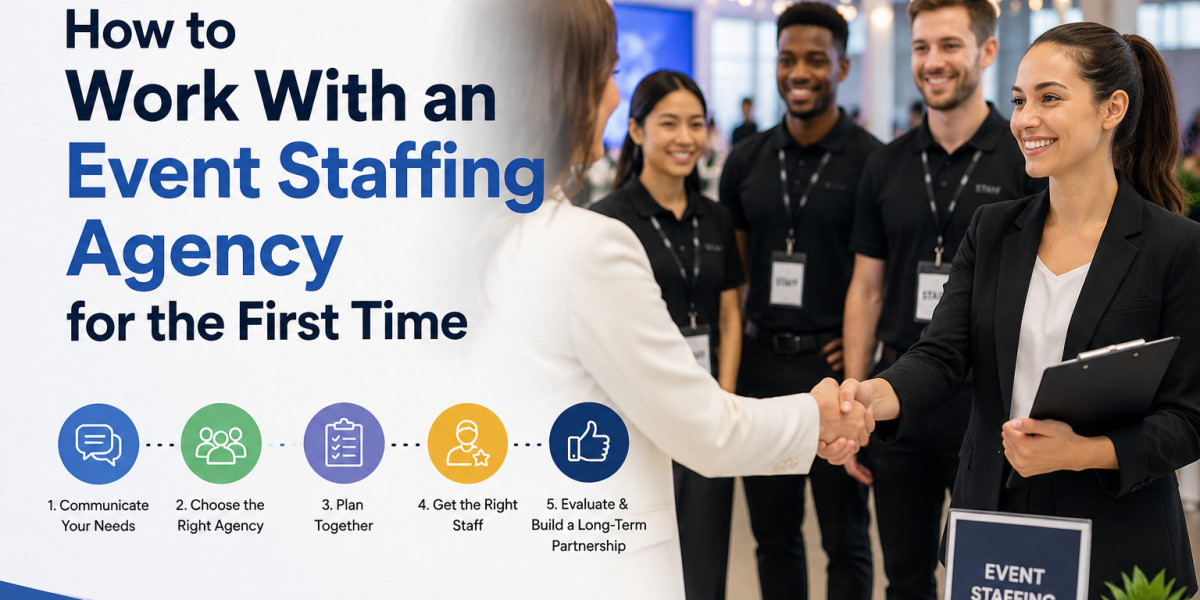

The learning curve no one warns you about
Hiring an Event Staffing Agency for the first time can feel like navigating an entirely separate industry, because in many ways it is. The terminology, the booking process, the staffing ratios, the union considerations, the tipping norms, and the last-minute logistics all operate according to conventions that are not obvious if you have never done it before.
This guide walks through what the process actually looks like from first contact through the night of the event, with a focus on what to ask, what to prepare, and what to expect at each stage.
Step 1: The initial inquiry
When you first reach out to a staffing agency, be prepared to share the following: event date, venue and location, start time and expected end time, estimated guest count, event format (seated dinner, cocktail reception, outdoor activation, etc.), and any specific uniform or brand requirements. The more detail you provide upfront, the more accurate and useful the agency's initial staffing recommendation will be.
Step 2: Understanding the quote
A staffing quote will typically break out the number and type of staff recommended, the hourly rate for each role, the estimated hours, and any additional costs such as overtime rates, travel surcharges, or minimum booking requirements. Ask specifically whether gratuity is included or expected separately, and confirm whether the agency handles staff payroll directly or passes that through to the client.
Step 3: Confirming and signing
Most reputable agencies require a signed contract and a deposit to confirm a booking. Read the cancellation and change policy carefully. Events often grow or shift in the planning process, and it is worth understanding what happens if your guest count jumps significantly in the final two weeks.
Step 4: Preparing your staff brief
Your agency will ask for an event brief, or should. This document should include: the event address and parking or entry instructions for staff, setup call time and guest arrival time, the event timeline with key transitions, dress code requirements, dietary or allergy information if staff will be serving food, and any VIP guests who require special attention. The more useful your brief, the better your staff will perform.
Step 5: Day-of communication
Know the name and direct cell number of your event captain before the day of the event. If anything changes on the day, from a gate access issue to a delayed caterer, your captain is the point of contact. Establish a fifteen-minute check-in before doors open to confirm that everyone is in position and aware of any final changes.
What to look for in the agency you choose
First-time clients often underestimate how much the agency relationship matters, not just the staffing itself. An agency that asks smart questions, is responsive in the planning process, and assigns a dedicated coordinator who stays engaged through the event date makes an enormous practical difference. Amerivents offers exactly this kind of model for New York events: dedicated coordination, W2-insured staff, and a booking process designed to work whether you are planning your first event or your fiftieth.
The first time is always the steepest part of the learning curve. Going in with this framework will make the process significantly smoother.
Frequently Asked Questions
Q: How far in advance should I contact an event staffing agency for the first time?
A: For a first engagement, reaching out six to eight weeks before the event is ideal. This gives you time to get comfortable with the agency's process, ask follow-up questions, and make adjustments before the booking is locked in. Shorter lead times are possible, but they leave less room to course-correct if something does not feel right.
Q: What is the difference between a staffing agency and a temp agency?
A: Temp agencies typically supply general administrative or warehouse labor. Event staffing agencies specialize in hospitality roles, bartenders, servers, brand ambassadors, and event captains, and their rosters are built around people with event-specific training and experience. For any client-facing event, an event staffing specialist will almost always produce better results than a general temp agency.
Q: Do I need to feed the event staff during a long event?
A: Yes, this is standard. For any shift over five hours, providing a staff meal or break period is both a professional expectation and a practical one. Hungry or fatigued staff perform noticeably worse in the second half of an event. Your agency can advise on typical staff meal arrangements.
Q: Who do I tip, and how much?
A: Gratuity for event staff typically runs between fifteen and twenty percent of the total labor bill, distributed by the agency captain to the team at the end of the event. Confirm with your agency whether gratuity is included in the quote or expected separately, and whether they prefer cash or have another preferred method.
Q: What should I do if a staff member's performance is unsatisfactory during the event?
A: Speak directly to your event captain, not to the staff member individually. The captain is responsible for managing the team and should be your first point of contact for any performance issue during the event. After the event, raise any concerns with your agency coordinator so they can address it for future bookings.
Q: Can I request the same staff for future events?
A: Most agencies accommodate this request when possible. If specific staff members performed particularly well at your event, note their names and tell your coordinator. Agencies that run a W2 staffing model tend to be better positioned to honor these requests consistently because the same people are working for the agency on an ongoing basis.