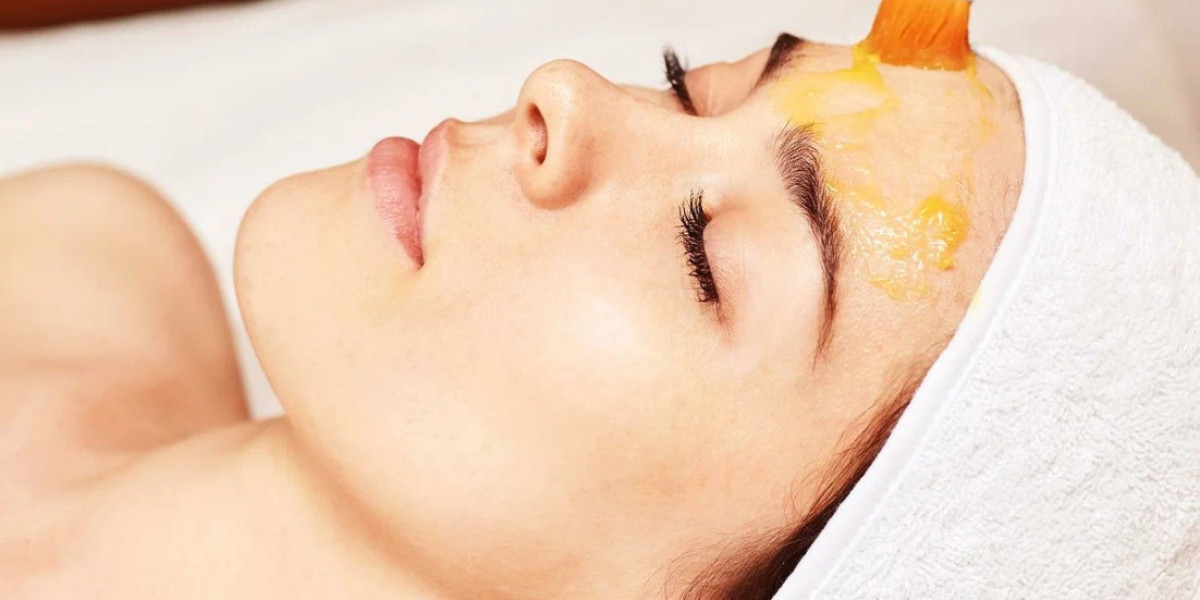

Understanding Superficial, Medium, and Deep Chemical Peels
Introduction
Chemical peels are one of the most effective dermatological treatments for improving skin texture, reducing acne scars, fading pigmentation, and rejuvenating the complexion. They work by applying controlled chemical solutions to exfoliate damaged skin layers and stimulate the growth of new, healthier skin. Chemical Peels in Riyadh offer an effective solution for improving skin texture, reducing blemishes, and revealing a smoother, more radiant complexion with personalized treatment options.
However, not all chemical peels are the same. They are classified into three main types based on how deeply they penetrate the skin: superficial, medium, and deep chemical peels. Each type has different strengths, benefits, recovery times, and suitability depending on skin concerns.
Understanding these differences is essential before choosing a treatment, especially if you want safe and effective results tailored to your skin type and goals.
What Are Chemical Peels?
A chemical peel is a skin-resurfacing treatment that uses chemical solutions to remove dead or damaged skin layers. This process encourages cell regeneration and boosts collagen production, resulting in smoother, clearer, and more youthful-looking skin.
The depth of the peel determines how much of the skin is treated and how dramatic the results will be.
Superficial Chemical Peels
What Are They?
Superficial chemical peels, also known as light peels or “lunchtime peels,” target only the outermost layer of the skin (the epidermis). They are the mildest form of chemical peel and are often recommended for beginners.
Common Ingredients
- Glycolic acid
- Lactic acid
- Salicylic acid
- Mandelic acid
Best For
- Mild acne
- Oily skin
- Dull complexion
- Uneven skin tone
- Minor pigmentation
- Early signs of aging
Benefits
- Brightens the skin instantly
- Improves mild texture issues
- Clears clogged pores
- Minimal downtime
- Safe for regular maintenance
Recovery
Recovery is very quick:
- Mild redness for a few hours
- Light flaking for 1–3 days (in some cases)
- No major downtime
Ideal Candidates
Superficial peels are ideal for individuals looking for gentle exfoliation and maintenance of healthy skin rather than dramatic correction.
Medium Chemical Peels
What Are They?
Medium chemical peels penetrate deeper into the skin, reaching both the epidermis and the upper dermis. They provide more noticeable results compared to superficial peels.
Common Ingredients
- Trichloroacetic acid (TCA)
- Glycolic acid (higher concentrations)
- Combination acid solutions
Best For
- Moderate acne scars
- Sun damage
- Fine lines and wrinkles
- Uneven skin tone
- Hyperpigmentation
- Rough skin texture
Benefits
- More dramatic improvement in skin appearance
- Reduction in visible pigmentation
- Smoother skin texture
- Boost in collagen production
- Long-lasting results
Recovery
Recovery is moderate:
- Redness for a few days
- Noticeable peeling for 5–7 days
- Temporary skin sensitivity
During healing, the skin may appear darker before peeling away, revealing fresher skin underneath.
Ideal Candidates
Medium peels are suitable for individuals with moderate skin concerns who want stronger results without undergoing invasive procedures.
Deep Chemical Peels
What Are They?
Deep chemical peels penetrate the lower layers of the dermis and provide the most intensive level of skin resurfacing. They are medical-grade treatments performed under strict supervision.
Common Ingredients
- Phenol-based solutions
- High-strength TCA formulations
Best For
- Deep wrinkles
- Severe sun damage
- Advanced acne scars
- Significant pigmentation issues
- Pronounced signs of aging
Benefits
- Dramatic skin transformation
- Long-lasting results
- Significant reduction in wrinkles
- Improved skin firmness and texture
- Strong collagen remodeling
Recovery
Deep peels require extended recovery:
- Redness and swelling for several days
- Intense peeling over 1–2 weeks
- Full healing may take several weeks
Strict aftercare is essential to avoid complications and ensure proper healing.
Ideal Candidates
Deep chemical peels are recommended for individuals with advanced skin concerns who need significant correction and are prepared for longer downtime.
Key Differences Between Superficial, Medium, and Deep Peels
1. Depth of Penetration
- Superficial: Outer skin layer only
- Medium: Upper dermis
- Deep: Lower dermis
2. Strength of Treatment
- Superficial: Mild
- Medium: Moderate
- Deep: Strong and intensive
3. Downtime
- Superficial: Minimal or none
- Medium: 5–7 days
- Deep: 2 weeks or more
4. Results
- Superficial: Subtle glow and improvement
- Medium: Noticeable correction
- Deep: Dramatic transformation
5. Frequency
- Superficial: Can be repeated regularly
- Medium: Spaced treatments required
- Deep: Rare, usually one-time or occasional treatment
Choosing the Right Chemical Peel
The best chemical peel depends on several factors:
- Skin type
- Severity of skin concerns
- Desired results
- Tolerance for downtime
- Medical history
A professional consultation is essential to determine the safest and most effective option for your skin.
Safety and Considerations
While chemical peels are generally safe when performed by professionals, it is important to:
- Follow pre-treatment guidelines
- Avoid sun exposure before and after treatment
- Use proper skincare during recovery
- Avoid picking or peeling the skin manually
Deeper peels require more careful monitoring and aftercare compared to superficial treatments.
Can Different Peels Be Combined?
Yes, dermatologists often create customized treatment plans that combine different types of peels over time.
For example:
- Superficial peels for maintenance
- Medium peels for correction
- Deep treatments for advanced concerns
However, they are never performed together in a single session and must be spaced appropriately.
Final Thoughts
Superficial, medium, and deep chemical peels each serve a unique purpose in skin rejuvenation. While superficial peels are ideal for gentle maintenance and glow enhancement, medium peels offer more noticeable improvements for pigmentation and texture issues. Deep peels provide the most dramatic results but require careful consideration and longer recovery time.
Choosing the right type depends on your skin condition, goals, and lifestyle. With professional guidance, chemical peels can be tailored to safely and effectively improve skin health at every level, helping you achieve a clearer, smoother, and more radiant complexion over time.