
The nickname hides the second drug
Most public conversations about “Female Viagra” stop at flibanserin.
That makes the story too narrow.
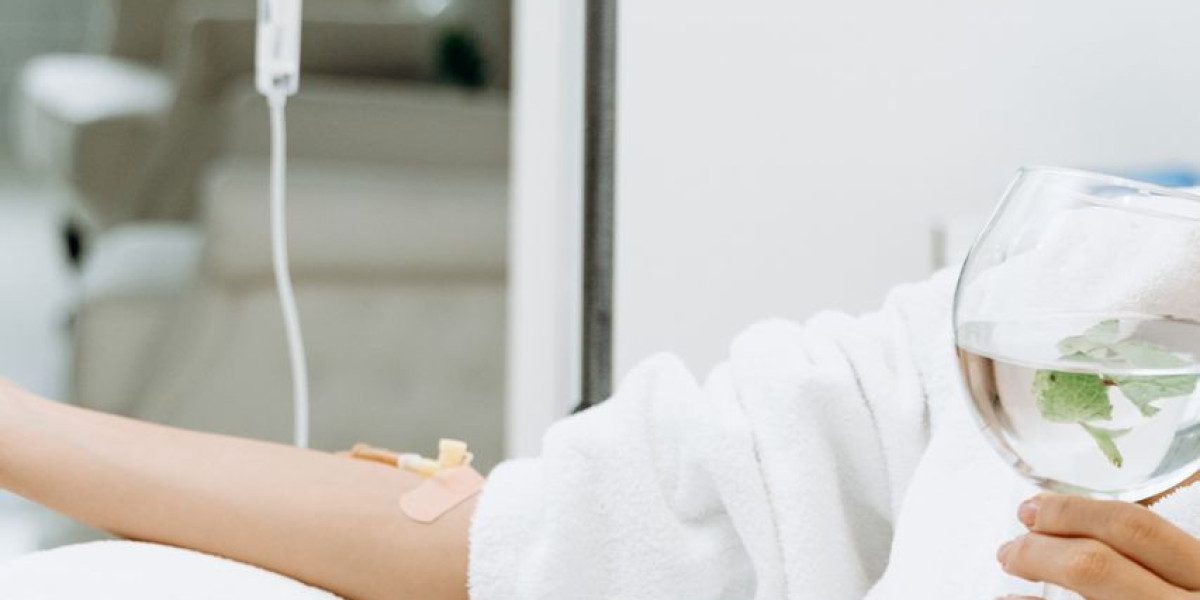
There is another FDA-approved treatment for acquired, generalized hypoactive sexual desire disorder in premenopausal women: bremelanotide, sold as Vyleesi. It is not a daily pill. It is an injection used before anticipated sexual activity.
That difference matters because it breaks the lazy idea that women’s sexual desire has one pharmaceutical answer.
Flibanserin and bremelanotide are both linked to HSDD, but they represent very different treatment philosophies.
One is daily. One is situational.
Flibanserin is taken every day. It belongs to the world of ongoing brain chemistry and bedtime dosing.
Bremelanotide is used when sexual activity is anticipated. Its label describes it as a melanocortin receptor agonist, while also stating that the mechanism by which it improves HSDD is unknown.
That uncertainty is important.
The drug is not simply “desire in a syringe.” It is a medicine acting on central pathways that are still not fully reducible to a simple switch.
A search such as Female Viagra vs Vyleesi injection is useful because it moves the conversation away from one misleading nickname and toward the real clinical landscape.
The injection tells a cultural story
There is something revealing about bremelanotide’s format.
A man’s best-known sexual drug became a tablet.
One female desire drug became a daily bedtime pill.
Another became an injection before sex.
That alone shows how different the treatment problem is.
Female sexual desire is not being treated like a purely mechanical event. It is being approached through brain-linked pathways, distress scores, timing, side-effect tradeoffs, and patient selection.
The medicine is not only treating a symptom. It is exposing how difficult that symptom is to measure.
The safety tradeoff is different
Bremelanotide has its own practical warnings. FDA labeling says it can transiently increase blood pressure and reduce heart rate after each dose. It is not recommended for patients with uncontrolled hypertension or known cardiovascular disease.
Nausea is also a major issue. Reviews describe nausea as one of the most common adverse effects with bremelanotide.
So the question is not which drug sounds more modern.
The question is which risk profile fits the patient, if either treatment is appropriate at all.
The better way to read “Female Viagra”
“Female Viagra” is a phrase built for headlines. It makes female sexual desire sound as if it has a male-drug equivalent waiting on the shelf.
The existence of bremelanotide proves the opposite.
There is no single female Viagra story. There are different drugs, different mechanisms, different dosing patterns, and different safety limits. Desire is being treated through central biology, not only through blood flow or instant performance.
That makes the science less simple, but more honest.
Disclaimer
This article is for informational and educational purposes only. It is not medical advice, diagnosis, or treatment. Flibanserin, bremelanotide, or any medication for sexual desire should be used only under the guidance of a qualified healthcare professional.
References
- FDA-approved Vyleesi prescribing information, including melanocortin receptor activity, unknown exact mechanism, and cardiovascular warnings.
- Edinoff AN, et al. Bremelanotide for Treatment of Female Hypoactive Sexual Desire.
- Review of flibanserin and bremelanotide as FDA-approved treatments for HSDD.
- Drug and Therapeutics Bulletin review comparing bremelanotide and flibanserin for low sexual desire in women.