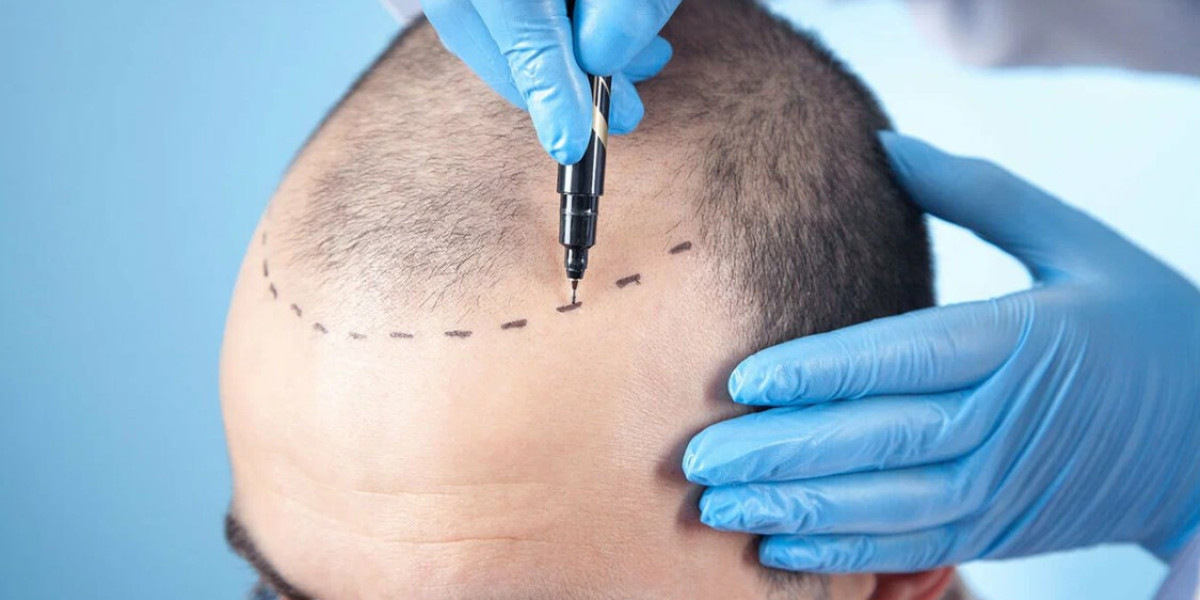

Use of Medication Before and After Hair Transplantation
Medication plays an important role in the success of a hair transplant. While the surgical procedure relocates healthy hair follicles, medicines help prepare the scalp, improve graft survival, reduce complications, and maintain long-term results. Both pre-operative and post-operative medications are commonly used, but they must always be taken under a surgeon’s supervision. Hair transplant in Buraydah is becoming an increasingly popular option for people seeking a long-term solution to hair loss and improved confidence.
This guide explains the typical medications used before and after a hair transplant and how they support healing and hair growth.
Why Medication Is Important in Hair Transplantation
Hair transplant surgery is not only about implantation—it also involves healing, inflammation control, and long-term hair maintenance.
Medications help:
- Reduce infection risk
- Minimize swelling and pain
- Improve blood circulation to grafts
- Support faster healing
- Slow future hair loss in non-transplanted areas
Medications Used Before Hair Transplant
1. Anti-Androgen or Hair Loss Control Medications
One of the most commonly used pre-treatment drugs is finasteride (for men), sometimes combined with topical treatments like minoxidil.
Purpose:
- Stabilize ongoing hair loss
- Protect existing hair
- Improve long-term planning for transplant
Why it matters:
If hair loss is still progressing rapidly, surgery alone will not stop future thinning around transplanted areas.
2. Minoxidil (Topical or Oral in Some Cases)
Purpose:
- Stimulates blood flow to hair follicles
- Strengthens weak hair
- May improve donor and recipient area density
Important note:
Doctors often stop minoxidil a few days before surgery to avoid irritation or excessive bleeding risk.
3. Antibiotics (Pre-Surgery Prophylaxis)
Some surgeons prescribe antibiotics before the procedure.
Purpose:
- Reduce risk of bacterial infection during or after surgery
- Maintain sterile surgical conditions
4. Anti-Inflammatory or Steroid Medications
In selected cases, mild steroids may be given before surgery.
Purpose:
- Reduce risk of swelling
- Prepare the body’s inflammatory response
5. Blood Thinners (Managed Carefully)
Patients using blood-thinning medications may be advised to stop or adjust dosage.
Examples:
- Aspirin (in some cases)
- Other anticoagulants (under medical guidance only)
Purpose:
- Reduce excessive bleeding during surgery
⚠️ Never stop prescribed blood thinners without medical approval.
Medications Used After Hair Transplant
Post-operative medication is crucial for healing and graft survival.
1. Antibiotics
Purpose:
- Prevent infection in donor and recipient areas
- Protect newly implanted grafts
Duration:
Usually prescribed for 3–7 days after surgery.
2. Pain Relievers
Purpose:
- Control mild pain or discomfort
- Reduce tightness in donor area
Common use:
Pain is usually mild and short-term.
3. Anti-Inflammatory Medications / Steroids
Purpose:
- Reduce swelling on forehead and around eyes
- Control post-surgical inflammation
Typical timeline:
Most swelling resolves within the first week.
4. Antihistamines
Purpose:
- Reduce itching during healing phase
- Improve comfort while scabs form and fall
Itching is a normal part of recovery, especially after 7–14 days.
5. Finasteride (Long-Term Use)
Purpose:
- Prevent further hair loss in non-transplanted areas
- Maintain overall hair density
Key point:
It does not affect transplanted hair directly but helps preserve existing natural hair.
6. Minoxidil (Restart After Healing)
Purpose:
- Stimulates early regrowth
- Improves thickness of new hair
When to restart:
Usually after 2–4 weeks, depending on surgeon advice.
7. Saline Sprays or Scalp Solutions
Purpose:
- Keep grafts hydrated
- Reduce dryness and crust formation
- Support early healing
These are especially useful in the first week.
Medication Timeline After Hair Transplant
Day 0–3
- Antibiotics
- Pain relievers
- Anti-inflammatory medications
Day 4–10
- Antibiotics (if prescribed)
- Antihistamines for itching
- Gentle scalp care products
Weeks 2–4
- Possible restart of minoxidil
- Continued finasteride (if prescribed)
- Scalp healing continues
Month 1 and Beyond
- Long-term hair loss prevention medications (if needed)
- Nutritional supplements (if deficiency exists)
Benefits of Medication in Hair Transplant Success
Proper medication use improves:
- Graft survival rate
- Healing speed
- Comfort during recovery
- Long-term hair density
- Prevention of future hair loss
Without medication, recovery may still occur, but results are often less stable or slower.
Risks of Improper Medication Use
Self-medication or incorrect use can lead to:
- Excessive bleeding
- Infection risk
- Poor graft survival
- Delayed healing
- Unwanted side effects
Always follow medical guidance strictly.
Natural Alternatives vs Medical Treatment
Some patients consider natural remedies, but they have limitations:
Natural support may include:
- Balanced diet
- Vitamins (iron, zinc, biotin)
- Proper hydration
However:
- They cannot replace prescribed medications
- They do not stop genetic hair loss on their own
Conclusion
Medication before and after a hair transplant is a key part of achieving successful and long-lasting results. Pre-operative drugs help stabilize hair loss and prepare the scalp, while post-operative medications support healing, reduce complications, and maintain hair density.
When used correctly under medical supervision, these medications significantly improve graft survival and overall hair restoration outcomes. A well-managed combination of surgery, medication, and lifestyle care provides the best long-term results for patients undergoing hair transplantation.












