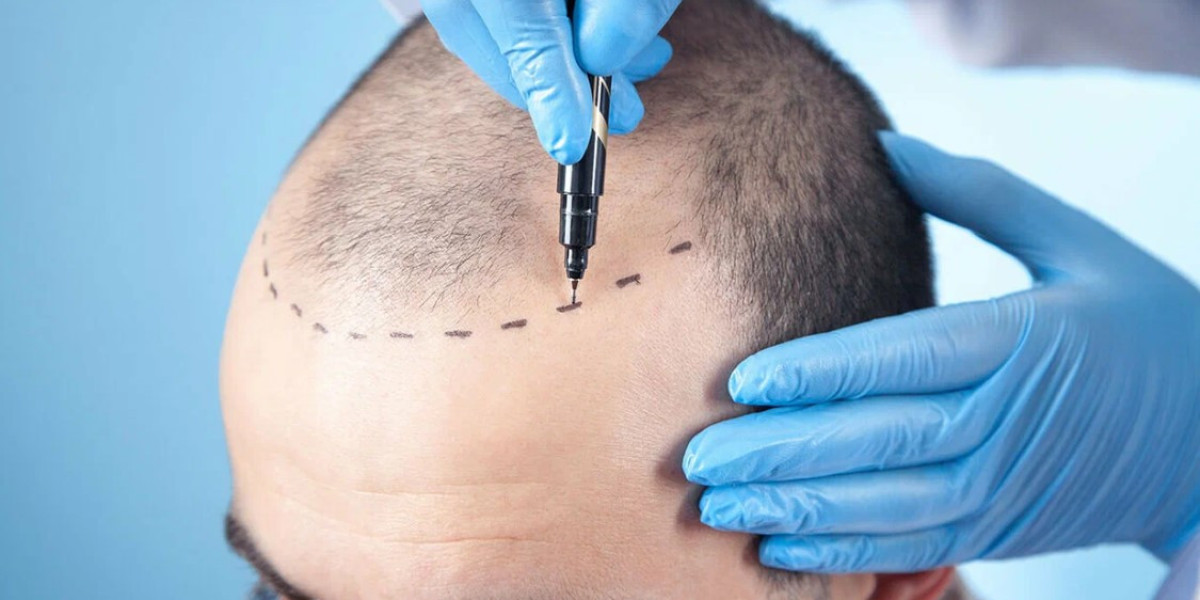

Hair Transplant vs Non-Surgical Hair Restoration Methods
Hair loss can be managed through two broad approaches: surgical hair transplantation and non-surgical hair restoration methods. Both aim to improve appearance and confidence, but they work in very different ways. A hair transplant physically relocates hair follicles, while non-surgical methods focus on slowing hair loss, stimulating growth, or creating the appearance of fuller hair without surgery. Understanding the differences helps in choosing the most suitable option based on the stage of hair loss, expectations, and long-term goals. Hair transplant in dammam is becoming an increasingly popular solution for people looking to restore natural hair growth and improve their appearance.
How Hair Transplant Works
A hair transplant is a surgical procedure where healthy hair follicles are taken from a donor area, usually the back or sides of the scalp, and implanted into areas affected by thinning or baldness. These transplanted follicles retain their genetic resistance to hair loss and continue to grow permanently in their new location.
The main advantage of this approach is permanence. Once the follicles successfully grow, they behave like natural hair for life. The results are gradual, with visible growth starting a few months after the procedure and full results appearing over a year.
However, a hair transplant depends heavily on donor hair availability and requires careful planning. It also involves a recovery period and temporary shedding before results become visible.
How Non-Surgical Hair Restoration Methods Work
Non-surgical hair restoration methods include a wide range of treatments that do not involve moving hair follicles. Instead, they aim to slow down hair loss, strengthen existing hair, or create the appearance of greater density.
These methods can include topical applications, oral medications, low-level light therapy, scalp treatments, and cosmetic solutions that improve the look of thinning hair. Some approaches work by stimulating weakened follicles, while others aim to prevent further miniaturization of hair.
Unlike a transplant, these methods do not permanently replace lost follicles. Their effectiveness often depends on continuous use and early intervention.
Key Difference: Permanent vs Ongoing Treatment
The most important difference between the two approaches is permanence. A hair transplant provides a long-term solution because it moves genetically resistant follicles into thinning areas. Once these follicles grow, they do not depend on ongoing treatment to survive.
Non-surgical methods, on the other hand, usually require continuous maintenance. If treatment is stopped, hair loss may resume, and any improvements may gradually reverse.
This makes hair transplant a more definitive solution, while non-surgical options are often considered management or maintenance strategies.
Effectiveness in Different Stages of Hair Loss
Hair transplant is generally more suitable for moderate to advanced hair loss where there are clearly defined bald areas. It works best when there is enough donor hair available to cover these regions.
Non-surgical methods are often more effective in early stages of hair thinning. When follicles are still active but weakening, treatments can help slow progression and sometimes improve thickness. In advanced baldness, however, their ability to restore visible coverage is limited.
Speed of Visible Results
Non-surgical treatments may show gradual improvement over several months, but results are often subtle and depend on consistent use. Some methods may take a long time to show noticeable change, and results can vary widely between individuals.
Hair transplant results also take time, but the improvement is usually more visible once growth begins. After the initial shedding phase, new hair starts to appear within a few months, with clearer density improvements over the course of a year.
Natural Appearance and Aesthetic Outcome
A well-performed hair transplant can produce a very natural appearance because it uses real hair follicles placed in a natural growth pattern. The hair can be styled, cut, and treated like normal hair once fully grown.
Non-surgical methods may improve appearance but do not physically restore lost follicles. They often rely on thickening existing hair or improving coverage illusion, which may not fully recreate the density of natural hair in bald areas.
Invasiveness and Recovery
Hair transplant is a surgical procedure, so it involves minor invasiveness, healing time, and post-operative care. There is temporary discomfort, swelling, and a recovery period where the scalp must be protected.
Non-surgical methods are generally non-invasive. They do not require downtime, and daily life can continue without interruption. This makes them more convenient for individuals who prefer to avoid surgery.
Long-Term Maintenance Requirements
Hair transplant requires minimal long-term maintenance once healing is complete. Transplanted hair continues to grow naturally without ongoing treatment.
Non-surgical methods often require continuous application or repeated treatment cycles. Stopping treatment may lead to reversal of benefits, making long-term commitment essential for maintaining results.
Cost Considerations
Hair transplant involves a higher upfront cost because it is a surgical procedure involving graft extraction, implantation, and specialized planning. However, it is usually a one-time investment or may require only occasional follow-up sessions.
Non-surgical treatments often have lower initial costs but can accumulate over time due to ongoing use. Over the long term, continuous treatments may become more expensive than a single transplant procedure.
Suitability and Personal Factors
Hair transplant is more suitable for individuals with stable hair loss patterns and sufficient donor hair. It is often chosen by those seeking a long-term and visible restoration of bald areas.
Non-surgical methods are suitable for early hair thinning, prevention of further loss, or individuals who are not ready for surgery. They can also be used alongside transplants to maintain existing hair and slow future thinning.
Limitations of Both Approaches
Hair transplant is limited by donor hair availability and cannot fully restore original youthful density in all cases. It also requires patience for results to develop.
Non-surgical methods are limited in their ability to restore completely bald areas and often depend on long-term use. Their effectiveness can vary significantly between individuals.
Conclusion
Hair transplant and non-surgical hair restoration methods serve different purposes in treating hair loss. A hair transplant offers a permanent, surgical solution by relocating healthy follicles, making it suitable for moderate to advanced baldness. Non-surgical methods focus on slowing hair loss and improving existing hair, making them more suitable for early stages or maintenance.