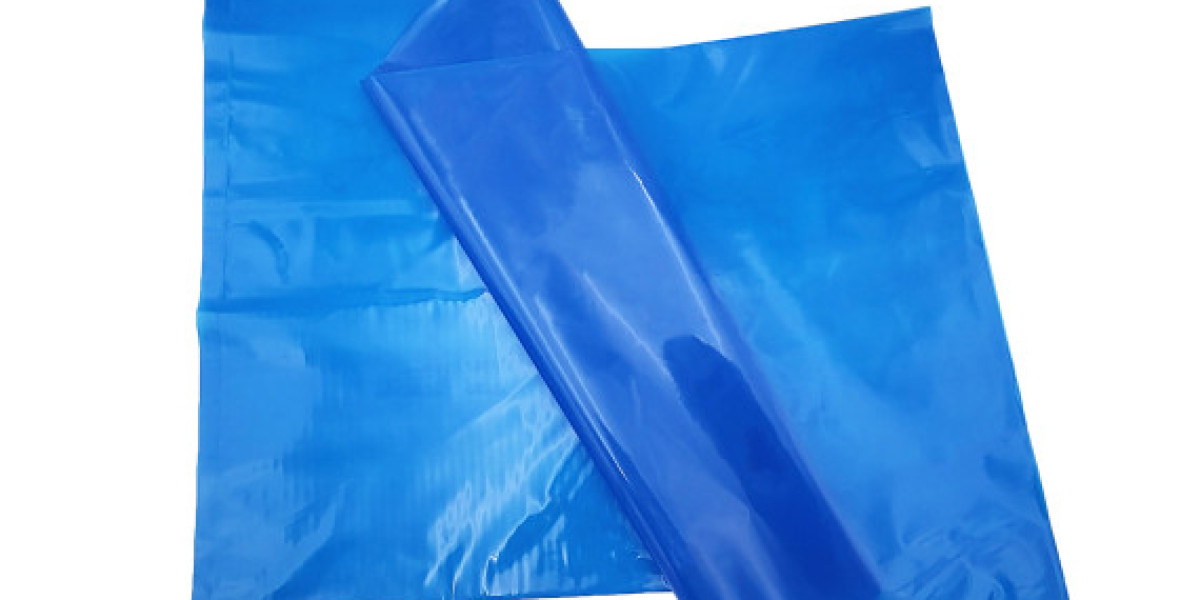

LDPE plastic bags are one of the most widely used packaging solutions across the world due to their flexibility, durability, and cost-effectiveness. Made from Low-Density Polyethylene (LDPE), these bags are commonly used in retail, food packaging, agriculture, healthcare, and industrial applications. Their lightweight structure and strong resistance to moisture make them an essential packaging material in modern supply chains. As global demand for efficient and sustainable packaging grows, LDPE plastic bags continue to play a major role in both commercial and household usage. This article explores everything about LDPE plastic bags, including their properties, uses, advantages, manufacturing process, environmental impact, and future trends.
What Are LDPE Plastic Bags?
LDPE plastic bags are packaging bags made from Low-Density Polyethylene, a thermoplastic polymer known for its softness, flexibility, and transparency. Unlike high-density plastics, LDPE has a more flexible molecular structure, making it ideal for producing thin, stretchable, and durable bags.
These bags are commonly used for carrying groceries, packaging food items, protecting industrial goods, and storing products in retail environments. Their ability to resist moisture and protect contents from dust makes them highly practical for everyday use.
LDPE plastic bags are also recyclable in many regions, although proper recycling systems are required to manage them effectively.
Properties of LDPE Plastic Bags
LDPE plastic bags are known for a unique combination of physical and chemical properties that make them highly versatile.
They are lightweight, which reduces transportation costs and makes handling easier. Despite being lightweight, they offer strong tensile strength, allowing them to carry moderate loads without tearing easily.
LDPE bags are highly flexible and stretchable, which prevents breakage under pressure. They also provide excellent moisture resistance, making them ideal for food packaging and storage.
Their transparency allows users to easily identify contents, which is useful in retail and inventory management. Additionally, LDPE is resistant to many chemicals, making it suitable for industrial applications.
Common Uses of LDPE Plastic Bags
LDPE plastic bags are used in a wide range of industries due to their versatility and affordability.
In retail, they are commonly used as shopping bags, product packaging, and garment covers. Grocery stores and supermarkets rely heavily on LDPE bags for packaging fresh produce, bakery items, and general goods.
In the food industry, LDPE bags are used for storing frozen foods, snacks, and perishable items due to their moisture-resistant properties.
In agriculture, these bags are used for seed storage, fertilizer packaging, and crop protection materials.
In healthcare and pharmaceuticals, LDPE bags are used for sterile packaging, medical waste disposal, and protective coverings.
Industrial sectors use LDPE bags for packaging chemicals, hardware components, and manufacturing materials.
Manufacturing Process of LDPE Plastic Bags
The production of LDPE plastic bags involves several stages, starting from raw material processing to final bag formation.
First, ethylene gas is polymerized under high pressure to produce LDPE resin. This resin is then melted and formed into thin plastic films using a process called extrusion.
The molten LDPE is shaped into a tube or flat sheet, which is then cooled and stretched to achieve the desired thickness and strength.
After cooling, the plastic film is cut and sealed into bags using automated machinery. Depending on requirements, bags can be customized in different sizes, thicknesses, and designs.
Finally, quality control checks are performed to ensure durability, sealing strength, and uniformity before packaging and distribution.
Advantages of LDPE Plastic Bags
LDPE plastic bags offer several advantages that make them popular across industries.
One of the biggest advantages is cost-effectiveness. They are inexpensive to produce, making them ideal for bulk usage in retail and industrial sectors.
Their flexibility allows them to handle different shapes and sizes of products without tearing easily.
They provide excellent protection against moisture, dust, and contamination, ensuring product safety.
LDPE bags are lightweight, which helps reduce transportation costs and carbon emissions during shipping.
They are also easy to print on, allowing businesses to add branding, logos, and product information.
LDPE vs Other Plastic Materials
LDPE is often compared with other plastic types such as HDPE (High-Density Polyethylene) and polypropylene.
Compared to HDPE, LDPE is softer and more flexible, while HDPE is stronger and more rigid. This makes LDPE more suitable for packaging and wrapping applications.
Compared to polypropylene, LDPE offers better flexibility and moisture resistance but slightly lower heat resistance.
Each material has its own advantages, but LDPE remains the preferred choice for applications requiring flexibility, transparency, and lightweight packaging.
Environmental Impact of LDPE Plastic Bags
The environmental impact of LDPE plastic bags is a major concern globally. Since they are petroleum-based products, they do not decompose quickly in natural environments.
Improper disposal can lead to pollution in landfills, oceans, and ecosystems. However, LDPE is technically recyclable, which helps reduce its environmental footprint when properly managed.
Many countries are implementing recycling programs and encouraging the use of reusable alternatives to reduce plastic waste.
Manufacturers are also developing biodegradable LDPE variants and promoting eco-friendly production methods to address environmental challenges.
Recycling and Sustainability of LDPE Bags
Recycling LDPE plastic bags involves collecting, cleaning, and processing them into reusable plastic pellets. These pellets can then be used to manufacture new plastic products such as trash bags, piping, and construction materials.
However, recycling rates vary across regions due to limited infrastructure and consumer awareness.
To improve sustainability, businesses are adopting reusable packaging systems and encouraging consumers to return used plastic bags for recycling.
Innovation in biodegradable additives and bio-based plastics is also helping reduce the long-term environmental impact of LDPE products.
Challenges in LDPE Plastic Bag Industry
Despite their advantages, LDPE plastic bags face several challenges.
Environmental regulations are becoming stricter, leading to bans or restrictions in some regions.
Plastic waste management remains a major issue due to low recycling rates in many countries.
Price fluctuations in raw materials can affect production costs and market stability.
There is also increasing competition from eco-friendly alternatives such as paper bags and reusable fabric bags.
Manufacturers must adapt to changing regulations and consumer preferences to remain competitive.
Future Trends of LDPE Plastic Bags
The future of LDPE plastic bags is evolving toward sustainability and innovation.
Biodegradable LDPE materials are expected to become more common as environmental concerns grow.
Advanced recycling technologies will improve recovery rates and reduce waste.
Smart packaging solutions with labeling and tracking features may also emerge in industrial applications.
Companies are focusing on lightweight and eco-friendly designs to reduce environmental impact while maintaining performance.
Despite challenges, LDPE plastic bags will continue to play an important role in global packaging systems.
How to Choose the Right LDPE Plastic Bags
Choosing the right LDPE plastic bags depends on application, strength requirements, and environmental considerations.
For retail use, lightweight and printed LDPE bags are ideal for branding and customer convenience.
For industrial use, thicker and stronger LDPE bags are recommended for heavy-duty packaging.
Food-grade LDPE bags must meet safety standards to ensure they are safe for direct food contact.
Businesses should also consider recyclability and sustainability when selecting LDPE products.
Working with reliable suppliers ensures consistent quality and compliance with industry standards.
Conclusion
LDPE plastic bags remain one of the most widely used packaging materials due to their flexibility, affordability, and versatility. From retail and food packaging to industrial and agricultural applications, they serve a critical role in modern supply chains. While environmental concerns remain a challenge, advancements in recycling and biodegradable materials are helping improve their sustainability. As industries continue to evolve, LDPE plastic bags will remain an essential part of global packaging solutions, balancing performance, cost, and environmental responsibility.












