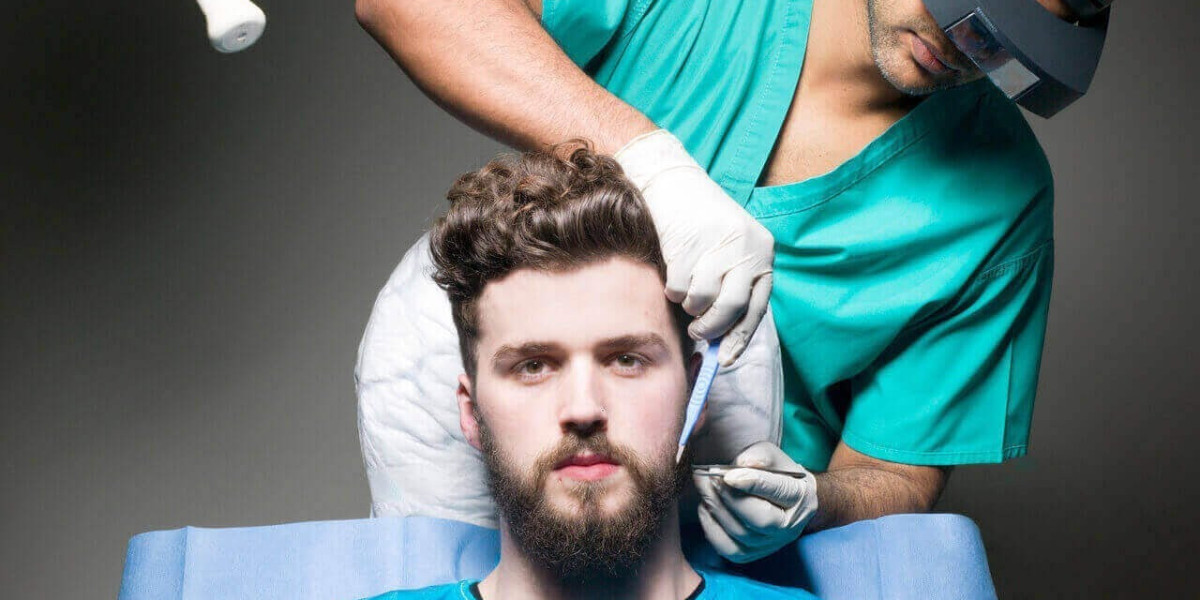

Beard Hair Transplant Expectations vs Reality
Introduction
A beard hair transplant is often seen as a quick fix for patchy or thin facial hair, especially with the rising popularity of full, well-defined beards. Social media images and marketing before-and-after results can make the procedure look instant and effortless. However, the actual process is more gradual and medically structured.
If you’re considering a beard hair transplant in Riyadh, understanding the procedure, benefits, recovery process, and expected results is essential before making your decision.
Like any cosmetic treatment, there is a gap between expectations and reality. Understanding this difference is essential for achieving satisfaction and avoiding disappointment. A beard transplant can deliver excellent, natural-looking results, but only when patients understand what the procedure can realistically achieve.
This guide breaks down the most common expectations versus the real outcomes of a beard hair transplant.
Expectation 1: Instant Full Beard After Surgery
Reality: Results take several months to develop
One of the biggest misconceptions is that a full beard appears immediately after the procedure. In reality, the transplanted area goes through multiple healing and growth stages.
What actually happens:
- First few days: redness, swelling, and scabbing
- 2–4 weeks: shedding of transplanted hairs
- 3–4 months: early regrowth begins
- 6–9 months: visible improvement in density
- 9–12 months: final results appear
A beard transplant is a gradual transformation, not an instant change.
Expectation 2: Extremely Thick Beard Everywhere
Reality: Density is carefully balanced for natural appearance
Many patients expect maximum hair density across the entire face. However, surgeons do not aim for uniform heavy density everywhere because it can look unnatural.
What is actually done:
- Higher density in chin and jawline
- Moderate density in cheeks
- Lighter transitions for natural blending
The goal is a natural-looking beard, not an artificial “plugged” appearance.
Expectation 3: Zero Pain During and After the Procedure
Reality: Minimal discomfort, not complete absence of sensation
While beard transplants are not considered painful, they are not completely sensation-free.
During the procedure:
- Local anesthesia is used
- You feel pressure but no sharp pain
After the procedure:
- Mild soreness or tightness
- Temporary swelling
- Slight sensitivity in donor and beard areas
Most discomfort is manageable and short-term.
Expectation 4: No Downtime at All
Reality: Short recovery period is required
Although the procedure is minimally invasive, some downtime is necessary.
Typical recovery experience:
- Return to light activities in a few days
- Visible redness for 1–2 weeks
- Scabs during early healing phase
- Avoid heavy exercise for 1–2 weeks
Patients often underestimate the importance of proper recovery time.
Expectation 5: Immediate Confidence Boost with Final Look
Reality: Confidence improves gradually with results
Many expect to look significantly better immediately after surgery. However, the appearance initially may include redness and scabbing.
Real progression:
- Early phase: temporary “worse before better” look
- Middle phase: patchy regrowth
- Final phase: full transformation after 9–12 months
Confidence usually builds as results develop over time.
Expectation 6: Unlimited Donor Hair Supply
Reality: Donor hair is limited and must be managed carefully
Patients often assume there is an unlimited supply of hair for transplantation. In reality, donor hair from the scalp is finite.
Surgeon considerations:
- Preserve donor area appearance
- Avoid over-harvesting
- Prioritize key facial zones
- Plan for long-term sustainability
This is why strategic planning is essential.
Expectation 7: Perfect Beard on First Attempt
Reality: Results depend on multiple biological and technical factors
While many patients achieve excellent results in one session, perfection depends on:
- Donor hair quality
- Skin healing response
- Surgeon skill
- Graft survival rate
- Aftercare compliance
In some cases, minor touch-ups may be needed for optimal refinement.
Expectation 8: No Shedding After the Procedure
Reality: Temporary shedding is completely normal
One of the most misunderstood phases is post-transplant shedding.
What happens:
- Transplanted hairs fall out within 2–4 weeks
- Follicles remain under the skin
- New growth begins after a few months
This is a natural part of the hair growth cycle, not a failure.
Expectation 9: Identical Results for Everyone
Reality: Results are highly individualized
No two beard transplants look exactly the same.
Influencing factors:
- Facial structure
- Hair texture and thickness
- Skin type
- Graft distribution plan
- Natural existing beard pattern
A good transplant enhances individuality rather than creating a standard look.
Expectation 10: No Maintenance Required After Surgery
Reality: Regular grooming is still necessary
A beard transplant provides permanent hair growth, but maintenance is still required.
Ongoing care includes:
- Trimming and shaping
- Beard hygiene
- Styling adjustments
- Occasional grooming products
The difference is that growth becomes more even and manageable.
Expectation 11: Results Look Perfect Immediately After Surgery
Reality: Early appearance is part of healing, not final result
Right after surgery, the beard area may look:
- Red
- Swollen
- Scabbed
- Uneven
This stage is temporary and not reflective of final results.
Expectation 12: Transplanted Hair Feels Different from Natural Beard Hair
Reality: It becomes completely natural over time
Once healed, transplanted hair:
- Grows like normal beard hair
- Can be shaved or styled
- Blends with existing facial hair
The texture may initially differ slightly but becomes natural as it grows.
How to Align Expectations with Reality
To achieve satisfaction, it is important to:
- Understand the full 12-month timeline
- Discuss realistic density goals with a specialist
- Consider donor hair limitations
- Review actual patient results
- Follow aftercare instructions carefully
Clear communication with the surgeon is key to avoiding disappointment.
Why Managing Expectations Matters
When expectations are realistic:
- Patient satisfaction is higher
- Stress during healing is reduced
- Results feel more rewarding
- Recovery experience is smoother
Unrealistic expectations are the main cause of dissatisfaction, not the procedure itself.
Conclusion
A beard hair transplant can deliver excellent, natural, and long-lasting results, but it is important to understand the difference between expectations and reality. While many people imagine instant perfection, the real process is gradual, carefully planned, and biologically driven.
From shedding phases to gradual regrowth and final density development, the transformation takes time—typically up to 12 months. However, when done correctly, the final outcome is a fuller, well-shaped beard that blends naturally with your facial features.
The key to success is setting realistic expectations, choosing an experienced specialist, and following proper aftercare. When these elements come together, a beard hair transplant can be a highly satisfying and life-enhancing procedure.