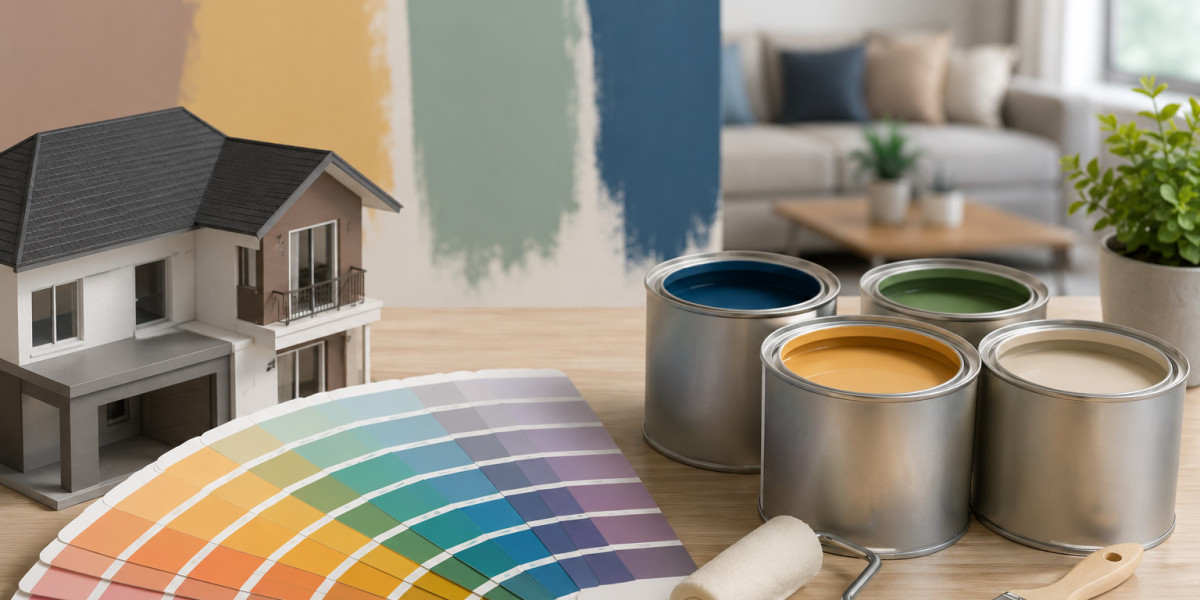

Most people spend a great deal of time comparing paint brands, finishes, and durability before starting a painting project. Those factors certainly deserve attention, but there's another decision that has an equally lasting impact: choosing the right color.
A premium paint applied in the wrong shade can leave a room feeling smaller, darker, or less inviting. On the other hand, the right color can completely transform a space, improving its atmosphere while complementing the quality of the paint itself.
Whether you're renovating a family home, designing a commercial office, or developing residential properties in Kenya, color selection should never be an afterthought. The best results come from balancing high-quality products with colors that suit the space, lighting, and purpose of the building.
Color Shapes First Impressions
Before people notice furniture, décor, or architectural details, they notice color.
Walk into a bright reception area painted in soft, welcoming tones, and the space immediately feels comfortable. Step into a room with harsh or mismatched colours, and the atmosphere changes almost instantly.
Colour has the unique ability to influence emotions without people consciously realizing it. Warm tones often create a welcoming environment, while cooler shades tend to promote calmness and focus.
For businesses, those first impressions can influence customer confidence. For homeowners, they shape how enjoyable a space feels every single day.
Every Room Has a Different Purpose
Choosing paint isn't simply about finding a favourite colour. Every room serves a different function, and the colour should support that purpose.
Living rooms often benefit from warm neutrals that encourage conversation and relaxation. Bedrooms typically feel more peaceful with soft blues, muted greens, or gentle earth tones. Kitchens frequently look brighter with crisp whites or light creams that reflect natural light.
Commercial spaces also require thoughtful planning. Offices often perform well with balanced neutral shades that promote concentration, while retail environments may use carefully selected accent colours to strengthen brand identity.
The best colour choices always consider how people will use the space.
Lighting Changes Everything
A colour that looks perfect in a showroom may appear completely different once it's applied to your walls.
Natural daylight, LED lighting, fluorescent fixtures, and warm indoor bulbs all affect how paint colours appear throughout the day.
Homes in Kenya often receive abundant natural sunlight, particularly in living areas with large windows. Strong daylight can make colours appear lighter and brighter than expected, while shaded rooms may emphasise cooler undertones.
This is why professional painters recommend testing sample patches before committing to an entire room. Viewing colours under different lighting conditions helps avoid expensive surprises later.
Quality Paint Makes Color Perform Better
Colour selection and paint quality work hand in hand.
Even the perfect shade can lose its appeal if the paint fades, stains easily, or develops uneven patches over time.
High-quality wall paint kenya products contain better pigments that provide richer colour consistency, stronger coverage, and improved resistance to fading. The result is a finish that continues looking vibrant long after the project is complete.
Lower-quality paints often require additional coats to achieve uniform coverage, especially with deeper or more saturated colours. That increases both labour and material costs.
Color Can Make Spaces Feel Larger or Smaller
One of the simplest ways to transform a room doesn't involve knocking down walls or major renovations.
Strategic colour selection creates powerful visual effects.
Lighter shades reflect more light, making compact rooms feel more spacious and open. Darker colors add warmth, depth, and character but can make smaller spaces feel more enclosed if used excessively.
Ceiling colors also influence perception. Painting ceilings in lighter shades creates the illusion of additional height, while darker ceilings produce a cozier atmosphere.
Understanding these principles allows homeowners and designers to maximize existing spaces without expensive remodeling.
Exterior Colors Need Practical Thinking
Exterior paint faces challenges that interior walls never encounter.
Strong sunlight, heavy rainfall, dust, and changing weather conditions all affect how colors age over time.
Lighter exterior colors generally reflect more heat, making buildings more comfortable in warmer climates. Darker shades absorb more heat and may fade faster under prolonged UV exposure.
When selecting exterior colors, property owners should consider maintenance requirements alongside aesthetics. Some colors naturally hide dust and minor imperfections better than others, reducing the frequency of cleaning and repainting.
Color Supports Property Value
Although paint is one of the most affordable home improvements, it can significantly influence buyer perception.
Neutral, timeless color schemes appeal to a wider audience and allow potential buyers to imagine themselves living in the property.
Bold personal color choices may suit individual tastes but can make resale more challenging.
For landlords and property developers, choosing versatile colors often results in broader market appeal while reducing repainting costs between tenants.
Don't Choose Color in Isolation
Many people select paint colors using tiny color cards under artificial showroom lighting.
Unfortunately, that approach rarely produces the best results.
Professional designers and experienced painters evaluate several factors before recommending colors, including:
Room size
Available natural light
Flooring materials
Furniture and décor
Building style
Long-term maintenance
Looking at the entire environment rather than individual paint samples creates a more balanced and cohesive finish.
Frequently Asked Questions
Does paint color affect room temperature?
Color has a modest impact. Dark exterior colors absorb more heat than lighter shades, while lighter colors reflect more sunlight, helping buildings stay slightly cooler.
Should I prioritize paint quality or color?
Both are equally important. High-quality paint ensures durability, while the right color enhances the appearance, comfort, and functionality of the space.
How can I choose the right paint color?
Test sample patches on your walls and observe them at different times of the day. Consider lighting, room size, furniture, and the room's intended purpose before making your final decision.
Final Thoughts
Choosing paint involves far more than selecting the highest-quality product available. Color plays an equally important role in shaping how a space looks, feels, and performs over time.
The right combination of durable paint and thoughtful color selection creates interiors and exteriors that remain attractive, functional, and inviting for years. Whether you're updating a home, renovating an office, or managing a property development in Kenya, take the time to evaluate both quality and color with equal care.
A beautiful finish isn't defined by paint alone—it's created when exceptional products meet colors that truly complement the space.