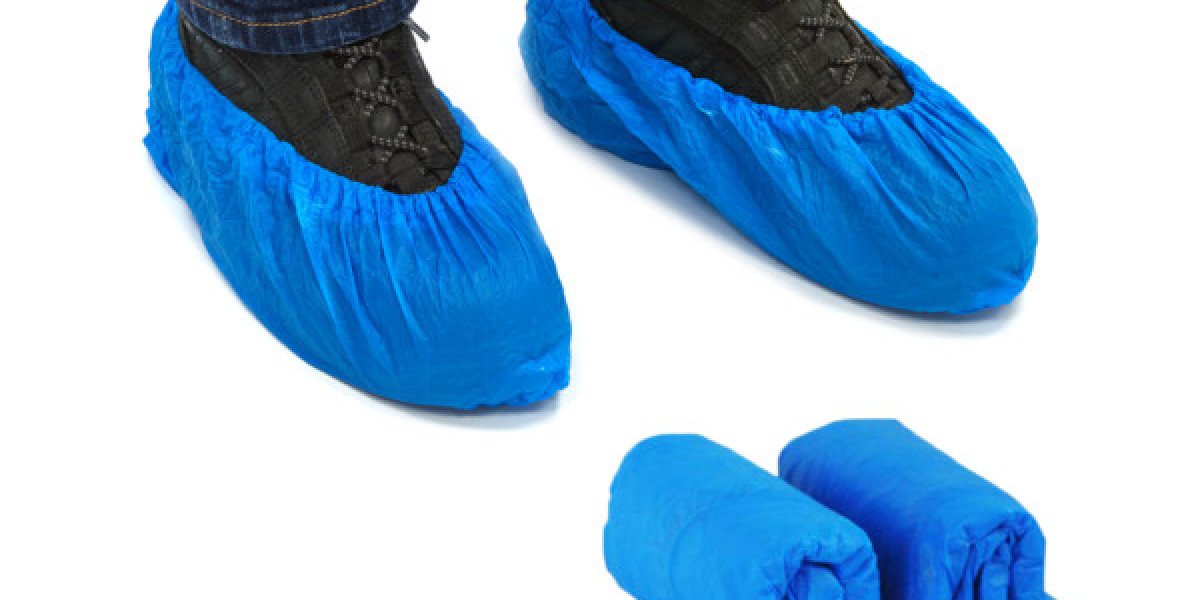

The disposable shoe cover is a simple but highly effective protective product used across healthcare, food processing, laboratories, cleanrooms, and industrial environments. Its main purpose is to prevent contamination by covering footwear and blocking dirt, dust, and microorganisms from entering controlled spaces.
Despite its low cost and simple design, disposable shoe covers play a major role in maintaining hygiene, safety, and compliance in sensitive environments.
This guide covers everything you need to know about disposable shoe covers, including types, materials, uses, benefits, industry applications, and how to choose the right product.
What Is a Disposable Shoe Cover?
A disposable shoe cover is a single-use protective covering worn over shoes. It is designed to prevent contamination between clean and dirty environments.
These covers are typically made from materials such as polypropylene (PP), polyethylene (PE), or SMS non-woven fabric.
They are commonly used in environments where hygiene is critical, such as:
Hospitals
Laboratories
Food processing plants
pharmaceutical facility
Cleanrooms
Industrial sites
Their main function is to act as a barrier between footwear and controlled environments.
Why Disposable Shoe Covers Are Important
In controlled environments, even small amounts of contamination can cause serious issues. Disposable shoe covers help prevent these risks.
They are important because they:
Prevent dirt and bacteria from entering sterile areas
Maintain hygiene standards in sensitive industries
Reduce risk of cross-contamination
Protect floors and clean environments
Support regulatory compliance in healthcare and food sectors
Without shoe covers, maintaining clean zones would be significantly more difficult.
Materials Used in Disposable Shoe Covers
The performance of disposable shoe covers depends on the material used.
1. Polypropylene (PP)
The most common material used.
Features:
Lightweight and breathable
Cost-effective
Suitable for general protection
Used in:
Hospitals
Laboratories
Food industry
2. Polyethylene (PE)
Waterproof and durable material.
Features:
Strong liquid resistance
Non-breathable
Good barrier protection
Used in:
Wet environments
Cleaning tasks
Medical procedures
3. SMS Non-Woven Fabric
Multi-layer protective material.
Features:
Better filtration
Stronger durability
Fluid resistance
Used in:
Pharmaceutical industry
Cleanrooms
Healthcare environments
4. Microporous Film
High-performance material for advanced protection.
Features:
Chemical resistance
Breathable yet protective
High durability
Used in:
Laboratories
Industrial environments
Hazardous zones
Types of Disposable Shoe Covers
Disposable shoe covers come in several types based on usage requirements.
1. Standard Elastic Shoe Covers
Basic and widely used type.
Features:
Elastic opening for secure fit
Easy to wear
Lightweight
Used in:
Hospitals
Offices
Light industrial use
2. Waterproof Shoe Covers
Designed to protect against liquid exposure.
Features:
Water-resistant material
Strong barrier protection
Ideal for wet environments
Used in:
Cleaning services
Medical environments
Outdoor inspections
3. Anti-Skid Shoe Covers
Designed for safety and slip prevention.
Features:
Textured soles
Improved grip
Reduced accident risk
Used in:
Hospitals
Cleanrooms
Laboratories
4. Heavy-Duty Shoe Covers
Made for industrial environments.
Features:
Strong material
Tear-resistant
Long-lasting protection
Used in:
Warehouses
Manufacturing units
Construction sites
5. Sterile Shoe Covers
Used in highly sensitive environments.
Features:
Sterile packaging
High hygiene level
Medical-grade material
Used in:
Operating rooms
Pharmaceutical labs
Clean production zones
Key Features of Disposable Shoe Covers
Disposable shoe covers are designed for convenience and protection.
Lightweight Design
Ensures comfort during long working hours.
Elastic Fit
Keeps shoe covers securely in place.
Breathability
Allows airflow in non-waterproof versions.
Water and Dust Resistance
Protects against external contaminants.
Single-Use Hygiene
Eliminates cross-contamination risks
Applications of Disposable Shoe Covers
Disposable shoe covers are used in many industries.
Healthcare Industry
Used in:
Hospitals
Clinics
Surgical rooms
Purpose:
Maintain sterile environments
Prevent infection spread
Pharmaceutical Industry
Used in:
Drug manufacturing
Research laboratories
Clean production facilities
Purpose:
Ensure product purity
Maintain compliance standards
Food Industry
Used in:
Food processing plants
Bakeries
Dairy production
Purpose:
Maintain hygiene standards
Prevent contamination
Laboratory Use
Used in:
Chemical labs
Biological research centers
Academic institutions
Purpose:
Protect samples
Maintain clean environments
Cleanrooms and Electronics Industry
Used in:
Semiconductor manufacturing
Microelectronics assembly
Precision engineering
Purpose:
Prevent dust and particle contamination
Maintain controlled environments
Industrial and Warehouse Use
Used in:
Manufacturing plants
Warehouses
Maintenance areas
Purpose:
Protect clean zones
Improve workplace hygiene
Benefits of Disposable Shoe Covers
Disposable shoe covers offer multiple advantages.
1. Contamination Control
Prevents dirt and microorganisms from entering clean areas.
2. Cost Efficiency
No cleaning or maintenance required.
3. Convenience
Easy to wear and dispose of after use.
4. Hygiene Compliance
Supports industry safety standards.
5. Safety Improvement
Reduces slip and contamination risks.
6. Lightweight Comfort
Comfortable for extended use.
Disposable vs Reusable Shoe Covers
Disposable Shoe Covers
Single-use
High hygiene standards
No washing required
Ideal for sterile environments
Reusable Shoe Covers
Washable
Higher maintenance cost
Suitable for low-risk environments
Disposable shoe covers are preferred where hygiene is critical.
Standards and Compliance
Disposable shoe covers must meet industry safety requirements.
Common standards include:
ISO cleanroom classifications
EN infection control standards
FDA food safety guidelines
CE certification
Compliance ensures safety and quality assurance.
How to Choose the Right Disposable Shoe Cover
Choosing the right product depends on usage needs.
1. Environment Type
Cleanrooms require sterile or anti-static covers.
2. Material Selection
PP for general use, PE for waterproof, SMS for higher protection.
3. Slip Resistance
Anti-skid soles improve safety in hospitals and labs.
4. Durability Level
Heavy-duty covers are needed for industrial environments.
5. Fit and Size
Elastic design should ensure full coverage.
6. Certification Requirements
Always check compliance standards.
Common Mistakes When Using Disposable Shoe Covers
Using Low-Quality Material
Reduces protection and increases contamination risk.
Reusing Disposable Covers
Compromises hygiene standards.
Incorrect Fit
Loose covers can slip off during use.
Ignoring Safety Standards
May lead to compliance issues.
Environmental Impact of Disposable Shoe Covers
Disposable shoe covers contribute to waste, but improvements are being made.
Eco-friendly solutions include:
Biodegradable materials
Recyclable packaging
Reduced plastic content
Sustainable production methods
Proper disposal systems are also improving environmental outcomes
Proper Usage Guidelines
To ensure effectiveness:
Wear before entering clean areas
Ensure full shoe coverage
Replace after each use
Dispose properly in designated bins
Do not reuse
Correct usage ensures maximum protection.
Storage Guidelines
To maintain quality:
Store in a dry place
Avoid heat and sunlight
Keep packaging sealed
Avoid moisture exposure
Use within shelf life
Proper storage ensures durability.
Future of Disposable Shoe Covers
The industry is evolving with innovation.
Future developments include:
Biodegradable protective materials
Anti-microbial coatings
Improved slip-resistant designs
Smarter PPE integration
More breathable high-performance fabrics
Demand will continue to grow in healthcare and industrial sectors.
FAQs about Disposable Shoe Covers
What is a disposable shoe cover used for?
It is used to prevent contamination by covering footwear in clean or controlled environments.
Are disposable shoe covers waterproof?
Some PE versions are waterproof, but PP versions are not fully water-resistant.
Can disposable shoe covers be reused?
No, they are designed for single use only.
What materials are used in shoe covers?
Common materials include polypropylene, polyethylene, SMS fabric, and microporous film.
Are shoe covers required in hospitals?
Yes, they are commonly used in sterile hospital environments.
Do shoe covers come in different sizes?
Most are universal and designed with elastic fit.
Are disposable shoe covers eco-friendly?
Some modern versions are biodegradable or recyclable.
Surgery
The disposable shoe cover is a vital component of modern hygiene and safety systems. It helps prevent contamination, protect sterile environments, and ensure compliance across healthcare, food, pharmaceutical, laboratory, and industrial sectors.
Simple in design but powerful in function, disposable shoe covers remain essential in maintaining cleanliness and operational safety. As industries evolve, these products are becoming more advanced, sustainable, and efficient, supporting the future of hygiene control worldwide.