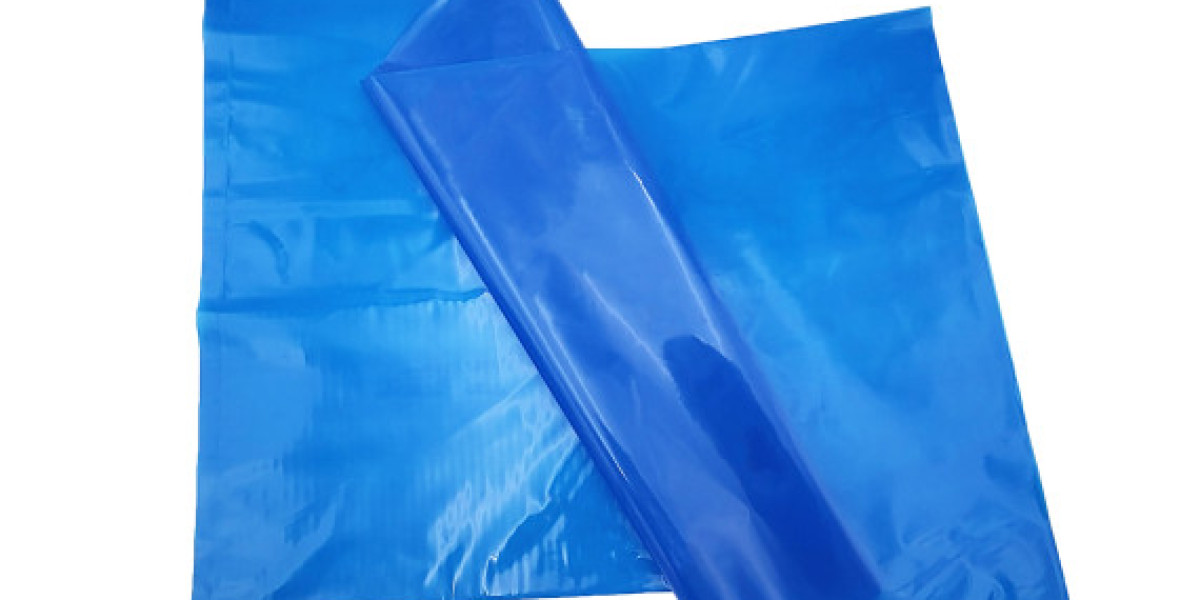

The ldpe bags are one of the most widely used plastic packaging solutions in the world. Known for their flexibility, strength, and moisture resistance, LDPE (Low-Density Polyethylene) bags are used across retail, food packaging, agriculture, industrial storage, and logistics industries.
From protecting products during shipping to storing goods safely in warehouses, LDPE bags offer a reliable and cost-effective packaging solution for businesses of all sizes.
This guide explains everything about LDPE bags, including what they are, how they are made, their benefits, types, applications, and how to choose the right option for your business.
What Are LDPE Bags?
LDPE bags are packaging bags made from Low-Density Polyethylene, a thermoplastic material derived from petroleum.
They are characterized by:
High flexibility
Soft texture
Excellent moisture resistance
Good chemical resistance
Transparent or semi-transparent appearance
LDPE bags are widely used because they combine durability with lightweight design, making them suitable for both industrial and everyday applications.
How LDPE Bags Are Made
LDPE bags are manufactured through a process called blown film extrusion.
Step-by-Step Process:
LDPE resin is melted at high temperature
The molten plastic is pushed through a circular die
Air is blown into the tube to form a bubble
The film is cooled and flattened
It is then cut and sealed into bags
This process allows manufacturers to control thickness, strength, and size depending on the application
Key Features of LDPE Bags
LDPE bags are preferred across industries because of their performance characteristics.
Flexibility
They are soft and stretchable, making them resistant to tearing under pressure.
Moisture Resistance
LDPE naturally repels water, protecting contents from humidity and spills.
Chemical Resistance
Suitable for storing mild chemicals and industrial materials.
Transparency Options
Available in clear, semi-clear, or colored variations for visibility and branding.
Lightweight Design
Reduces shipping costs and makes handling easier
Types of LDPE Bags
LDPE bags are available in multiple formats depending on usage requirements.
1. Plain LDPE Bags
Standard bags used for general packaging.
Used in:
Retail stores
Food packaging
Household storage
2. Gusseted LDPE Bags
These bags have expandable sides or bottom panels.
Used in:
Bulk packaging
Grocery items
Industrial goods
Benefits:
Extra storage capacity
Better shape retention
3. LDPE Zip Lock Bags
Resealable bags with a locking mechanism.
Used in:
Food storage
Electronics
Small components
Benefits:
Reusable
Airtight seal
Easy access
4. Printed LDPE Bags
Custom-printed bags for branding and marketing.
Used in:
Retail packaging
E-commerce deliveries
Promotional packaging
Benefits:
Brand visibility
Professional appearance
5. Heavy-Duty LDPE Bags
Thicker bags designed for industrial use.
Used in:
Construction materials
Agricultural products
Manufacturing industries
Benefits:
High strength
Tear resistance
6. LDPE Roll Bags
Bags supplied in roll form for easy dispensing.
Used in:
Supermarkets
Food packaging counters
Warehouses
Benefits:
Quick usage
Space-saving storage
Applications of LDPE Bags
LDPE bags are used in almost every industry due to their versatility.
Retail Industry
Used for:
Shopping bags
Product packaging
Merchandise storage
Food Industry
Used for:
Fresh produce packaging
Frozen food storage
Bakery items
Benefits:
Food-safe materials
Moisture protection
Agriculture Sector
Used for:
Fertilizer packaging
Seed storage
Harvest transport
Industrial Use
Used for:
Component packaging
Spare parts storage
Chemical handling (mild exposure)
E-commerce and Logistics
Used for:
Shipping protection
Return packaging
Order fulfillment
Healthcare and Pharmaceuticals
Used for:
Medical supply storage
Sterile packaging (non-critical use)
Sample transport
Advantages of LDPE Bags
LDPE bags offer several key benefits that make them widely used globally.
1. Cost-Effective Packaging
LDPE is inexpensive compared to other packaging materials.
2. High Durability
Resistant to punctures and minor impacts.
3. Moisture Protection
Ideal for humid environments and liquid exposure.
4. Lightweight
Reduces transportation costs significantly.
5. Versatility
Suitable for multiple industries and applications.
6. Customizable
Can be printed, colored, or shaped based on requirements.
Limitations of LDPE Bags
Despite their advantages, LDPE bags also have some limitations.
Not Heat Resistant
They can deform under high temperatures.
Limited Chemical Resistance
Not suitable for strong solvents or corrosive chemicals.
Environmental Concerns
Non-biodegradable, though recyclable.
Lower Rigidity
Not ideal for applications requiring firm structure.
LDPE vs HDPE Bags
Understanding the difference helps in selecting the right packaging.
LDPE Bags
Soft and flexible
Transparent or semi-transparent
Better for wrapping and general packaging
More stretchable
HDPE Bags
Rigid and stronger
More opaque
Better for heavy-duty use
Higher tensile strength
LDPE is preferred for flexibility, while HDPE is chosen for strength.
How to Choose the Right LDPE Bags
Selecting the correct LDPE bag depends on several factors.
1. Purpose of Use
Retail, food, or industrial use requires different specifications.
2. Thickness (GSM or Microns)
Thicker bags provide more durability.
3. Size Requirements
Choose based on product dimensions and volume.
4. Transparency Needs
Clear bags for visibility, colored for branding.
5. Sealing Type
Open bags, zip lock, or heat-sealed options.
6. Environmental Conditions
Consider temperature, moisture, and handling conditions.
Storage and Handling Tips
To maintain quality and performance:
Store in a cool, dry place
Avoid direct sunlight exposure
Keep away from heat sources
Avoid sharp object contact
Do not overload beyond capacity
Proper storage ensures longer usability.
Environmental Impact of LDPE Bags
LDPE is recyclable, but it is not biodegradable. However, modern sustainability efforts are improving its environmental profile.
Eco-friendly developments include:
Recycled LDPE materials
Reduced plastic thickness usage
Bioplastic alternatives
Closed-loop recycling systems
Many countries now encourage LDPE recycling to reduce plastic waste.
Future of LDPE Bags
The LDPE packaging industry is evolving rapidly.
Future trends include:
Increased use of recycled LDPE
Smart packaging integration
Biodegradable polymer blends
Lightweight high-strength materials
Improved recycling infrastructure
Sustainability and cost-efficiency will drive future innovation.
Common Problems and Solutions
Bag Tearing
Cause: Low thickness
Solution: Use higher micron grade bags
Moisture Leakage
Cause: Poor sealing
Solution: Use heat-sealed or zip lock bags
Cloudy Appearance
Cause: Low-grade resin
Solution: Use high-quality LDPE material
Static Cling Issues
Cause: Dry environment
Solution: Use anti-static treated LDPE bag
FAQs about LDPE Bags
What are LDPE bags used for?
LDPE bags are used for packaging, storage, and transportation in retail, food, industrial, and logistics sectors.
Are LDPE bags waterproof?
Yes, LDPE bags are naturally moisture-resistant and provide good water protection.
Can LDPE bags be recycled?
Yes, LDPE is recyclable, though recycling availability depends on local facilities.
What is the difference between LDPE and HDPE bags?
LDPE is softer and more flexible, while HDPE is stronger and more rigid.
Are LDPE bags food safe?
Yes, food-grade LDPE bags are widely used in food packaging.
Can LDPE bags handle heavy items?
Heavy-duty LDPE bags can handle moderate loads, but extremely heavy items require stronger materials.
Are LDPE bags environmentally friendly?
They are recyclable but not biodegradable; recycled LDPE improves sustainability
Conclusion
The ldpe bags are one of the most versatile and widely used packaging solutions in modern industries. Their flexibility, moisture resistance, and cost-effectiveness make them ideal for retail, food, agriculture, logistics, and industrial applications.
While environmental concerns exist, advancements in recycling and sustainable production are making LDPE bags more eco-friendly.
For businesses looking for reliable, affordable, and adaptable packaging, LDPE bags remain a smart and practical choice in today’s global supply chain.