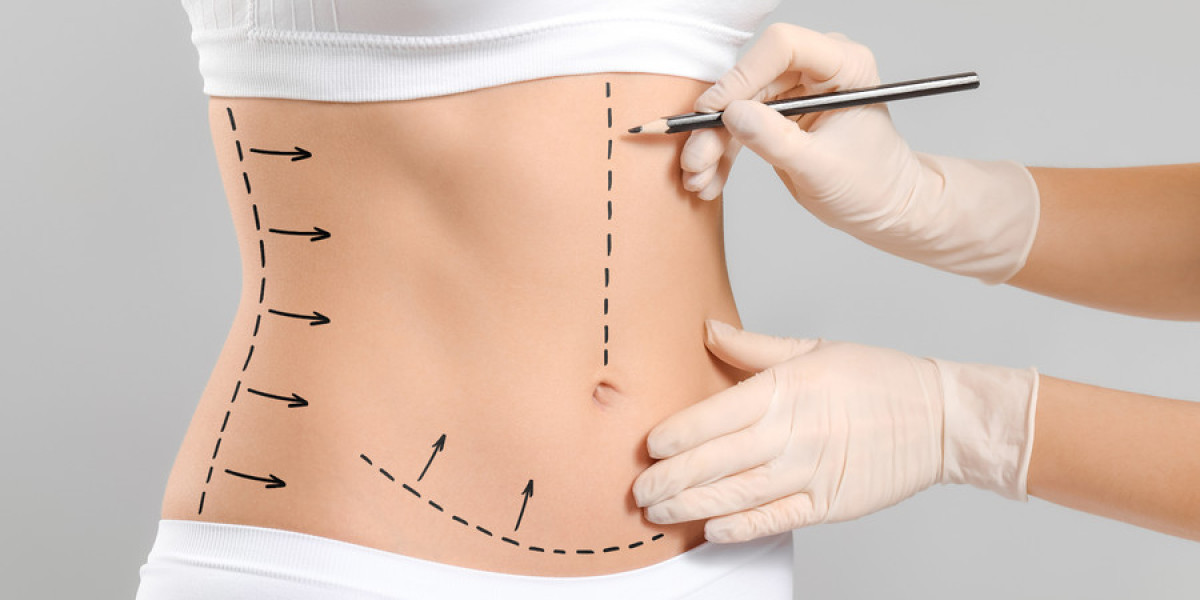

How Skin Elasticity Affects Liposuction Outcomes
Skin elasticity plays a major role in determining the final results of liposuction. While the procedure removes unwanted fat and improves body contour, the skin must naturally adapt and shrink to fit the new shape. If the skin has good elasticity, the results tend to look smooth, tight, and well-defined. If elasticity is poor, the outcome may include loose or uneven skin, even if the fat removal is successful. Liposuction in Riyadh is a popular cosmetic procedure for people seeking targeted fat reduction and improved body contouring results.
Understanding skin elasticity helps explain why two people with similar procedures can have very different results.
What Is Skin Elasticity?
Skin elasticity refers to the skin’s ability to stretch and then return to its original shape. It depends on the strength and quality of two key proteins:
- Collagen (provides structure and firmness)
- Elastin (provides flexibility and bounce-back ability)
Healthy, youthful skin has strong collagen and elastin fibers, allowing it to contract smoothly after fat removal.
When elasticity is reduced, the skin becomes less able to tighten naturally.
Why Skin Elasticity Matters in Liposuction
Liposuction removes fat from underneath the skin, but it does not directly tighten the skin. After fat removal, the skin must “shrink wrap” itself over the new body contour.
Good elasticity helps:
- Smooth skin contraction after fat removal
- Create natural-looking contours
- Prevent sagging or loose skin folds
- Improve overall aesthetic results
Poor elasticity can lead to:
- Loose or drooping skin
- Uneven surface texture
- Wrinkling in treated areas
Factors That Affect Skin Elasticity
Several factors determine how elastic the skin is before liposuction.
Age
Age is one of the biggest influences on skin elasticity.
- Younger skin has higher collagen and elastin levels
- Older skin gradually loses firmness and flexibility
As people age, the skin naturally becomes less able to retract after fat removal.
Genetics
Genetics also plays an important role.
Some people naturally have:
- Thicker, more resilient skin
- Better collagen production
- Slower signs of aging
Others may experience earlier loss of elasticity regardless of lifestyle.
Sun Exposure
Excessive sun exposure damages skin fibers over time.
It can lead to:
- Reduced collagen strength
- Premature aging
- Thinner, less elastic skin
This is often seen in areas frequently exposed to sunlight, such as arms and face.
Weight Fluctuations
Repeated weight gain and loss stretches the skin multiple times.
This can result in:
- Permanent skin stretching
- Reduced ability to bounce back
- Loose skin even after weight loss or liposuction
Stable weight over time helps preserve elasticity.
Smoking
Smoking significantly damages skin quality.
It reduces:
- Blood flow to the skin
- Oxygen supply
- Collagen production
This leads to faster loss of elasticity and slower healing after surgery.
How Elasticity Impacts Liposuction Results
Skin elasticity directly influences how the body looks after fat removal.
Good Skin Elasticity
When skin elasticity is strong:
- Skin tightens smoothly after liposuction
- Body contours look natural and firm
- Results appear more defined and youthful
- Minimal risk of loose skin
These patients typically achieve the best cosmetic outcomes.
Moderate Elasticity
With average skin quality:
- Some tightening occurs naturally
- Mild looseness may appear in certain areas
- Results are generally good but may not be perfect
Additional treatments like skin tightening may be recommended.
Poor Skin Elasticity
When elasticity is weak:
- Skin may not retract fully
- Loose or sagging areas may remain
- Irregular contouring can occur
In these cases, liposuction alone may not be enough, and combined procedures are often required.
Areas Where Elasticity Matters Most
Skin elasticity affects some body parts more than others.
Abdomen
The abdomen is highly dependent on elasticity, especially after pregnancy or weight loss.
Arms
Upper arms often show loose skin if elasticity is low.
Thighs
Inner thighs can sag if skin cannot contract properly.
Neck and chin
Even small amounts of loose skin in the neck area can affect facial definition.
How Surgeons Evaluate Skin Elasticity
Before liposuction, surgeons assess skin quality through:
- Visual examination
- Pinch test (checking skin recoil)
- Medical history review
- Age and lifestyle factors
This helps determine whether liposuction alone is enough or if additional procedures are needed.
Can Skin Elasticity Be Improved?
While natural aging cannot be reversed, some improvements are possible.
Helpful approaches include:
- Maintaining a stable weight
- Staying hydrated
- Eating a protein-rich diet
- Avoiding smoking
- Using proper skincare
Non-surgical treatments can also help stimulate collagen production, such as:
- Radiofrequency treatments
- Ultrasound-based skin tightening
- Laser therapies
These may improve results when combined with or after liposuction.
When Liposuction Is Not Enough
In patients with poor elasticity, surgeons may recommend combining liposuction with:
- Tummy tuck (for abdominal skin removal)
- Arm lift (for loose upper arm skin)
- Thigh lift (for sagging thighs)
- Neck lift (for excess neck skin)
This ensures both fat removal and proper skin tightening.
Conclusion
Skin elasticity is one of the most important factors affecting liposuction outcomes. While liposuction removes fat effectively, the skin must adapt to the new body shape. Good elasticity leads to smooth, firm, and natural-looking results, while poor elasticity may result in loose or uneven skin.
Factors like age, genetics, lifestyle, and weight history all influence skin quality. A proper evaluation before surgery helps determine whether liposuction alone is sufficient or if additional procedures are needed for the best outcome.
Ultimately, understanding skin elasticity allows for more realistic expectations and better long-term satisfaction with body contouring results.