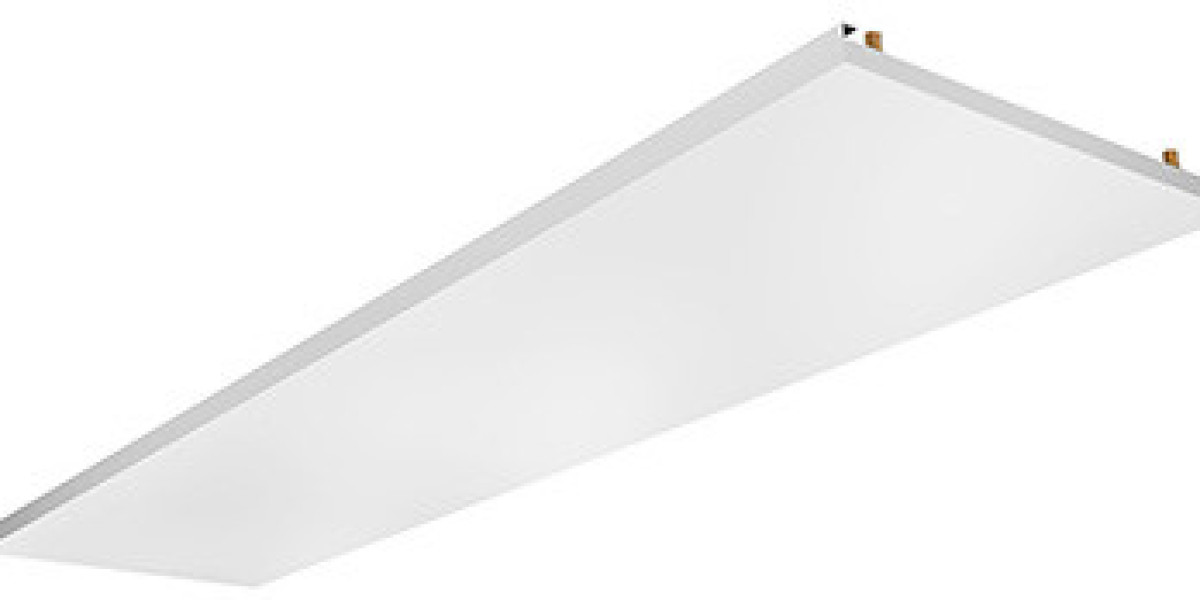

Radiant heat functions through the direct transfer of warmth, distinguishing itself from traditional heating systems that rely on air circulation. By emitting infrared radiation, it warms surfaces, objects, and individuals within a space, ensuring an even and consistent temperature. This form of heating operates quietly and without the use of vents or ducts, offering a more discreet and unobtrusive method of maintaining indoor comfort. Commonly integrated into floors, ceilings, or walls, Thermal Radiation Heating systems contribute to a clean and efficient environment by minimising the movement of airborne particles. Its ability to deliver targeted warmth and energy savings has positioned it as an increasingly preferred solution in residential and commercial settings. This system supports a balance between functionality and energy efficiency, aligning with modern approaches to heating and sustainable building design.
How Thermal Radiation Heating Works
Thermal Radiation Heating functions by transferring warmth through infrared radiation emitted from heated surfaces, such as floors, walls, or ceilings. This method allows heat to travel directly to objects and individuals, ensuring even temperature distribution throughout a space. Unlike systems that circulate warm air, Thermal Radiation Heating eliminates draughts and uneven hotspots, providing consistent comfort.
The technology typically involves either electric heating elements or a network of water-filled pipes, depending on whether an electric or hydronic system is installed. These components are discreetly embedded within structural surfaces, allowing heat to radiate efficiently and quietly. The absence of ducts or fans reduces energy loss, while also promoting a cleaner, more tranquil indoor environment suitable for a variety of applications.
Benefits of Thermal Radiation Heating
Thermal Radiation Heating offers an efficient approach to achieving consistent indoor warmth by directly targeting objects and surfaces rather than relying on air circulation. This method results in even heat distribution, eliminating cold spots and draughts within a space. It operates silently, enhancing comfort without the background noise associated with traditional systems.
Radiant systems also improve indoor air quality by reducing the movement of airborne particles, making them particularly beneficial in environments where allergens and dust are a concern. Their design supports a more hygienic and pleasant living or working environment.
Additionally, the efficiency of these systems can help to lower energy consumption over time, aligning with modern efforts towards more sustainable and eco-conscious heating solutions.
Types of Thermal Radiation Heating Systems
Thermal Radiation Heating systems are primarily categorised into electric and hydronic types, each offering distinct methods of heat delivery. Electric radiant systems utilise heating cables or mats installed beneath the flooring, providing targeted warmth ideal for smaller spaces or retrofitting projects. These systems are typically quicker to install and require minimal structural modifications. In contrast, hydronic radiant systems use a network of water-filled tubes to circulate heat, making them more suitable for larger spaces or whole buildings.
Hydronic systems often connect to boilers or alternative heat sources, allowing for greater energy versatility. Both types ensure efficient heat transfer and can be adapted to various flooring materials, supporting diverse architectural and functional requirements without compromising comfort or efficiency.
Installation of Thermal Radiation Heating Systems
The installation of Thermal Radiation Heating systems requires precise planning to align with the specific requirements of the space. Electric systems involve embedding heating cables or mats beneath the flooring, ensuring efficient heat transfer. For hydronic systems, a network of pipes is installed to circulate heated water, typically connected to a boiler or other heat source. Proper insulation is crucial to minimise heat loss and optimise system performance.
Installation processes may vary depending on the type of structure, with new constructions often allowing greater flexibility for integration. Floor type also plays a significant role in determining installation techniques, as certain materials, like tile or concrete, work particularly well with radiant systems due to their thermal conductivity and heat retention properties.
Energy Efficiency of Thermal Radiation Heating
Thermal Radiation Heating systems excel in reducing energy usage by directly warming surfaces and objects rather than relying on air circulation. This approach minimises energy loss, as no heat escapes through ductwork, a common issue with conventional systems. Operating at lower temperatures while maintaining effective warmth ensures optimal energy utilisation. The efficiency of radiant systems often translates to lower energy bills, making them cost-effective in the long term.
Additionally, the targeted nature of heat delivery means less wasted energy, aligning with environmentally conscious practices. Radiant systems are particularly effective when paired with proper insulation, as this combination maximises their performance and reduces unnecessary heat dissipation, contributing to energy conservation efforts in both residential and commercial environments.
Comfort and Health Benefits
Thermal Radiation Heating systems provide a steady and evenly distributed warmth that eliminates uneven temperatures across indoor spaces. By directly transferring heat to surfaces and objects, these systems create a more natural and soothing thermal environment. Unlike traditional heating methods, radiant systems do not rely on forced air circulation, which helps to maintain a cleaner atmosphere by reducing the movement of allergens and dust particles. This characteristic is particularly beneficial for individuals with sensitivities to airborne irritants.
Furthermore, the absence of noise-producing components such as fans or blowers enhances the overall tranquillity of indoor environments. The seamless integration of Thermal Radiation Heating contributes to a balanced and health-conscious approach to maintaining indoor comfort without compromising air quality or serenity.
Thermal Radiation Heating in Different Climates
Thermal Radiation Heating systems demonstrate adaptability across a range of climatic conditions, providing consistent warmth regardless of external temperatures. In colder regions, the direct transfer of heat ensures indoor spaces remain comfortable during prolonged periods of low temperatures. Meanwhile, in milder or transitional climates, radiant systems can deliver gentle warmth without excessive energy use, maintaining a pleasant environment during cooler months.
The versatility of these systems allows for their integration into various building types, ensuring they meet both residential and commercial heating needs. By avoiding reliance on air circulation, Thermal Radiation Heating proves effective in maintaining comfort in diverse weather conditions while promoting energy efficiency and reducing temperature disparities across indoor spaces, making it suitable for multiple geographic regions.
Maintenance of Radiant Heat Systems
Regular upkeep of radiant heat systems ensures their optimal performance and durability. Periodic inspections of the heating components, such as pipes in hydronic systems or electrical connections in electric systems, help identify any signs of wear or potential issues. Checking thermostats and control units for accuracy and functionality is essential for maintaining consistent heat output.
Cleaning the system’s accessible parts can prevent dust or debris from affecting its efficiency. For hydronic systems, monitoring water pressure and ensuring there are no leaks in the pipework is crucial. Ensuring insulation remains intact around heating components aids in retaining heat and minimising energy waste. These maintenance practices help sustain the system's reliability and effectiveness for extended use across different applications.
Cost Considerations of Thermal Radiation Heating
The cost of Thermal Radiation Heating systems is influenced by various factors, including the size of the area to be heated, the type of system chosen, and the complexity of the installation process. Electric systems may have lower initial installation costs compared to hydronic systems, which require more extensive setup due to the integration of water-filled pipes and heat sources. However, hydronic systems often prove more cost-effective over time, particularly in larger spaces, due to their lower operational expenses.
The materials used, such as flooring with high thermal conductivity, can also impact overall costs. While the upfront expenses may be higher than conventional systems, the long-term energy efficiency and potential savings in operational costs make Thermal Radiation Heating an appealing investment.
Environmental Impact of Thermal Radiation Heating
Thermal Radiation Heating systems contribute to environmentally responsible practices by reducing overall energy usage through efficient heat transfer. Their ability to operate at lower temperatures minimises energy waste, which helps to conserve resources. When paired with renewable energy sources, these systems further support sustainable energy use, aligning with contemporary environmental goals.
Additionally, radiant systems avoid reliance on ductwork, eliminating heat loss commonly associated with air-based systems. This design not only enhances efficiency but also reduces emissions, making it a viable option for those prioritising eco-friendly building solutions. The adaptability of Thermal Radiation Heating allows integration into green construction projects without compromising functionality.
Thermal Radiation Heating in Modern Architecture
Thermal Radiation Heating systems integrate seamlessly into modern architectural designs, offering a balance between functionality and aesthetics. Their concealed installation within floors, walls, or ceilings allows for unobstructed layouts, enabling designers to prioritise creative and open spaces. The versatility of these systems ensures compatibility with a variety of building materials, supporting innovative structural concepts.
Additionally, Thermal Radiation Heating aligns with the increasing focus on sustainable and energy-efficient construction, complementing environmentally conscious architectural practices. By eliminating visible components like radiators or vents, these systems enhance the clean and minimalist appeal often sought in contemporary architectural designs, reinforcing the harmony between technology and design.
Future Trends in Thermal Radiation Heating Technology
Advancements in Thermal Radiation Heating technology are focusing on enhancing energy efficiency and incorporating intelligent systems. Emerging materials with superior thermal properties aim to optimise heat distribution and system durability. Smart controls and sensors are being developed to provide precise temperature regulation, enabling customised comfort while reducing energy usage.
Integration with renewable energy sources is also gaining prominence, aligning radiant systems with sustainable building practices. These innovations are expected to further refine performance, supporting modern architectural demands and environmentally conscious heating solutions.
Conclusion
Radiant heat represents a highly efficient and aesthetically unobtrusive solution for maintaining indoor comfort across Australia. By directly transferring warmth to objects and surfaces rather than circulating air, it eliminates uncomfortable draughts and significantly improves indoor air quality. Whether utilising electric mats for smaller renovations or hydronic systems for expansive modern builds, this technology offers remarkable energy efficiency and reduced operational costs over time. As sustainable building practices continue to evolve, the seamless integration of Thermal Radiation Heating into contemporary architecture ensures a perfect balance of luxurious warmth, environmental responsibility, and innovative design for future residential and commercial projects.
FAQs
How does Radiant heat improve indoor air quality in Australian homes?
Unlike conventional systems that constantly circulate warm air, radiant heat directly warms surfaces and objects without creating draughts. This method effectively prevents the continuous movement of dust, allergens, and airborne particles, creating a significantly cleaner and healthier indoor environment for individuals across Australia with respiratory sensitivities or severe allergies.
What are the main differences between electric and hydronic radiant systems?
Electric radiant systems use heating cables beneath the flooring and are ideal for retrofitting smaller spaces quickly. Conversely, hydronic systems utilise a complex network of water-filled tubes connected to a boiler. Hydronic options are generally more suited to larger properties and offer superior long-term energy efficiency for expansive areas.
Can Thermal Radiation Heating systems help reduce household energy consumption over time?
Yes, these systems are exceptionally energy-efficient because they eliminate heat loss commonly associated with traditional ductwork. By operating effectively at lower temperatures while maintaining consistent warmth, they minimise wasted energy. This targeted heat delivery ensures optimal energy utilisation, ultimately leading to noticeably lower operational costs and reduced utility bills.
Are Thermal Radiation Heating systems compatible with modern architectural designs and flooring?
Radiant systems integrate flawlessly into contemporary architectural designs because they are completely concealed beneath floors or within walls. This discreet installation removes the need for bulky radiators or unsightly vents. They are highly compatible with various thermal-conducting materials like concrete and tile, supporting minimalist aesthetics and open spatial layouts.
What routine maintenance is required to keep a Thermal Radiation Heating system functioning?
Routine upkeep is minimal but essential for long-term reliability. Electric systems simply require occasional checks of electrical connections and thermostat accuracy. Hydronic systems need periodic monitoring of water pressure, boiler functionality, and pipework inspections to prevent leaks. Ensuring proper insulation remains intact also guarantees sustained performance and consistent thermal output.
Related Business Listings |