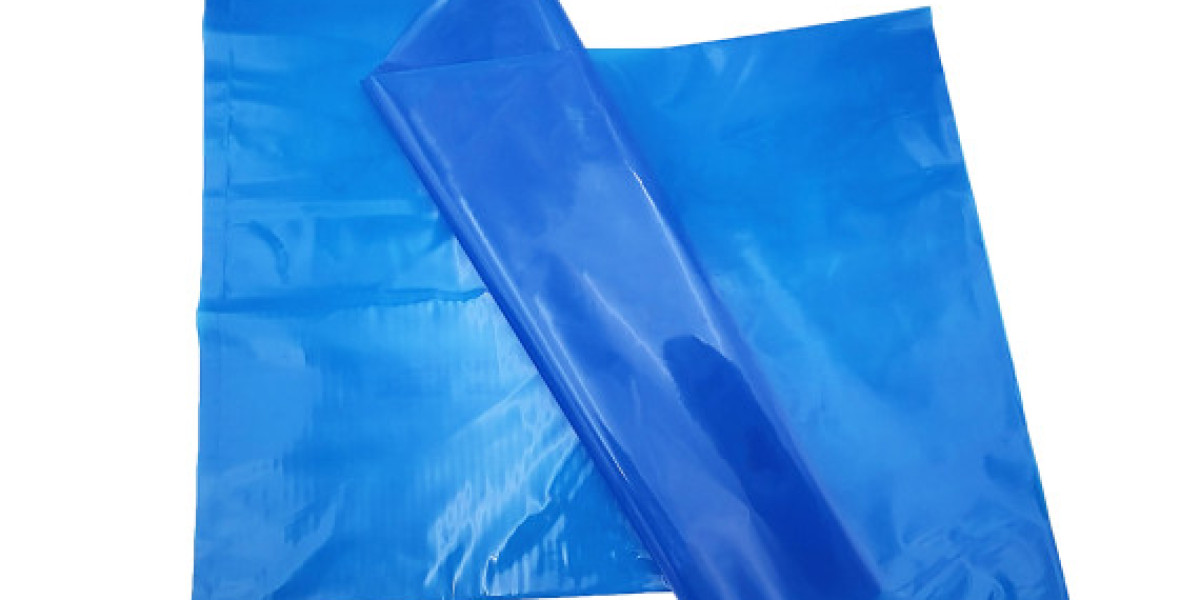

The demand for LDPE plastic bags continues to grow across retail, food packaging, healthcare, logistics, and industrial supply chains. Known for their flexibility, durability, and moisture resistance, LDPE bags are one of the most widely used packaging solutions in the world.
LDPE stands for Low-Density Polyethylene, a lightweight plastic material that is highly flexible and cost-effective. Businesses prefer LDPE plastic bags because they provide reliable protection while remaining affordable and easy to produce in large quantities.
This guide explains everything you need to know about LDPE plastic bags, including their structure, features, manufacturing process, applications, benefits, and environmental considerations.
What are LDPE plastic bags?
LDPE plastic bags are packaging bags made from Low-Density Polyethylene, a thermoplastic polymer derived from ethylene. These bags are soft, flexible, and resistant to moisture and chemicals.
They are commonly used for:
Retail packaging
Food storage
Industrial goods packaging
Medical and hygiene applications
Waste collection
Shipping and logistics
LDPE bags are valued for their ability to protect products while maintaining low production costs.
What is LDPE material?
LDPE (Low-Density Polyethylene) is a plastic material characterized by:
Low density and lightweight structure
High flexibility
Good impact resistance
Excellent moisture barrier
Chemical bearing
LDPE is widely used in packaging because it can be easily molded into different shapes, including films, sheets, and bags.
Key Features of LDPE Plastic Bags
LDPE plastic bags offer a combination of performance and affordability.
1. High Flexibility
LDPE bags are soft and stretchable, making them suitable for a wide range of products.
2. Moisture Resistance
They protect contents from water, humidity, and external moisture.
3. Tear Resistance
While flexible, LDPE bags still offer good resistance to tearing under normal use.
4. Lightweight Design
Reduces shipping weight and logistics costs.
5. Chemical Resistance
Resistant to many mild chemicals and acids.
6. Transparency Options
Can be manufactured as clear, semi-transparent, or colored bags.
Types of LDPE Plastic Bags
There are several variations of LDPE plastic bags depending on usage.
1. Flat LDPE Bags
Simple open-ended bags used for retail and packaging.
2. Gusseted LDPE Bags
Expandable sides for bulk or irregular-shaped items.
3. LDPE Garbage Bags
Used for waste collection and disposal.
4. LDPE Zip Lock Bags
Reusable sealing bags for storage and food use.
5. LDPE Printed Bags
Used for branding and marketing in retail stores.
6. Heavy-Duty LDPE Bags
Thicker bags designed for industrial applications.
Manufacturing Process of LDPE Plastic Bags
LDPE plastic bags are produced through a controlled industrial process.
Step 1: Raw Material Preparation
LDPE resin pellets are selected based on required strength and flexibility.
Step 2: Extrusion Process
The pellets are melted and extruded into thin plastic film.
Step 3: Film Blowing
Air is used to form a tubular film structure.
Step 4: Cooling and Flattening
The film is cooled and flattened into sheets.
Step 5: Cutting and Sealing
Sheets are cut and sealed into bag shapes.
Step 6: Quality Testing
Each batch is tested for durability, thickness, and strength.
Applications of LDPE Plastic Bags
LDPE plastic bags are used across multiple industries.
1. Retail Industry
Used for shopping bags, product packaging, and merchandise handling.
2. Food Industry
Used for packaging fruits, vegetables, frozen foods, and bakery items.
3. Healthcare Sector
Used for medical waste disposal and hygiene packaging.
4. Industrial Use
Used for storing raw materials, components, and chemicals.
5. Logistics and Warehousing
Used for packaging and protecting goods during transport.
6. Agriculture Sector
Used for fertilizers, seeds, and agricultural products.
Benefits of LDPE Plastic Bags
1. Cost-Effective Packaging Solution
LDPE bags are inexpensive to produce and purchase.
2. Versatile Usage
Suitable for multiple industries and applications.
3. Lightweight Material
Reduces transportation and shipping costs.
4. Good Product Protection
Protects against dust, moisture, and contamination.
5. Easy to Manufacture in Bulk
Ideal for large-scale industrial production.
6. Customizable Design
Can be printed, colored, or sized according to needs.
LDPE Plastic Bags vs Other Plastic Types
1. LDPE vs HDPE
LDPE is softer and more flexible
HDPE is stronger and more rigid
2. LDPE vs PP (Polypropylene)
LDPE is more flexible
PP has higher heat resistance
3. LDPE vs PVC
LDPE is safer and more recyclable
PVC contains more chemical additives
Environmental Impact of LDPE Plastic Bags
LDPE plastic bags have both advantages and environmental concerns.
Challenges:
Non-biodegradable material
Plastic waste accumulation
Recycling limitations in some regions
Sustainability Solutions:
Recyclable LDPE materials
Reduced thickness production techniques
Reusable bag designs
Improved recycling infrastructure
Many manufacturers are shifting toward eco-friendly LDPE alternatives.
Factors to Consider When Choosing LDPE Plastic Bags
1. Thickness (Micron Level)
Thicker bags provide better strength.
2. Size Requirements
Must match product dimensions for proper packaging.
3. Load Capacity
Important for industrial and heavy-duty use.
4. Transparency Needs
Clear bags are used for visibility and inspection.
5. Food Safety Certification
Required for food-grade applications.
6. Custom Printing
Useful for branding and retail marketing.
Industries That Depend on LDPE Plastic Bags
Retail and E-commerce
For packaging and product delivery.
Food Processing Industry
For hygienic storage and packaging.
Healthcare Industry
For medical waste and hygiene applications.
Manufacturing Sector
For storing raw materials and components.
Agriculture Industry
For packaging seeds, grains, and fertilizers.
Logistics Industry
For protecting goods during transport.
Storage and Handling Guidelines
Proper storage ensures product quality.
Store in a cool, dry place
Avoid direct sunlight exposure
Keep away from heat sources
Prevent contact with sharp objects
Maintain sealed packaging before use
Market Trends in LDPE Plastic Bags Industry
1. Growth in E-commerce Packaging
Online retail is driving demand for flexible packaging.
2. Sustainable Packaging Shift
Companies are moving toward recyclable plastics.
3. Custom Branding Demand
Printed LDPE bags are widely used for marketing.
4. Automation in Production
Manufacturing processes are becoming more efficient.
5. Regulatory Pressure
Governments are promoting reduced plastic waste usage.
Future of LDPE Plastic Bags
The future of LDPE plastic bags is evolving with innovation and sustainability.
1. Biodegradable LDPE Alternatives
New materials are being developed for eco-friendly packaging.
2. Smart Packaging Integration
Tracking and labeling technologies are emerging.
3. Lightweight High-Strength Films
Stronger bags with less material usage are being developed.
4. Increased Recycling Programs
Global efforts are improving plastic recycling systems
Conclusion
LDPE plastic bags remain one of the most widely used packaging solutions due to their affordability, flexibility, and versatility. They serve a critical role in retail, food, healthcare, logistics, and industrial sectors.
Despite environmental concerns, innovations in recycling and sustainable production are helping improve their long-term impact. Businesses continue to rely on LDPE bags because they offer a balance of cost efficiency and performance.
As global packaging demands grow, LDPE plastic bags will continue to play a major role in modern supply chains, with a strong shift toward eco-friendly and recyclable solutions.
FAQs
1. What are LDPE plastic bags used for?
They are used for packaging, storage, retail shopping, food packaging, and industrial applications.
2. Are LDPE plastic bags recyclable?
Yes, LDPE is recyclable depending on local recycling facilities.
3. What is the difference between LDPE and HDPE bags?
LDPE is softer and more flexible, while HDPE is stronger and more rigid.
4. Are LDPE bags safe for food use?
Yes, food-grade LDPE bags are widely used in the food industry.
5. Why are LDPE bags popular?
They are affordable, lightweight, flexible, and suitable for many industries.
6. Are LDPE plastic bags eco-friendly?
They are not biodegradable, but recyclable versions and sustainable alternatives are being developed.












