
In modern business operations, efficient organization, branding, and product identification are essential for smooth workflows and professional presentation. One of the most widely used tools for this purpose is label rolls . From retail and logistics to food packaging, healthcare, warehousing, and office environments, label rolls play a crucial role in labeling products quickly, accurately, and consistently.
Label rolls are continuous rolls of adhesive labels that can be printed or pre-printed and applied to a wide range of surfaces. They are designed for high-volume labeling tasks, making them ideal for businesses that require speed, efficiency, and cost-effectiveness.
This comprehensive guide explores everything you need to know about label rolls, including their types, applications, materials, benefits, and how to choose the right ones for your business.
What Are Label Rolls?
Label rolls are cylindrical rolls containing a continuous series of adhesive-backed labels. These labels can be blank, pre-printed, or custom-printed depending on business needs.
They are commonly used with:
Thermal Printers
Barcode printers
Label dispensers
Automated packaging systems
Each label is separated by perforation or spacing for easy peeling and application
Importance of Label Rolls in Modern Business
The use of label rolls has become essential in industries that rely on fast-paced operations and product identification.
1. Efficiency in Operations
Label rolls allow businesses to print and apply labels quickly, reducing manual effort and saving time.
2. Improved Product Identification
They ensure clear labeling of products, helping with inventory tracking and customer communication.
3. Professional Branding
Custom label rolls enhance brand identity by displaying logos, colors, and product details consistently.
4. Compliance and Safety
Industries such as food and healthcare use labels to meet regulatory requirements for safety and traceability.
Types of Label Rolls
There are several types of label rolls, each designed for specific applications and printing methods.
1. Direct Thermal Label Rolls
Direct thermal labels are printed using heat-sensitive material without ink or ribbons.
Features:
Cost-effective
Fast printing
Ideal for short-term use
Best for:
Shipping labels
Receipt printing
Food delivery packaging
Limitation:
Fades over time when exposed to heat or sunlight
2. Thermal Transfer Label Rolls
These labels use a ribbon to transfer ink onto the label surface.
Features:
Long-lasting print quality
Resistant to heat, chemicals, and abrasion
High durability
Best for:
Industrial labeling
Asset tracking
Warehouse managemen
3. Pre-Printed Label Rolls
These labels come with pre-printed designs, logos, or text.
Features:
Ready to use
Professional appearance
Saves printing time
Best for:
Branding
Product packaging
Warning labels
4. Blank Label Rolls
Blank label rolls are fully customizable and used with printers for on-demand labeling.
Features:
Flexible design options
Suitable for all industries
Compatible with barcode systems
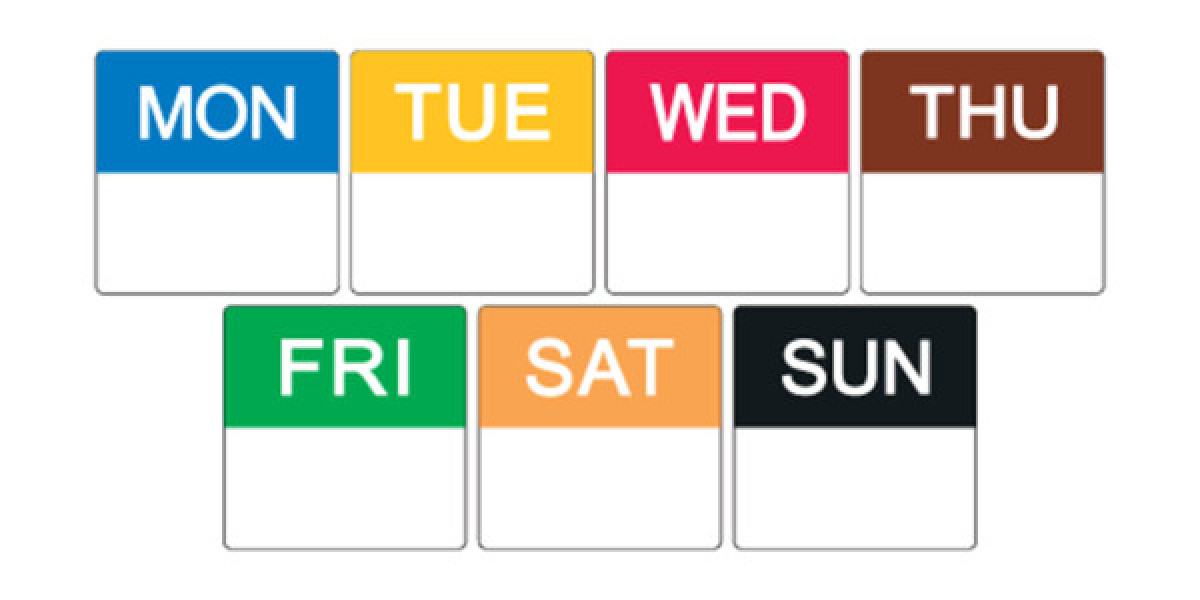
5. Colored Label Rolls
These labels come in different colors for categorization and organization.
Features:
Color-coded systems
Easy visual identification
Improved workflow efficiency
6. Waterproof Label Rolls
Designed for environments exposed to moisture or chemicals.
Features:
Water-resistant
Durable adhesive
Suitable for harsh conditions
Best for:
Food industry
Outdoor storage
Chemical labeling
Materials Used in Label Rolls
The durability and performance of label rolls depend on the materials used.
Paper Labels
Cost-effective
Suitable for short-term use
Common in retail and shipping
Polyester Labels
Durable and tear-resistant
Resistant to moisture and chemicals
Ideal for industrial use
Polypropylene Labels
Flexible and waterproof
Suitable for food and beverage packaging
Vinyl Labels
Highly durable
Weather-resistant
Used in outdoor applications
Applications of Label Rolls
Label rolls are used across multiple industries due to their versatility and efficiency.
Retail Industry
Price tags
Product labeling
Barcode labels
Shelf organization
Retail businesses rely heavily on label rolls for inventory management and customer-facing information
Logistics and Warehousing
Shipping labels
Tracking barcodes
Inventory management
Pallet labeling
Label rolls improve accuracy and speed in supply chain operations.
Food and Beverage Industry
Ingredient labeling
Expiry date labels
Nutritional information
Packaging labels
They ensure compliance with food safety regulations.
Healthcare and Pharmaceuticals
Prescription labels
Patient identification
Laboratory sample labeling
Medical equipment tracking
Accuracy in labeling is critical in this sector.
Manufacturing Industry
Product identification
Component tracking
Quality control labels
Safety warnings
Office and Administration
File labeling
Document organization
Asset tagging
Mail sorting
Benefits of Using Label Rolls
Using label rolls provides numerous advantages for businesses of all sizes.
1. High Efficiency
Roll-based labeling allows continuous printing without interruption.
2. Cost-Effective
Bulk production reduces cost per label compared to individual stickers.
3. Customization
Businesses can design labels according to branding and operational needs.
4. Durability Options
Different materials allow use in both indoor and outdoor environments.
5. Compatibility
Works with a wide range of printers and labeling machines.
6. Professional Appearance
Enhances brand image and product presentation.
How to Choose the Right Label Rolls
Selecting the right label rolls depends on your application and environment.
1. Printing Method
Direct thermal → short-term use
Thermal transfer → long-term durability
2. Material Type
Paper → retail and shipping
Polyester → industrial use
Vinyl → outdoor applications
3. Adhesive Strength
Choose based on surface type:
Permanent adhesive for long-term labeling
Removable adhesive for temporary use
4. Size and Shape
Common shapes include:
Rectangular
Circular
Custom die-cut
5. Environmental Conditions
Consider exposure to:
Heat
Moisture
Chemicals
Sunlight
Label Roll Printing Technology
Modern label rolls are designed to work with advanced printing systems.
Thermal Printers
No ink required
Fast and efficient
Ideal for logistics
Barcode Printers
Used for inventory tracking
High accuracy
Compatible with ERP systems
Inkjet and Laser Printing
Used for high-quality branding labels
Suitable for customized designs
Label Rolls in E-Commerce Growth
With the rise of e-commerce, demand for label rolls has increased significantly.
Online businesses use them for:
Shipping labels
Return labels
Product branding
Warehouse tracking
Fast order fulfillment depends heavily on efficient labeling systems
Environmental Considerations
Sustainability is becoming an important factor in packaging and labeling.
Eco-friendly label roll options include:
Recyclable paper labels
Biodegradable adhesives
Soy-based inks
Reduced plastic content materials
Businesses are increasingly adopting green labeling solutions.
Storage and Handling Tips
Proper storage ensures the quality of label rolls:
Store in a cool, dry place
Avoid direct sunlight
Keep away from moisture
Do not stack heavy objects on rolls
Use within recommended shelf life
Common Problems and Solutions
1. Labels Not Sticking Properly
Cause: Dust or oil on surface
Solution: Clean surface before application
2. Printer Jamming
Cause: Incorrect label size
Solution: Use compatible roll size
3. Faded Printing
Cause: Exposure to heat or sunlight
Solution: Use thermal transfer label
Future Trends in Label Rolls
The future of label rolls is driven by automation, sustainability, and smart technology.
Upcoming trends include:
RFID-enabled labels
Smart tracking labels
Eco-friendly materials
AI-driven inventory labeling
Higher validity scans
Frequently Asked Questions (FAQs)
1. What are label rolls used for?
Label rolls are used for product labeling, shipping, inventory tracking, branding, and packaging across multiple industries.
2. What is the difference between direct thermal and thermal transfer label rolls?
Direct thermal uses heat-sensitive material, while thermal transfer uses ink ribbons for more durable printing.
3. Are label rolls waterproof?
Some label rolls made from polyester or polypropylene are waterproof and suitable for harsh environments.
4. Can label rolls be customized?
Yes, businesses can customize label rolls with logos, barcodes, colors, and product information.
5. Which industries use label rolls the most?
Retail, logistics, healthcare, food packaging, manufacturing, and e-commerce industries widely use label rolls.
6. How long does label roll print last?
It depends on material and printing method. Thermal transfer labels last longer than direct thermal labels.
7. Are label rolls eco-friendly?
Some modern label rolls are made with recyclable or biodegradable materials for environmental sustainability.
8. What size label rolls should I choose?
The size depends on your printer and application requirements, such as shipping labels, product tags, or barcode labels.
Surgery
Label rolls are an essential tool for modern businesses, providing efficient, cost-effective, and professional labeling solutions across industries. From retail and logistics to healthcare and manufacturing, they ensure smooth operations, accurate tracking, and strong brand presentation.
With a wide range of materials, printing technologies, and customization options, businesses can choose label rolls that perfectly match their operational needs. As industries continue to evolve, label rolls will remain a vital component in packaging, identification, and inventory management systems worldwide.