
When we think about modern surgery, we often picture advanced robotic arms, high-definition monitors, and the incredible skills of the medical team. But there is another vital aspect of surgical success that happens right beneath the surface: protecting the patient's body from the physical strain of prolonged immobility.
When you undergo general anesthesia, your body completely relaxes. Because you cannot move or feel pressure, lying flat on a firm operating table for hours can stress your nerves, joints, and skin. To prevent complications like pressure ulcers (bedsores) or nerve pinching, hospitals rely on highly advanced pressure-relief tools.
Let's look at how everyday engineering, from a specialized head gel pad to a targeted gel cushion, keeps patients safe from head to toe while they sleep.
The Foundation of Comfort: The Medical Gel Cushion
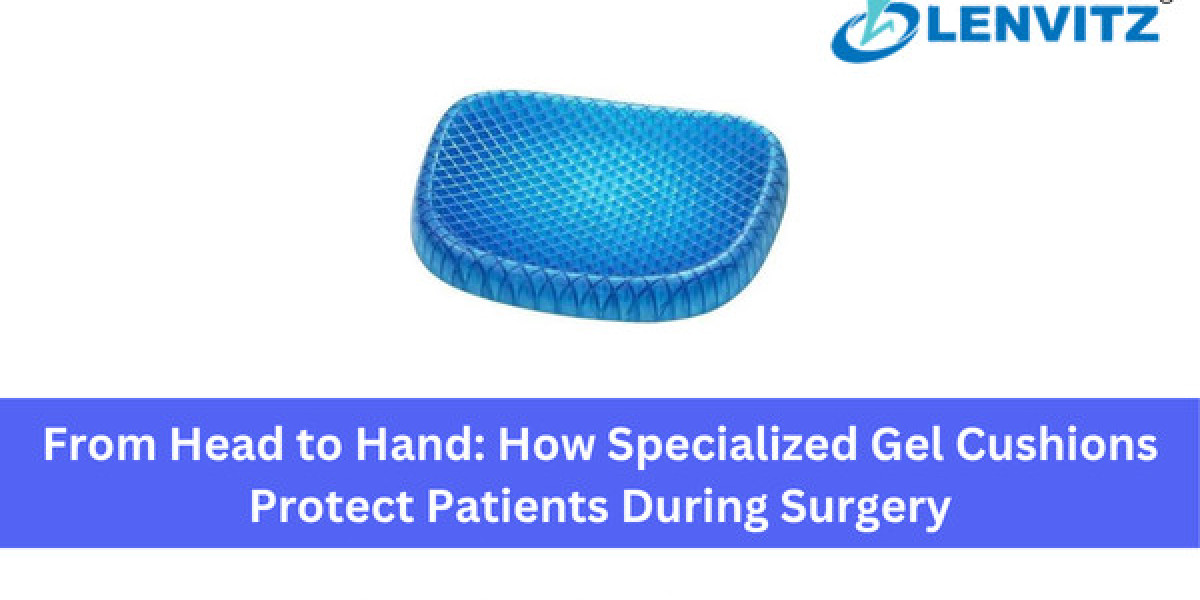
A standard operating room table is built for stability and hygiene, which often means it is flat and firm. To transform this surface into a safe environment for a vulnerable patient, surgical teams utilize a medical-grade gel cushion .
Unlike standard foam pillows, these advanced viscoelastic cushions mimic the natural feel of fatty tissue. They redistribute body weight evenly across a wider surface area, eliminating dangerous pressure hot spots. By absorbing shear forces—the friction caused when skin rubs or slides against a surface—a high-quality gel cushion ensures that blood continues to circulate freely to vital tissues throughout the operation.
Protecting the Brain's Core: Head Gel Pad and Silicon Head Ring
One of the most vulnerable parts of a patient during surgery is the head. The weight of the skull resting continuously against a flat surface can lead to localized hair loss (alopecia) or painful skin breakdown behind the ears and at the base of the neck.
To secure this delicate area, anesthesiologists use a specialized head gel pad . For surgeries where the patient lies flat on their back, the gold standard is a contoured silicon head ring.
This hollow, donut-shaped silicon head ring serves two crucial purposes:
Weight Distribution: It cradles the occipital bone (the back of the skull), distributing weight along the natural curve of the head rather than letting it rest on a single point.
Stability: It keeps the patient's head perfectly centered and stable, preventing accidental shifts that could strain the neck muscles or misalign the airway.
Safeguarding the Extremities: Arm Rest Gel Pad
While the head and torso receive immense focus, a patient's limbs are equally at risk. During many surgeries, a patient's arms are extended outward on arm boards to give the anesthesia team clear access to IV lines and monitoring equipment.
The ulnar nerve runs directly through the elbow—the very nerve responsible for that intense tingling sensation when you hit your "funny bone." If a patient's arm rests against a rigid board for hours without protection, this nerve can suffer compression damage, leading to prolonged numbness or weakness in the hand after waking up.
Hospitals prevent this injury by lining the arm boards with a dedicated arm rest gel pad . This contoured pad cushions the entire length of the forearm and elbow, insulating the delicate nerve pathways from structural friction and pressure.
A Safer Path to Recovery
Every single detail inside a modern operating room is designed with your safety in mind. The intentional layout of a head gel pad, a supportive silicon head ring, and a protective arm rest gel pad ensures that your body remains in perfect alignment. Thanks to these advanced medical innovations, you can wake up from surgical focusing entirely on your recovery, comfortable and completely unharmed.