
Frequently Asked Questions About PRP Hair Treatment in Riyadh
Introduction
PRP (Platelet-Rich Plasma) hair treatment is one of the most popular non-surgical solutions for hair thinning and early-stage hair loss in Riyadh. Despite its growing popularity, many people still have questions about how it works, how effective it is, and what to expect before starting treatment. PRP hair treatment in Riyadh is a popular non-surgical solution that uses the body's natural growth factors to support hair regrowth and improve hair density.
Because PRP involves medical procedures such as blood collection and scalp injections, it is natural for patients to seek clear and reliable information before making a decision.
This article answers the most frequently asked questions about PRP hair treatment in Riyadh to help you better understand the procedure, results, safety, and expectations.
What Is PRP Hair Treatment?
PRP hair treatment is a regenerative procedure that uses your own blood to stimulate hair growth.
The process involves:
- Drawing a small amount of blood
- Processing it in a centrifuge machine
- Extracting platelet-rich plasma
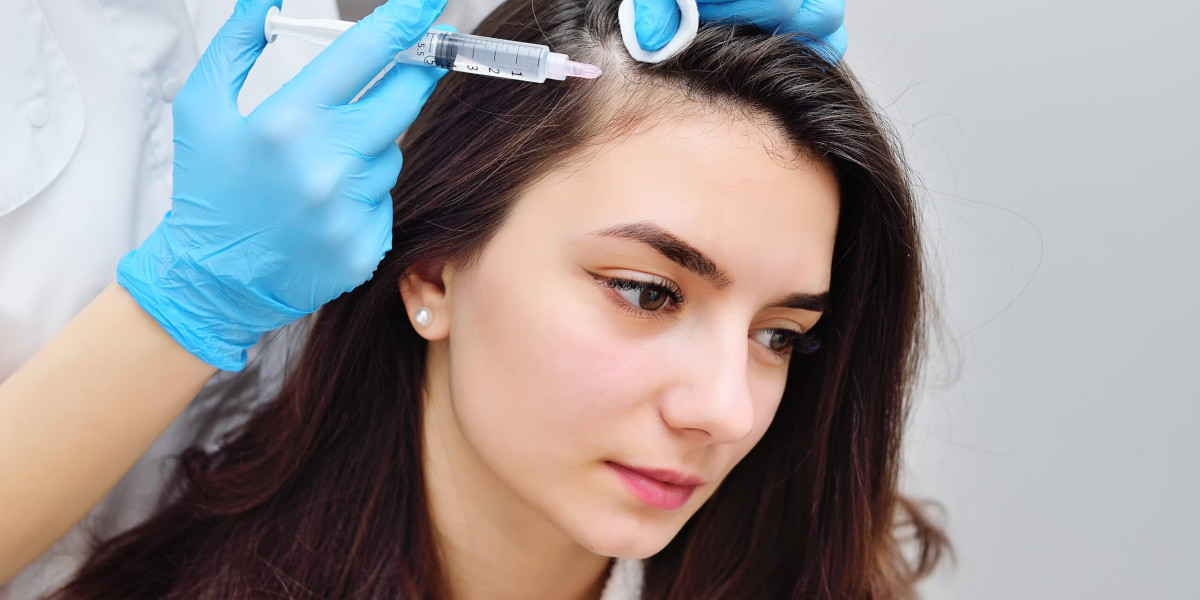
- Injecting it into areas of thinning hair
Platelets contain growth factors that help stimulate hair follicles, improve blood circulation, and strengthen existing hair.
How Does PRP Help With Hair Loss?
PRP works by targeting weakened or inactive hair follicles.
It helps:
- Stimulate dormant follicles
- Reduce hair shedding
- Improve hair thickness
- Enhance scalp health
- Extend the hair growth phase
It is most effective in early to moderate stages of hair loss.
Is PRP Hair Treatment Painful?
PRP is generally well tolerated.
What Patients Feel
- Mild pinching during injections
- Slight pressure on the scalp
- Temporary discomfort
Pain Management
Many clinics use numbing cream to reduce discomfort during the procedure.
Most patients describe the pain as mild and manageable.
How Long Does a PRP Session Take?
A typical PRP session takes around:
- 45 to 60 minutes
This includes:
- Blood collection
- Centrifuge processing
- Scalp preparation
- PRP injections
It is considered a quick outpatient procedure.
How Many PRP Sessions Are Needed?
Most patients require multiple sessions for best results.
Standard Plan
- 3 to 4 initial sessions
- Spaced 4 to 6 weeks apart
Maintenance
- 1 session every 4 to 6 months
The exact number depends on hair loss severity and individual response.
When Will I See Results From PRP?
Results are gradual and not immediate.
Timeline of Results
- 1–3 months: Reduced hair shedding
- 3–6 months: Improved thickness and density
- 6–12 months: Noticeable overall improvement
Consistency is key for visible results.
Is PRP Effective for Everyone?
PRP works best for certain individuals.
Best Candidates
- Early-stage hair loss
- Thinning hair
- Active hair follicles
Less Effective For
- Completely bald areas
- Long-term inactive follicles
Results vary from person to person.
Is PRP Safe?
Yes, PRP is considered a safe procedure.
Why It Is Safe
- Uses your own blood
- No foreign chemicals
- Low risk of allergic reaction
Possible Side Effects
- Mild redness
- Swelling
- Tenderness
- Temporary headache
These effects usually disappear within a few days.
What Are the Side Effects of PRP Hair Treatment?
Most side effects are mild and temporary.
Common Side Effects
- Scalp redness
- Mild swelling
- Slight bruising
- Itching
- Tenderness
Rare Side Effects
- Infection (very rare with proper hygiene)
- Dizziness after blood draw
Can PRP Regrow Lost Hair Completely?
PRP cannot create new hair follicles.
It can:
- Strengthen existing follicles
- Improve thinning areas
- Reduce further hair loss
It cannot fully restore completely bald areas where follicles are no longer active.
How Much Does PRP Hair Treatment Cost in Riyadh?
The cost varies depending on several factors.
General Range
- Basic sessions: moderate cost
- Advanced clinics: higher pricing
- Packages: often more cost-effective
Factors Affecting Cost
- Clinic reputation
- Doctor experience
- Number of sessions
- Technology used
Total cost depends on the full treatment plan.
Can PRP Be Combined With Other Treatments?
Yes, PRP is often combined with other therapies.
Common Combinations
- Minoxidil
- Finasteride
- Microneedling
- Nutritional supplements
Benefits
- Better results
- Faster improvement
- Stronger hair regrowth
Who Is the Ideal Candidate for PRP?
PRP is best suited for:
- Men and women with early hair thinning
- Individuals experiencing hair shedding
- Patients with androgenetic alopecia
- People seeking non-surgical treatment
A consultation is necessary to confirm suitability.
Is There Any Downtime After PRP?
PRP has minimal downtime.
After Treatment
- Mild redness may appear
- Normal activities can usually resume within 24 hours
- Avoid washing hair for 12–24 hours
Most patients return to daily routines quickly.
Can I Wash My Hair After PRP?
Yes, but not immediately.
Recommendation
- Wait 12–24 hours before washing
- Use mild shampoo
- Avoid harsh chemicals
This helps protect the treated scalp.
Are PRP Results Permanent?
PRP results are long-lasting but not permanent.
Why
- Hair loss is a progressive condition
- Maintenance sessions are required
- Ongoing care is important
Regular follow-up treatments help maintain results.
Can Women Use PRP for Hair Loss?
Yes, PRP is safe and effective for women.
It is commonly used for:
- Postpartum hair loss
- Hormonal thinning
- Female pattern hair loss
Women often see improved hair density and reduced shedding.
Can PRP Be Used for Beard or Eyebrow Hair?
In some cases, PRP is also used for:
- Beard thinning
- Eyebrow hair loss
However, results may vary depending on follicle health.
What Should I Avoid Before PRP Treatment?
Before treatment, patients are usually advised to avoid:
- Alcohol
- Smoking
- Blood-thinning medications (if approved by a doctor)
- Harsh hair treatments
Proper preparation improves results.
Conclusion
PRP hair treatment in Riyadh is a widely used and effective option for managing early to moderate hair loss. It is safe, minimally invasive, and uses the body’s natural healing process to stimulate hair growth.
However, it is important to have realistic expectations. Results are gradual, require multiple sessions, and vary depending on individual factors such as age, health, and stage of hair loss.
Understanding these frequently asked questions helps patients make informed decisions and approach PRP treatment with clarity and confidence. When used correctly and consistently, PRP can significantly improve hair thickness, reduce shedding, and support long-term hair health.