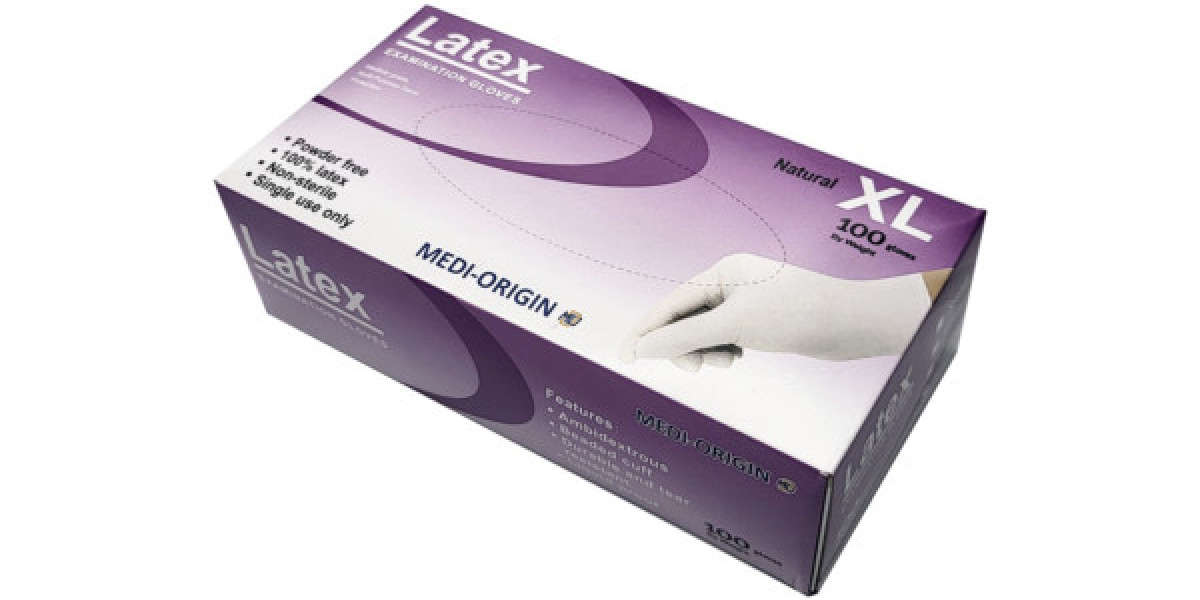

The demand for latex disposable gloves continues to grow across healthcare, food processing, laboratories, cleaning services, and industrial workplaces. These gloves are one of the most widely used forms of personal protective equipment (PPE) because they provide excellent barrier protection, comfort, and tactile sensitivity.
In environments where hygiene and contamination control are critical, latex disposable gloves help protect both workers and the people they serve. From hospitals and dental clinics to food handling and chemical labs, these gloves are essential for maintaining safety standards and preventing the spread of harmful substances.
This comprehensive guide explores everything you need to know about latex disposable gloves, including their materials, advantages, disadvantages, applications, safety considerations, and how to choose the right type for your needs.
What Are Latex Disposable Gloves?
Latex disposable gloves are single-use protective gloves made from natural rubber latex. They are designed to act as a barrier between the wearer’s hands and potentially harmful substances such as bacteria, viruses, chemicals, and bodily fluids.
These gloves are widely used due to their:
High elasticity and flexibility
Excellent tactile sensitivity
Strong tear resistance
Comfortable fit
Because they are disposable, they are intended for short-term use and are discarded after a single procedure or task to ensure hygiene and safety.
Composition of Latex Disposable Gloves
Latex gloves are made from natural rubber harvested from rubber trees. The manufacturing process involves dipping molds into liquid latex and then curing the material to form a flexible glove.
Key Components:
1. Natural Rubber Latex
Provides elasticity, strength, and comfort.
2. Vulcanizing Agents
Help harden and stabilize the rubber structure.
3. Accelerators
Speed up the curing process during production.
4. Powder or Powder-Free Coating
Powdered gloves use cornstarch for easier wear
Powder-free gloves use chlorination or polymer coating
Key Features of Latex Disposable Gloves
Latex gloves are popular due to their performance characteristics.
1. High Elasticity
They stretch easily and conform closely to the hand.
2. Excellent Fit
Provides a “second skin” feel for precise tasks.
3. Strong Barrier Protection
Protects against biological contaminants and fluids.
4. High Tactile Sensitivity
Ideal for delicate procedures requiring precision.
5. Tear and Puncture Resistance
More durable than many synthetic alternatives.
Advantages of Latex Disposable Gloves
1. Superior Comfort and Fit
Latex gloves are known for their natural fit, which reduces hand fatigue during long usage.
2. Excellent Dexterity
They allow precise handling of instruments and tools, making them ideal for medical and laboratory work.
3. Strong Protection Barrier
Latex provides effective protection against viruses, bacteria, and contaminants.
4. High Elasticity
They stretch without tearing easily, improving usability in demanding tasks.
5. Cost-Effective Option
In many markets, latex gloves are more affordable than premium synthetic alternatives.
Disadvantages of Latex Disposable Gloves
Despite their benefits, latex gloves also have some limitations.
1. Latex Allergies
Some users may experience allergic reactions ranging from mild irritation to severe responses.
2. Chemical Sensitivity Limitations
Not suitable for all chemicals, especially strong solvents and oils.
3. Not Suitable for All Industries
Due to allergy risks, some sectors prefer nitrile or vinyl gloves.
4. Degradation Over Time
Exposure to heat, sunlight, or ozone can reduce durability.
Types of Latex Disposable Gloves
Latex gloves are available in different variations based on usage requirements.
1. Powdered Latex Gloves
Easier to put on and remove
Suitable for quick procedures
Not recommended in sterile environments
2. Powder-Free Latex Gloves
Reduced risk of contamination
Preferred in medical and food industries
More comfortable for sensitive skin
3. Chlorinated Latex Gloves
Treated to reduce stickiness
Easier to wear without powder
4. Textured Latex Gloves
Enhanced grip for wet or oily conditions
Common in medical and industrial use
5. Examination-Grade Latex Gloves
Used in healthcare and diagnostics
Designed for high hygiene standards
Applications of Latex Disposable Gloves
Latex gloves are used across multiple industries where hygiene and protection are essential.
Healthcare Industry
Hospitals
Clinics
Dental practices
Emergency care
They protect healthcare workers from exposure to bodily fluids and infections.
Laboratory Use
Chemical labs
Research facilities
Diagnostic testing
They provide protection while maintaining precision and sensitivity.
Food Industry
Food preparation
Catering services
Meat processing
They ensure hygiene and prevent contamination of food products
Cleaning and Sanitation
Janitorial services
Housekeeping
Industrial cleaning
They protect workers from chemicals and cleaning agents.
Industrial Applications
Light manufacturing
Automotive maintenance
Assembly work
Used where hand protection and dexterity are required.
Beauty and Personal Care
Salons
Tattoo studios
Cosmetic procedures
They ensure hygiene and client safety.
Latex vs Nitrile vs Vinyl Gloves
Understanding the differences helps in selecting the right glove type.
Latex Gloves
Best elasticity and comfort
High tactile sensitivity
Allergy risk
Nitrile Gloves
Chemical resistant
Latex-free (no allergy risk)
Slightly less flexible
Vinyl Gloves
Most cost-effective
Lower durability
Suitable for light-duty tasks
Latex gloves are often preferred when precision and comfort are top priorities.
How to Choose the Right Latex Disposable Gloves
1. Purpose of Use
Medical, food handling, or industrial use will determine glove type.
2. Powdered vs Powder-Free
Powder-free gloves are safer for sensitive environments.
3. Thickness Level
Thicker gloves offer more protection but less flexibility.
4. Fit and Size
Proper sizing improves comfort and reduces hand fatigue.
5. Grip Requirements
Textured gloves are better for wet or slippery conditions.
6. Allergy Considerations
Always consider latex sensitivity among users.
Safety Considerations
Latex Allergy Awareness
Latex proteins can cause allergic reactions in some individuals. Symptoms may include:
Skin irritation
Itching
Redness
In severe cases, respiratory issues
Safe Usage Practices
Use powder-free gloves in sensitive environments
Avoid prolonged use when possible
Store gloves away from heat and sunlight
Replace gloves immediately if torn or damaged
Environmental Impact of Latex Gloves
Latex is a natural material, making it more eco-friendly than many synthetic alternatives.
Environmental Benefits:
Biodegradable under proper conditions
Derived from renewable rubber trees
Lower long-term environmental footprint
However, improper disposal can still contribute to waste issues, so responsible disposal is important.
Storage and Handling Guidelines
To maintain glove quality:
Store in a cool, dry place
Avoid direct sunlight exposure
Keep away from ozone sources (motors, electrical equipment)
Use within expiration date
Do not compress packaging excessively
Proper storage ensures strength and elasticity are preserved.
Common Problems and Solutions
1. Gloves Tearing Easily
Cause: Low-quality latex or improper size
Solution: Use higher-grade gloves and correct sizing
2. Difficulty Wearing Gloves
Cause: Moisture or improper powder-free design
Solution: Use chlorinated or properly coated gloves
3. Skin Irritation
Cause: Latex sensitivity or powder content
Solution: Switch to nitrile gloves if needed
4. Reduced Grip
Cause: Smooth surface or contamination
Solution: Use textured gloves
Future Trends in Latex Disposable Gloves
1. Allergy-Reduced Latex Formulations
Manufacturers are developing low-protein latex gloves to reduce allergic reactions.
2. Sustainable Production
More eco-friendly harvesting and manufacturing methods are being adopted.
3. Advanced Surface Texturing
Improved grip technology for medical and industrial precision tasks.
4. Hybrid Materials
Combining latex with other compounds to improve durability and reduce sensitivity issues.
5. Increased Global Demand
Healthcare expansion and hygiene awareness continue to drive market growth.
Conclusion
Latex disposable gloves remain one of the most widely used and trusted forms of protective handwear across healthcare, food processing, laboratory, and industrial sectors. Their superior elasticity, comfort, and tactile sensitivity make them ideal for precision tasks where safety and control are essential.
While concerns such as latex allergies exist, advancements in manufacturing and the availability of powder-free and low-protein options have significantly improved safety and usability.
As industries continue to prioritize hygiene, safety, and efficiency, latex disposable gloves will remain a key component of global PPE systems.