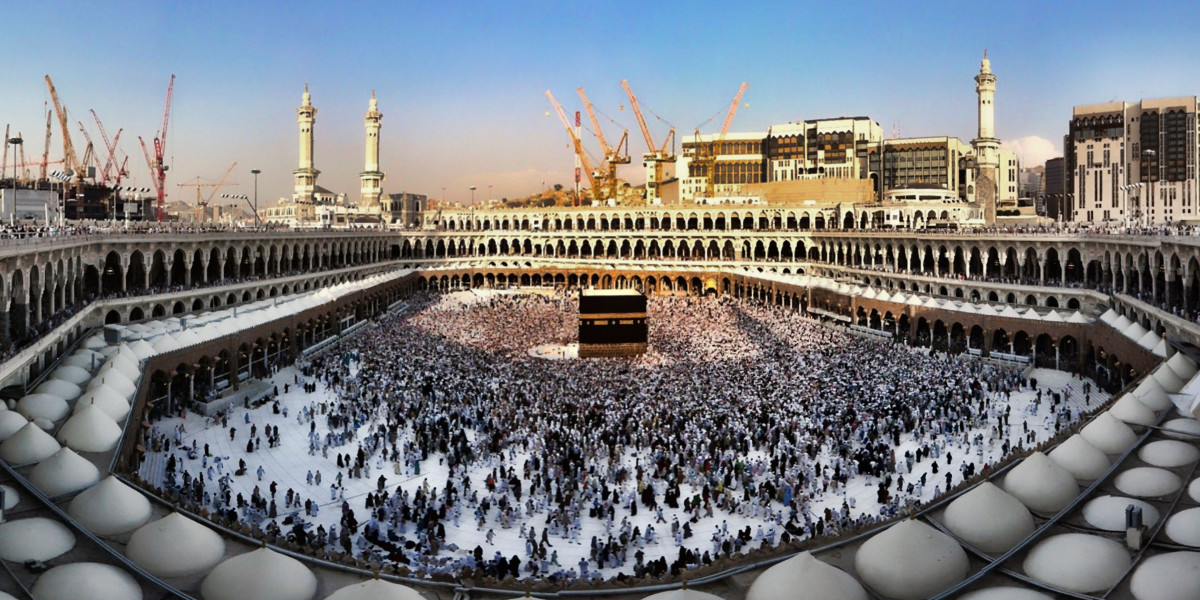

Performing Umrah is a deeply spiritual journey that allows Muslims to strengthen their faith and seek closeness to Allah. For pilgrims travelling from the United Kingdom, choosing the right season can significantly affect the overall experience. One of the most common questions among prospective pilgrims is whether Umrah in winter or summer is the better option.
Both seasons offer unique advantages and challenges. Factors such as weather conditions, travel costs, crowd levels, and personal comfort all play an important role in determining the ideal time for your pilgrimage. Understanding these differences can help you make an informed decision and enjoy a more fulfilling spiritual experience.
Understanding Seasonal Differences for Umrah
Saudi Arabia experiences a desert climate, meaning temperatures can vary dramatically between winter and summer. These seasonal changes influence everything from walking between holy sites to accommodation demand and travel expenses.
Winter offers cooler weather and more comfortable walking conditions for Umrah. Summer can be challenging due to high temperatures, but may have fewer crowds. Our guidance provides you with the best season for your journey.
Benefits of Performing Umrah in Winter
Winter is often considered one of the most comfortable times to perform Umrah, especially for those who prefer cooler temperatures.
Pleasant Weather Conditions
Between November and February, temperatures in Makkah and Madinah are significantly lower than during the summer months. Daytime temperatures are usually comfortable enough for walking and performing rituals without excessive physical strain.
This can be particularly beneficial for elderly pilgrims, families with children, and individuals with health concerns who may struggle in extreme heat.
More Comfortable Worship Experience
Many Umrah rituals involve walking long distances, including Tawaf around the Kaaba and Sa’i between Safa and Marwah. Cooler weather allows pilgrims to focus more on worship and less on coping with heat-related discomfort.
The pleasant climate also makes it easier to spend additional time in prayer, reflection, and visiting important Islamic sites.
Ideal for Family Travel
Winter school holidays in the United Kingdom often align with peak Umrah travel periods. Families may find it easier to organize their pilgrimage without disrupting education or work commitments.
The moderate weather also creates a more comfortable environment for children and older family members.
Challenges of Winter Umrah
While winter offers many advantages, it is not without drawbacks.
Higher Demand and Costs
Winter is one of the busiest seasons for Umrah. Increased demand often results in higher airfare prices, hotel rates, and package costs. Pilgrims may need to book several months in advance to secure the best deals.
Larger Crowds
Because many international pilgrims prefer travelling during cooler months, the holy cities can become more crowded. This may lead to longer waiting times and busier prayer areas, particularly during school holidays and festive periods.
Benefits of Performing Umrah in Summer
Despite the intense temperatures, many pilgrims continue to choose summer for their Umrah journey.
Potentially Lower Travel Costs
Summer can sometimes offer more affordable Umrah packages, especially outside peak holiday periods. Airlines and hotels may provide competitive pricing, making the pilgrimage more accessible for budget-conscious travellers.
For UK residents looking to manage travel expenses carefully, summer may present attractive financial opportunities.
Longer School Holidays
The extended summer break gives families greater flexibility when planning their pilgrimage. With several weeks available, travellers can schedule longer stays and combine Umrah with visits to historical and religious sites in Saudi Arabia.
Spiritual Rewards Through Patience
Many pilgrims view the challenges of performing Umrah in hot conditions as an opportunity to demonstrate patience, perseverance, and devotion. The additional physical effort can strengthen one's sense of spiritual accomplishment and gratitude.
Challenges of Summer Umrah
The primary disadvantage of summer Umrah is the extreme heat.
High Temperatures
From May to September, temperatures in Makkah can regularly exceed 40°C. Walking outdoors for extended periods can become physically demanding, particularly during midday hours.
Pilgrims must remain hydrated, use sun protection, and carefully manage their energy levels throughout their journey.
Increased Physical Fatigue
The combination of heat and large amounts of walking can lead to exhaustion, especially for elderly individuals and those unaccustomed to hot climates. Extra planning and frequent rest periods become essential during summer travel.
Factors UK Pilgrims Should Consider
When deciding between winter and summer Umrah, travellers from the United Kingdom should assess their personal circumstances carefully.
Budget
If affordability is the main concern, comparing seasonal package prices may reveal better value during summer months. However, lower costs should be balanced against weather-related challenges.
Health and Physical Fitness
Pilgrims with medical conditions, mobility concerns, or heat sensitivity may find winter a safer and more comfortable choice.
Family Commitments
School schedules, work obligations, and holiday availability often influence travel decisions. Choosing a season that aligns with family responsibilities can reduce stress and improve the overall experience.
Preferred Worship Environment
Some pilgrims prioritize comfort and cooler temperatures, while others focus on finding cost-effective travel options regardless of weather conditions. Understanding your priorities can make the decision easier.
Which Season Is Better for Umrah?
There is no universal answer because the best season depends on individual preferences and circumstances. Winter generally offers greater comfort, more pleasant weather, and a less physically demanding experience. However, it often comes with higher costs and larger crowds.
Summer, on the other hand, may provide more affordable travel opportunities and greater scheduling flexibility, although pilgrims must prepare for intense heat and increased physical demands.
Conclusion
Choosing between winter and summer ultimately depends on your budget, health, family commitments, and personal preferences. Winter offers cooler temperatures and a more comfortable environment for worship, while summer can provide cost savings and flexible travel arrangements. By carefully evaluating these factors, UK pilgrims can select the season that best supports their spiritual goals. Whether you choose winter or summer, understanding the advantages and challenges of each weather is better. Will help you prepare for a meaningful and rewarding pilgrimage experience.