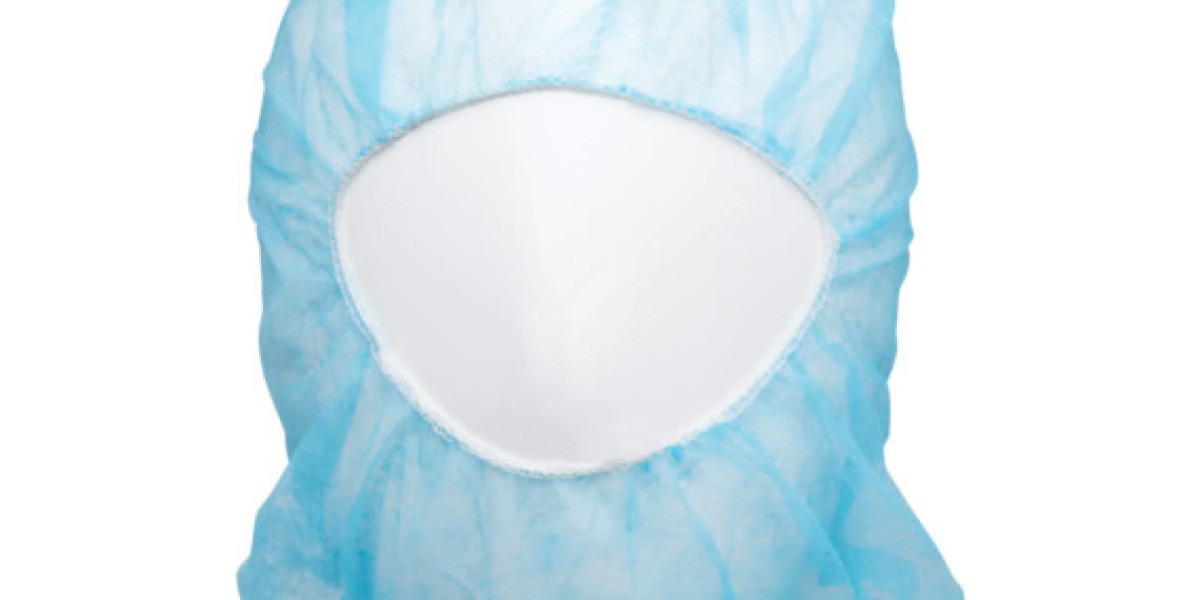

A disposable gown is a single-use protective garment designed to shield the wearer from contamination, fluids, and hazardous substances. It is widely used in healthcare, laboratories, food processing, pharmaceutical manufacturing, and industrial environments where hygiene and safety are critical.
Unlike reusable gowns, a disposable gown is designed for short-term use and then safely discarded after exposure. This helps prevent cross-contamination and reduces the need for laundering, making it a highly efficient solution for infection control and workplace hygiene.
With rising global awareness of infection prevention and stricter safety regulations, the demand for disposable protective apparel continues to grow rapidly across multiple industries.
This guide provides a complete overview of disposable gowns, including types, materials, uses, benefits, industry applications, and how to choose the right product.
What Is a Disposable Gown?
A disposable gown is a protective clothing item worn over regular clothing to prevent contact with infectious agents, chemicals, or other hazardous materials. It is commonly made from lightweight, fluid-resistant materials designed for single use.
The main purpose of a disposable gown is to:
Protect the wearer from contamination
Prevent the spread of infectious diseases
Maintain sterile environments
Comply with safety and hygiene regulations
Disposable gowns are an essential part of personal protective equipment (PPE), especially in healthcare settings.
Importance of Disposable Gowns
The disposable gown plays a vital role in maintaining safety and hygiene standards.
Infection Prevention
Disposable gowns help prevent the spread of bacteria, viruses, and other pathogens in healthcare environments.
Cross-Contamination Control
They act as a barrier between patients, environments, and healthcare workers.
Worker Protection
Protects against exposure to blood, bodily fluids, and hazardous substances.
Regulatory Compliance
Meets health and safety standards required in hospitals, labs, and industrial environments.
Types of Disposable Gowns
Different types of disposable gown products are designed for varying levels of protection.
Surgical Disposable Gowns
These gowns are used in sterile surgical environments.
Features:
High fluid resistance
Sterile packaging
Long sleeves with secure cuffs
Common uses:
Operating rooms
Surgical procedures
Emergency surgeries
Isolation Gowns
Used in general healthcare and patient care environments.
Features:
Moderate fluid resistance
Lightweight design
Comfortable fit
Common uses:
Hospitals
Clinics
Infectious disease wards
Non-Surgical Disposable Gowns
Designed for low-risk environments.
Features:
Basic protection
Breathable material
Cost-effective
Common uses:
Patient examinations
Visitor protection
General healthcare use
Disposable Lab Gowns
Used in laboratories and scientific environments.
Features:
Chemical resistance
Lightweight protective design
Suitable for controlled environments
Industrial Disposable Gowns
Used in manufacturing and industrial settings.
Features:
Durable construction
Protection against dust and light chemicals
Comfortable for long shifts
Materials Used in Disposable Gowns
The effectiveness of a disposable gown depends heavily on the material used.
Polypropylene (PP)
Lightweight and breathable
Cost-effective
Common in general-use gowns
SMS Fabric (Spunbond Meltblown Spunbond)
Multi-layer protection
High fluid resistance
Used in medical-grade gowns
Polyethylene Coated Fabric
Waterproof protection
High barrier against fluids
Used in high-risk environments
Microporous Film Fabric
Breathable and protective
Resistant to chemicals and fluids
Used in industrial and lab settings
Protection Levels of Disposable Gowns
Disposable gowns are categorized based on risk exposure levels.
Level 1 (Minimal Risk)
Light protection
Used in basic care settings
Level 2 (Low Risk)
Moderate fluid resistance
Used in general patient care
Level 3 (Moderate Risk)
Higher fluid protection
Used in emergency care
Level 4 (High Risk)
Maximum fluid and viral protection
Used in surgery and infectious disease control
Industries That Use Disposable Gowns
The disposable gown is used across multiple industries.
Healthcare Sector
Hospitals, clinics, and emergency departments rely heavily on disposable gowns.
Pharmaceutical Industry
Used in sterile drug manufacturing and testing environments.
Laboratory Sector
Protects researchers from chemical and biological exposure.
Food Processing Industry
Ensures hygiene and contamination control in food production.
Industrial Sector
Used in manufacturing, cleaning, and chemical handling environments.
Benefits of Using Disposable Gowns
Using a disposable gown offers several advantages:
1. High Hygiene Standards
Prevents contamination and infection spread.
2. Single-Use Safety
Eliminates risks associated with reuse.
3. Cost Efficiency
Reduces laundering and maintenance costs.
4. Easy Usage
Quick to wear and dispose of after use.
5. Regulatory Compliance
Meets healthcare and workplace safety requirements.
6. Versatile Applications
Suitable for medical and non-medical industries.
Disposable Gown vs Reusable Gown
Disposable Gown
Single-use
High infection control
No washing required
Ideal for healthcare and sterile environments
Reusable Gown
Washable and durable
Cost-effective long-term
Requires cleaning process
Suitable for low-risk environments
Both types of disposable gown options serve different operational needs.
How to Choose the Right Disposable Gown
When selecting a disposable gown, consider:
1. Risk Level
Choose based on exposure risk (low, moderate, high).
2. Material Type
SMS and polyethylene-coated fabrics offer higher protection.
3. Comfort and Fit
Proper sizing ensures mobility and comfort.
4. Fluid Resistance
Important for surgical and emergency environments.
5. Breathability
Essential for long working hours.
6. Certification Standards
Ensure compliance with medical safety guidelines.
Proper Usage of Disposable Gowns
To ensure maximum effectiveness:
Wear gown before entering contaminated areas
Secure ties properly at neck and waist
Avoid touching outer surface
Remove carefully to prevent contamination
Dispose immediately after use
Correct usage is essential for infection control
Environmental Considerations
The use of disposable gown products raises environmental concerns due to single-use waste. However, manufacturers are improving sustainability by:
Using biodegradable materials
Developing recyclable fabrics
Reducing plastic content
Improving manufacturing efficiency
Hospitals and industries are also adopting better waste management systems.
Storage and Handling
To maintain quality:
Store in a dry, cool environment
Avoid direct sunlight
Keep sealed until use
Prevent compression damage
Follow expiry guidelines for sterile gowns
Proper storage ensures product integrity.
Market Trends for Disposable Gowns
The demand for disposable gown products is growing due to:
Expansion of healthcare systems
Increased infection control awareness
Growth in pharmaceutical manufacturing
Rising PPE demand post-pandemic
Stricter workplace safety regulations
Innovation continues to improve comfort and protection.
Bulk Buying Tips
When purchasing in bulk:
Compare multiple suppliers
Request samples before ordering
Check certification and compliance
Evaluate material quality
Ensure consistent supply availability
Negotiate wholesale pricing
Reliable sourcing ensures operational efficiency.
Common Mistakes to Avoid
Avoid these mistakes:
Choosing wrong protection level
Ignoring fluid resistance requirements
Selecting incorrect size
Overlooking certification standards
Prioritizing price over safety
Proper selection improves safety and compliance.
Future of Disposable Gowns
The future of disposable gown products includes:
Biodegradable protective fabrics
Lightweight high-performance materials
Improved breathability technology
Smart PPE integration
Sustainable manufacturing processes
Innovation will continue improving safety and environmental responsibility.
Conclusion
A disposable gown is an essential protective garment used across healthcare, laboratory, industrial, and pharmaceutical environments. It plays a critical role in preventing infection, ensuring hygiene, and protecting workers from hazardous exposure.
With increasing global demand for PPE, disposable gowns remain a key component of safety systems. Choosing the right type, material, and protection level ensures maximum safety, comfort, and compliance
Frequently Asked Questions (FAQs)
What is a disposable gown used for?
A disposable gown is used to protect against contamination, fluids, and infectious agents in medical and industrial environments.
Are disposable gowns reusable?
No, they are designed for single use to maintain hygiene and safety.
What materials are disposable gowns made from?
They are made from polypropylene, SMS fabric, polyethylene-coated materials, or microporous film.
What is the difference between isolation and surgical gowns?
Surgical gowns offer higher sterile protection, while isolation gowns are used for general infection control.
What protection level is best?
Level 3 or 4 gowns are used for high-risk medical environments.
Where are disposable gowns used?
They are used in hospitals, laboratories, pharmaceutical companies, and industrial sectors.
How should disposable gowns be disposed of?
They should be disposed of according to medical or hazardous waste guidelines.