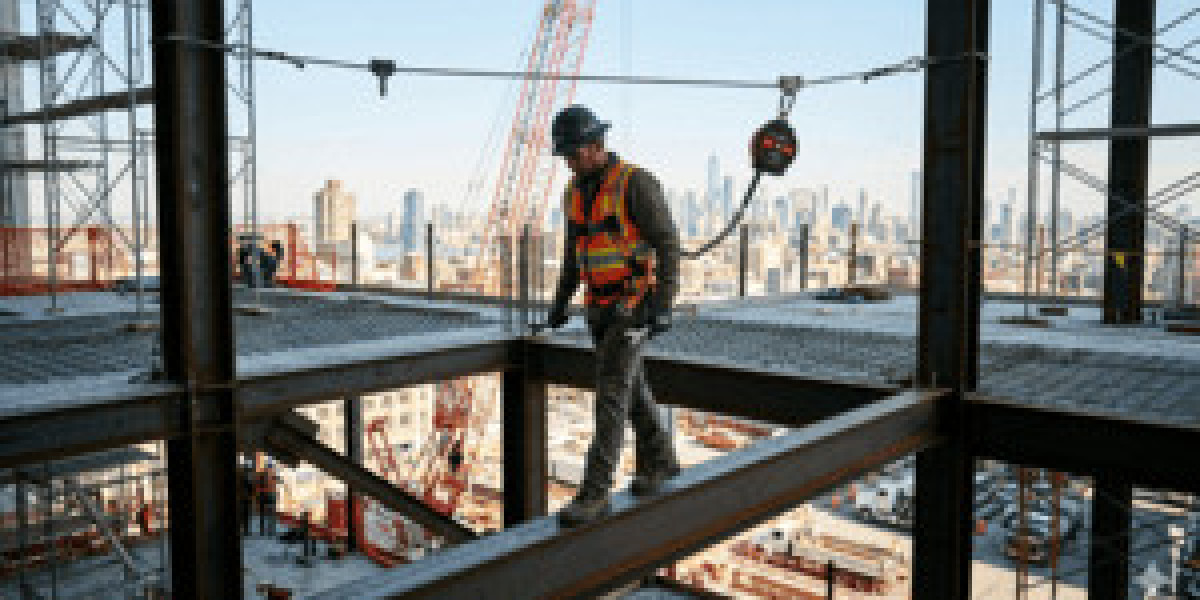

Working at heights often requires employees to move across large roof surfaces, elevated platforms, and industrial structures while remaining continuously protected from fall hazards. Traditional anchor points can sometimes limit mobility, forcing workers to disconnect and reconnect as they move throughout the work area. This is where a Horizontal lifeline becomes one of the most effective solutions for maintaining both safety and productivity.
A horizontal lifeline system allows workers to travel along a designated path while remaining connected to a continuous fall protection system. By providing uninterrupted protection across large work areas, these systems help reduce risks, improve efficiency, and support compliance with workplace safety regulations.
What Is a Horizontal Lifeline?
A horizontal lifeline is a fall protection system that consists of a flexible cable or lifeline installed horizontally between anchor points. Workers connect to the lifeline using approved personal fall protection equipment, allowing them to move freely while remaining attached to a secure system.
These systems are commonly installed on:
Commercial rooftops
Industrial facilities
Manufacturing plants
Aircraft maintenance hangars
Loading areas
Bridges and infrastructure projects
Utility and energy facilities
The primary advantage of a horizontal lifeline is that workers can maintain continuous protection while covering larger work areas without constantly changing anchor points. Continuous fall restraint or fall arrest coverage around roof edges and openings is one of the key benefits of engineered roof horizontal lifeline systems.
Why Traditional Anchor Points Have Limitations
Single-point anchors are effective in many situations, but they can create challenges when workers need to travel across expansive surfaces.
Common limitations include:
Restricted worker movement
Frequent disconnecting and reconnecting
Increased time spent repositioning
Greater potential for user error
Reduced productivity during inspections and maintenance
A horizontal lifeline addresses these challenges by creating a continuous attachment point that allows workers to move safely throughout the work zone. Systems designed with pass-through capability allow users to move along the entire span without disconnecting from the lifeline.
How Horizontal Lifelines Improve Workplace Safety
Continuous Fall Protection
One of the biggest advantages of a horizontal lifeline is uninterrupted protection. Workers remain connected throughout the task, reducing the chances of exposure to unprotected fall hazards.
Greater Worker Mobility
Employees can travel longer distances without needing to stop and reposition their fall protection equipment. This is particularly valuable during roof inspections, maintenance activities, and equipment servicing.
Improved Productivity
By minimizing interruptions, workers can complete projects more efficiently while maintaining compliance with safety requirements.
Reduced Human Error
Every time a worker disconnects from an anchor point, there is a potential risk of forgetting to reconnect properly. Continuous systems help eliminate this concern.
Applications for Horizontal Lifeline Systems
Horizontal lifelines are widely used across industries where workers require mobility while operating at elevated heights.
Commercial Roofing
Roof maintenance teams often need access to large sections of a building. A horizontal lifeline allows technicians to move safely around rooftop equipment, HVAC units, skylights, and roof edges.
Industrial Facilities
Manufacturing plants frequently contain elevated workspaces requiring regular inspections and maintenance. Lifeline systems help workers perform these tasks safely.
Aviation and Transportation
Aircraft maintenance facilities commonly utilize horizontal lifeline systems to protect technicians working on large aircraft surfaces. Similar systems are also used for railcars and heavy equipment maintenance. Specialized overhead and horizontal lifeline systems are commonly engineered for aviation, transportation, and industrial applications.
Energy and Utility Operations
Power generation facilities and utility infrastructure often require personnel to work at heights where continuous protection is essential.
Horizontal Lifeline vs. Other Fall Protection Solutions
A horizontal lifeline is highly effective, but it works best as part of a larger safety strategy.
Fall Protection Systems
Comprehensive Fall protection systems often combine multiple safety measures, including guardrails, anchor points, warning lines, safety gates, and lifelines. Together, these solutions provide layered protection that addresses a variety of workplace hazards.
Fall Arrest Systems
A Fall arrest system is designed to safely stop a worker after a fall has begun. Horizontal lifelines frequently serve as part of a fall arrest system when engineered to withstand fall forces and support attached workers.
Warning Line Systems
A Warning line system provides visual boundaries around roof edges and hazardous areas. While warning lines help prevent workers from entering dangerous zones, horizontal lifelines provide active protection when workers must operate within those areas.
Using multiple safety solutions together creates a more comprehensive approach to fall prevention and fall protection.
Key Features to Look for in a Horizontal Lifeline
When selecting a horizontal lifeline system, several important features should be considered.
Engineered Design
Every facility has unique requirements. Engineered systems ensure that anchor points, cable spans, and structural loads are appropriate for the specific application.
Pass-Through Capability
Pass-through designs allow workers to move across intermediate supports without disconnecting, maintaining continuous protection throughout the work area.
Compatibility with Multiple Roof Types
Modern systems can be adapted for various roof structures, including standing seam, membrane, concrete, composite, and metal roofing systems.
Durability
High-quality materials help ensure long-term performance in demanding outdoor environments where exposure to weather and temperature fluctuations is common.
Supporting Compliance and Safety Standards
Employers are responsible for protecting workers exposed to fall hazards. Properly designed horizontal lifeline systems help organizations meet workplace safety requirements while reducing liability and operational risks.
Beyond compliance, these systems demonstrate a commitment to employee safety and well-being. Workers who feel protected are often more confident, productive, and focused on their tasks.
Don't Forget Ground-Level Fall Hazards
While rooftop safety is critical, organizations should also address fall risks throughout the facility. Open loading docks can present significant hazards for employees and visitors.
Installing a Loading dock safety gate helps create a secure barrier at exposed dock edges, preventing accidental falls while supporting safe material handling operations.
Combining rooftop protection with loading dock safety measures helps create a more complete workplace safety program.
Investing in Long-Term Protection
A horizontal lifeline is more than a piece of safety equipment—it is an investment in worker protection, operational efficiency, and long-term risk reduction. By providing continuous mobility and reliable fall protection, these systems help organizations create safer work environments without sacrificing productivity.
Final Thoughts
A horizontal lifeline provides an ideal solution for workers who need freedom of movement while operating at elevated heights. By allowing continuous attachment and uninterrupted travel across large work areas, these systems significantly improve both safety and efficiency.
When integrated with comprehensive Fall protection systems, a reliable Fall arrest system, a clearly marked Warning line system, and protective measures such as a Loading dock safety gate, organizations can establish a stronger and more effective approach to workplace fall prevention. Investing in the right safety solutions today helps protect workers and supports a safer future for every jobsite.