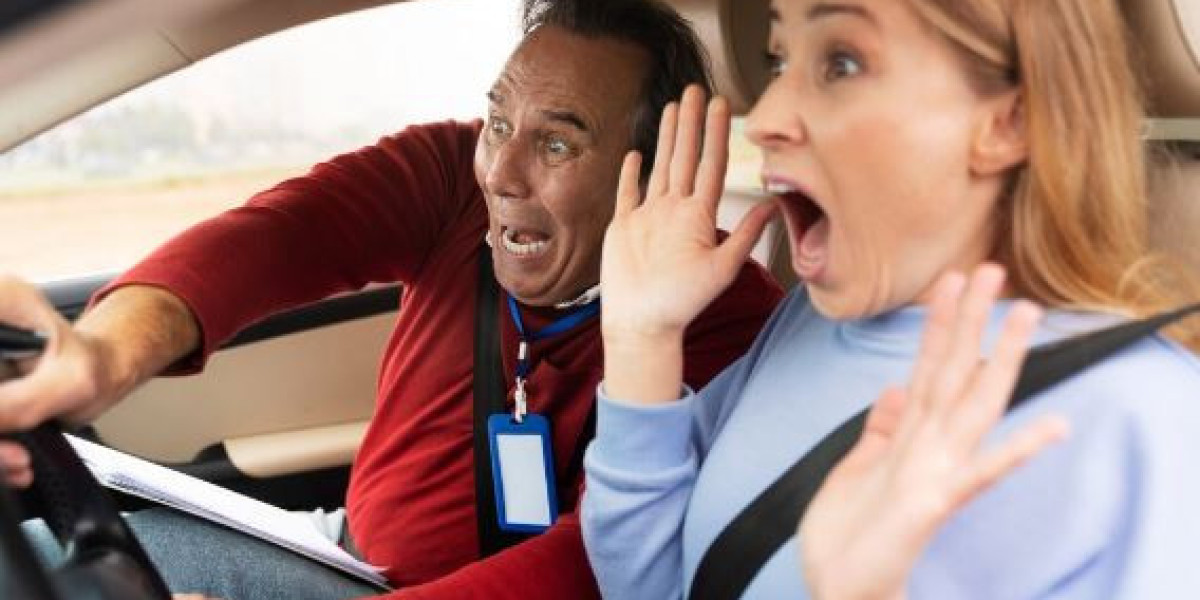

Driving in Ohio can be an enjoyable experience, whether you're commuting through Columbus, navigating Cleveland traffic, or traveling along Interstate 70 and Interstate 75. However, increasing traffic congestion, construction zones, tight schedules, and distracted driving can create frustration behind the wheel. In 2026, avoiding road rage is more important than ever, as aggressive driving remains a major contributor to crashes and dangerous road incidents. According to safety organizations, behaviors such as speeding, tailgating, improper lane changes, and hostile gestures can quickly escalate into serious confrontations.
The good news is that road rage is preventable. By adopting a calm mindset and practicing defensive driving techniques, Ohio drivers can stay safe and help create a more respectful driving environment.Explore Horizon Driving School in Ohio, USA .
Understanding Road Rage
Road rage occurs when anger or frustration causes a driver to behave aggressively or violently toward others on the road. It can begin with minor irritations such as being cut off, encountering slow traffic, or dealing with a driver who fails to signal. In extreme situations, road rage can lead to dangerous confrontations, property damage, injuries, or even criminal charges.
Common signs of road rage include:
- excessive speeding
- Tailgating
- Weaving through traffic
- Yelling or cursing at other drivers
- Repeated horn honking
- Flashing headlights aggressively
- Making rude gestures
- Purposely blocking or cutting off vehicles
Recognizing these behaviors is the first step toward preventing them.
Plan Your Trips Ahead of Time
One of the simplest ways to avoid road rage is to reduce stress before you even start driving.
Ohio drivers often experience delays caused by road construction, rush-hour traffic, weather conditions, and accidents. Leaving late can create pressure that increases impatience and frustration.
Before heading out:
- Check traffic updates.
- Allow extra travel time.
- Identify alternate routes.
- Fuel your vehicle beforehand.
- Set your GPS before driving.
Traffic safety experts consistently recommend planning ahead because rushing is one of the most common triggers of aggressive driving.
Don't Take Other Drivers Personally
One of the biggest causes of road rage is assuming another driver's actions were intentional.
The driver who cut you off may not have seen you. The person driving slowly may be unfamiliar with the area. Someone who hesitates at a green light may be distracted or dealing with an emergency.
Instead of viewing every mistake as a personal attack, try to give other drivers the benefit of the doubt. Safety experts recommend focusing on your own driving rather than dwelling on the actions of others.
When you stop taking mistakes personally, your emotional response becomes much easier to manage.
Practice Defensive Driving
Defensive driving is one of the most effective ways to reduce anger behind the wheel.
Maintain a safe following distance and avoid putting yourself in situations that can lead to conflict. If another driver behaves aggressively, create space rather than competing with them.
Good defensive driving habits include:
- Maintaining a safe following distance.
- Using turn signals consistently.
- Checking blind spots before changing lanes.
- Obeying speed limits.
- Avoiding sudden braking.
- Remaining alert to changing road conditions.
These habits not only reduce crash risks but also minimize situations that commonly trigger road rage.
Stay Calm During Traffic Congestion
Traffic jams are unavoidable in many parts of Ohio, especially during peak commuting hours.
Instead of viewing delays as a personal inconvenience, accept them as part of the journey. Getting angry will not make traffic move faster.
Many safety organizations recommend:
- Listening to relaxing music.
- Enjoying podcasts or audiobooks.
- Focusing on safe driving.
- Keeping your attention on the road rather than surrounding frustrations.
Relaxation techniques can significantly reduce stress and help prevent emotional reactions during long delays.
Avoid Aggressive Responses
When another driver acts aggressively, your reaction often determines whether the situation escalates.
Never respond with:
- Angry gestures
- Excessive horn use
- Flashing headlights
- Yelling
- Brake-checking
- Racing
Experts consistently warn that retaliation often turns a minor incident into a dangerous confrontation. The safest response is to ignore the behavior and continue driving responsibly.
Remember: winning an argument on the road is never worth risking your safety.
Avoid Eye Contact With Aggressive Drivers
Many drivers don't realize that direct eye contact can be interpreted as a challenge during a road rage incident.
If you encounter an angry driver:
- Keep your eyes on the road.
- Avoid staring.
- Do not respond to gestures.
- Stay focused on driving safely.
Law enforcement agencies and driving experts often recommend avoiding eye contact because it can unintentionally escalate conflicts.
Move Away From Aggressive Drivers
If someone is tailgating you or driving aggressively nearby, do not compete with them.
Correct:
- Safely change lanes if possible.
- Allow them to pass.
- Increase following distance.
- Stay out of their way.
Giving aggressive drivers space reduces the likelihood of a confrontation and helps protect you from potential collisions. Traffic safety authorities recommend creating distance rather than engaging with aggressive motorists.
Know What to Do If You're Being Followed
Although rare, some road rage incidents escalate when an angry driver begins following another vehicle.
If this happens:
- Do not drive home.
- Keep your doors locked.
- Call 911 if you feel threatened.
- Drive to a police station or a busy public location.
- Stay inside your vehicle if possible.
Ohio law enforcement agencies have repeatedly emphasized the importance of avoiding direct confrontation and seeking help immediately when personal safety is at risk.
Manage Your Own Stress
Road rage often begins long before a person enters a vehicle.
Stress from work, family responsibilities, financial concerns, or lack of sleep can make drivers more vulnerable to emotional reactions.
To reduce the risk:
- Get adequate rest.
- Stay hydrated.
- Avoid driving when extremely upset.
- Practice stress-management techniques.
- Take breaks during long trips.
A calm and healthy mindset can dramatically improve your behavior behind the wheel.
Surgery
Avoiding road rage in Ohio during 2026 starts with patience, awareness, and self-control. While you cannot control traffic, weather, or the behavior of other drivers, you can control your own reactions. Planning ahead, practicing defensive driving, staying calm during delays, and struggling to engage with aggressive motorists can significantly improve your safety on Ohio roads.
Every driver encounters frustrating situations. The difference between a safe trip and a dangerous confrontation often comes down to one simple choice: responding with patience instead of anger. By keeping your emotions in check and focusing on safety, you can help make Ohio's roads safer for everyone.