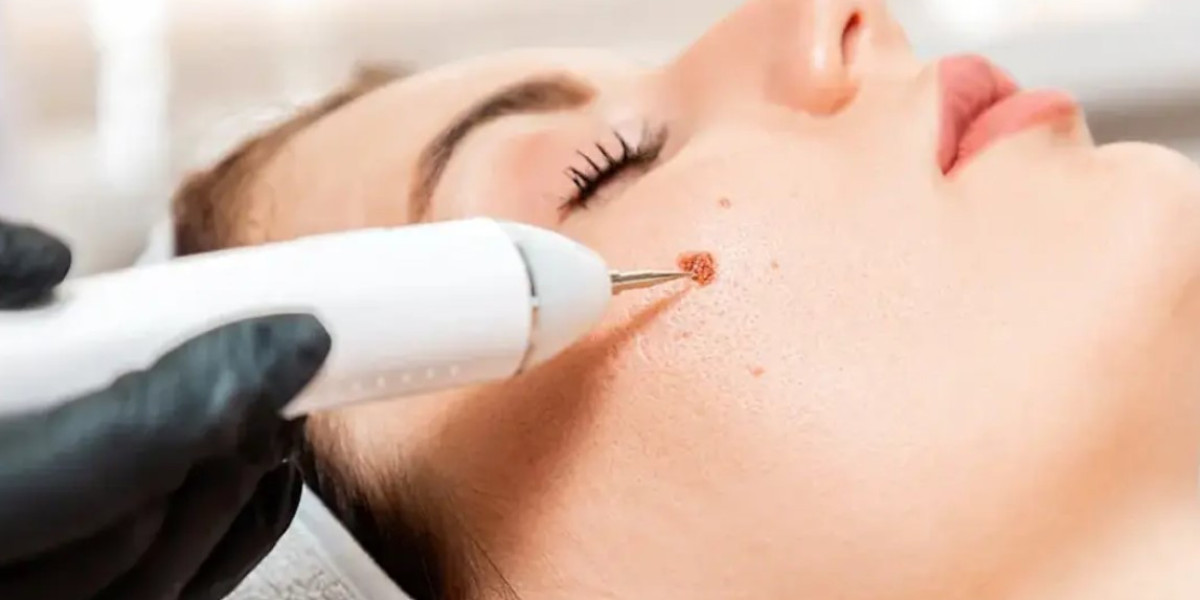

Mole Removal for Sensitive Skin Areas
Mole removal in sensitive skin areas requires extra care because these regions are more delicate, reactive, and prone to irritation or visible scarring. With proper technique and aftercare, however, mole removal in these areas is generally safe and well-tolerated. Mole Removal in Riyadh is a safe and effective procedure for addressing both cosmetic concerns and medically suspicious skin growths.
This guide explains how mole removal is handled in sensitive areas and what to expect during healing.
What Are Sensitive Skin Areas?
Sensitive skin areas are parts of the body where the skin is thinner, more delicate, or exposed to frequent movement and friction.
Common sensitive areas include:
- Face (especially around eyes and lips)
- Neck
- Underarms
- Groin region
- Chest (upper area)
These regions often require more precise techniques and careful healing management.
Why Extra Care Is Needed
Mole removal in sensitive areas needs special attention because:
- Skin is thinner and more delicate
- Higher risk of visible scarring
- Increased sensitivity to pain and irritation
- Frequent movement can affect healing
- Greater exposure to friction or moisture
Proper technique helps minimize complications and improve cosmetic outcomes.
Common Safe Removal Methods for Sensitive Areas
1. Shave Excision (Surface Moles)
Often used for raised, non-deep moles.
Why it is used:
- Minimal depth of skin involvement
- No stitches required
- Quick healing
Best for: Small, raised benign moles on face or neck
2. Surgical Excision (Deeper or Suspicious Moles)
Used when complete removal is needed.
Why it is used:
- Ensures full mole removal
- Allows laboratory testing
- Reduces recurrence risk
Best for: Deeper or changing moles in sensitive regions
3. Laser Removal (Selected Cases)
Used for very superficial cosmetic moles.
Why it is used:
- Minimal bleeding
- Precise targeting
- Good cosmetic results in selected cases
Best for: Flat or lightly pigmented cosmetic lesions
Pain and Comfort in Sensitive Areas
Because these areas are more sensitive:
- Local anesthesia is always used
- You may feel a small injection sting
- No pain is felt during the actual removal
- Mild tenderness may occur after the procedure
Discomfort is usually short-term and manageable.
Healing Expectations
Healing in sensitive areas may differ slightly:
- Face: Heals faster but may show temporary redness
- Neck: May experience mild tightness due to movement
- Underarms/groin: Higher moisture may slow drying
- Chest: May show temporary pigmentation changes
Most healing improves significantly within 1–3 weeks depending on the method used.
Possible Risks in Sensitive Areas
Although complications are uncommon, they may include:
- Temporary redness or swelling
- Mild scarring or pigmentation changes
- Itching during healing
- Sensitivity to clothing friction
Careful aftercare reduces these risks significantly.
Aftercare Tips for Sensitive Areas
To support safe healing:
- Keep the area clean and dry
- Avoid tight or rough clothing
- Do not scratch or rub the site
- Protect from sun exposure (especially face and neck)
- Follow all post-care instructions carefully
- Use gentle skincare only when fully healed
When to Be More Cautious
Extra evaluation is important if the mole:
- Changes in size, color, or shape
- Bleeds or becomes painful
- Looks different from surrounding moles
- Appears suddenly in adulthood
Sensitive areas should never be treated at home.
Conclusion
Mole removal in sensitive skin areas such as the face, neck, and underarms is safe when done using appropriate medical techniques. Because these areas are more delicate, careful evaluation, precise removal methods, and proper aftercare are essential for good healing and minimal scarring.