
Recovery Tips for Sensitive Skin After Tattoo Removal
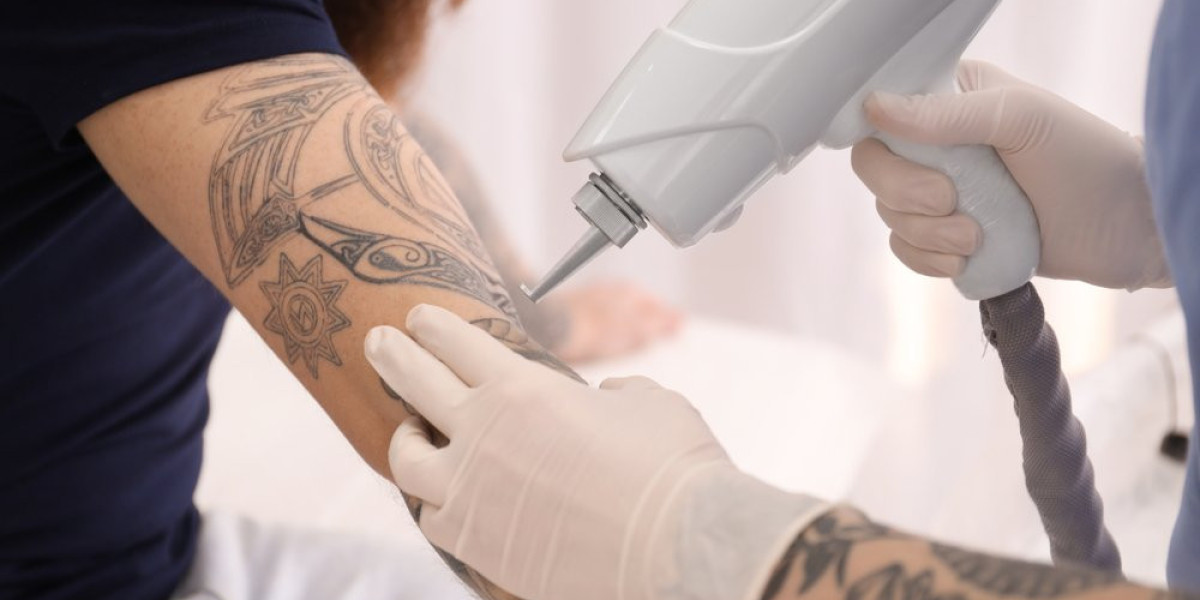
Tattoo removal can be highly effective with modern laser technology, especially in clinics in Riyadh, but skin recovery is just as important as the procedure itself. For people with sensitive skin, the healing process requires extra care to avoid irritation, pigmentation changes, or prolonged redness. Tattoo removal in Riyadh has become increasingly popular as more people seek safe and effective ways to fade or completely remove unwanted ink from their skin.
Sensitive skin reacts more strongly to heat, light, and external products, which means aftercare must be gentle, consistent, and well-managed. In this guide, we’ll cover practical recovery tips to help sensitive skin heal safely and efficiently after tattoo removal.
Understanding Sensitive Skin After Laser Treatment
Laser tattoo removal works by delivering targeted energy into the skin to break ink particles. After treatment, the skin naturally becomes:
- Red
- Warm
- Slightly swollen
- More reactive than usual
For sensitive skin types, these effects may appear more intense or last slightly longer. This is normal, but proper care is essential to prevent complications.
1. Cool the Skin Immediately After Treatment
One of the most important first steps is cooling the treated area.
Why it helps:
- Reduces inflammation
- Soothes burning sensation
- Minimizes swelling
Safe cooling methods:
- Cold compress (wrapped in cloth, not direct ice)
- Cooling gels recommended by your clinic
- Short, repeated cooling sessions
Avoid applying ice directly to the skin, as it can worsen sensitivity.
2. Keep the Area Clean and Dry
Cleanliness is crucial to prevent infection and irritation.
Best practices:
- Gently wash with mild, fragrance-free soap
- Pat dry (do not rub)
- Keep the area clean throughout the healing phase
What to avoid:
- Harsh cleansers
- Alcohol-based products
- Scrubbing or exfoliating
Sensitive skin is more prone to irritation, so simplicity is key.
3. Avoid Touching or Scratching the Area
After laser treatment, it’s common for the skin to feel itchy or tight.
Important:
Do not scratch, rub, or pick at the area.
Why:
- Prevents infection
- Reduces risk of scarring
- Supports natural healing
For sensitive skin, even light friction can delay recovery or cause irritation spots.
4. Moisturize with Gentle Products
Hydration supports skin repair, but product choice matters greatly.
Recommended:
- Fragrance-free moisturizers
- Aloe vera-based gels
- Dermatologist-approved healing creams
Avoid:
- Strong active ingredients (retinol, acids)
- Perfumed lotions
- Heavy oily products that clog pores
Apply in a thin layer only as directed.
5. Strict Sun Protection Is Essential
Sun exposure is one of the biggest risks during recovery, especially for sensitive skin.
Risks:
- Hyperpigmentation (dark spots)
- Irritation flare-ups
- Delayed healing
Protection steps:
- Avoid direct sunlight completely for a few days
- Use SPF 30–50 sunscreen once allowed
- Cover the area with clothing when outdoors
In sunny climates like Riyadh, this step is especially important.
6. Avoid Heat Exposure
Heat can worsen inflammation in sensitive skin.
Avoid:
- Hot showers
- Saunas and steam rooms
- Intense workouts immediately after treatment
Why:
Heat increases blood flow to the area, which can intensify redness and swelling.
7. Wear Loose and Breathable Clothing
Friction is a common cause of irritation during healing.
Best clothing choices:
- Soft cotton fabrics
- Loose-fitting sleeves or pants
- Breathable materials
Avoid:
- Tight clothing over the treated area
- Rough or synthetic fabrics
This helps prevent rubbing and skin stress.
8. Avoid Makeup or Harsh Skin Products on the Area
If the tattoo is in a visible area like arms or neck, avoid applying cosmetics during healing.
Avoid:
- Makeup
- Perfumes
- Strong skincare products
These can irritate sensitive skin and slow down recovery.
9. Do Not Pick Scabs or Blisters
In some cases, small scabs or blisters may form.
Important rule:
Let them heal naturally.
Why:
- Prevents permanent scarring
- Reduces infection risk
- Ensures smooth healing
Sensitive skin is especially vulnerable to texture changes if healing is disturbed.
10. Stay Hydrated and Support Healing from Within
Internal hydration plays a key role in skin recovery.
Benefits:
- Improves skin elasticity
- Supports immune response
- Helps remove broken ink particles
Tips:
- Drink plenty of water daily
- Maintain a balanced diet
- Avoid excessive caffeine or dehydration
Good internal health supports faster and smoother recovery.
11. Follow Your Dermatologist’s Instructions Closely
Every clinic may provide specific aftercare instructions based on:
- Laser type used
- Skin sensitivity level
- Tattoo condition
Always follow personalized guidance, especially for sensitive skin, as it helps prevent complications.
12. Watch for Unusual Reactions
Some redness and swelling are normal, but certain symptoms require attention.
Normal reactions:
- Mild redness
- Slight swelling
- Temporary warmth
Warning signs:
- Increasing pain after 48 hours
- Pus or unusual discharge
- Severe blistering
- Persistent dark or raised marks
If these occur, contact your clinic immediately.
Conclusion
Recovery after tattoo removal requires careful attention, especially for sensitive skin. While modern laser treatments used in Riyadh are designed to be safe and effective, proper aftercare is essential to ensure smooth healing and avoid complications.
Key recovery principles include keeping the skin cool, clean, and protected from sun exposure, while avoiding irritation, heat, and harsh products. Supporting the body through hydration and gentle care further improves healing outcomes.