
Genioplasty in Riyadh: A Deep Dive into Bone-Shaving and Contouring Procedures
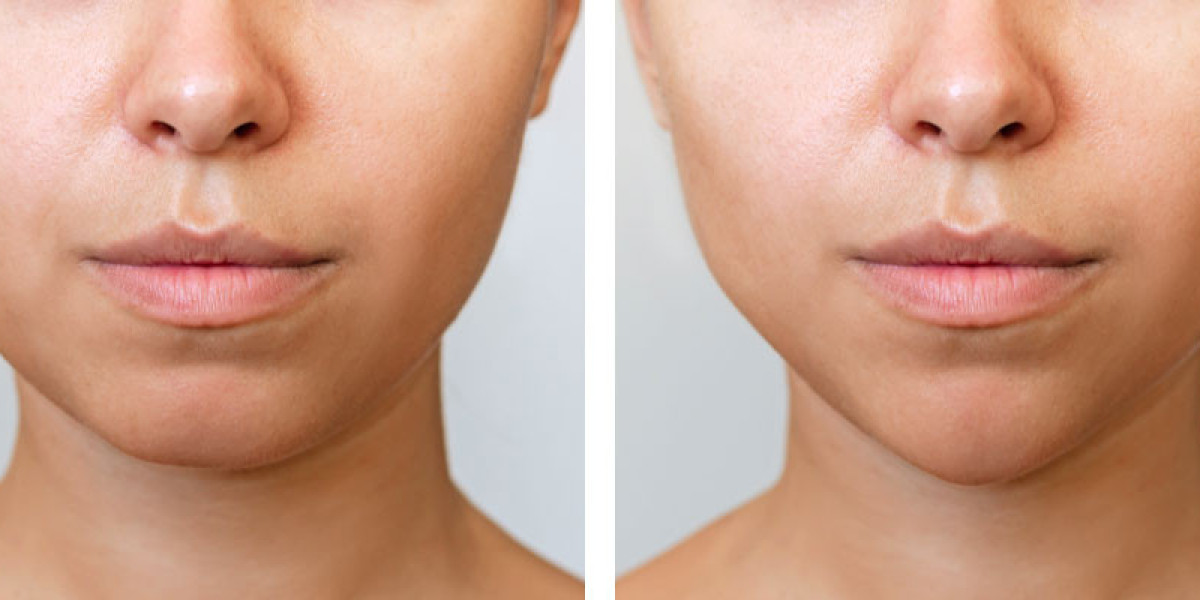
The structure of the lower face acts as the visual anchor for all other facial features, heavily influencing the perceived balance of the nose, lips, and cheekbones. When the mandibular bone—specifically the chin point—is overdeveloped, excessively wide, or projects too far forward, it can create a harsh, heavy, or elongated profile. While non-surgical options like dermal fillers are excellent for adding volume, they are fundamentally incapable of reducing physical mass. For individuals seeking to permanently downsize a dominant jaw structure, undergoing a Chin Reduction in Riyadh via a reduction genioplasty provides a highly sophisticated, surgically precise method to sculpt a softer, more balanced, and naturally proportioned lower face.
A reduction genioplasty is a specialized form of orthognathic and aesthetic surgery that directly modifies the skeletal framework of the chin. It is a highly bespoke procedure that combines clinical precision with an artistic understanding of facial harmony. By physically altering the bone rather than adjusting the overlying soft tissues, it provides a definitive, lifelong correction that integrates seamlessly with an individual’s natural anatomy, allowing their other features to shine without being overshadowed by a prominent lower jaw.
Advanced Surgical Modalities: Shaving vs. Sliding Osteotomy
To achieve a natural-looking and structurally sound reduction, surgeons utilize advanced bone-contouring techniques tailored strictly to the patient's three-dimensional skeletal anatomy. Performed under general anesthesia to ensure a completely painless and safe experience, the procedure typically follows one of two primary mechanical pathways depending on the nature of the bone excess.
1. Bone-Shaving and Sculpting (Burring)
For individuals whose primary concern is an overly wide, square, or blocky chin point, the bone-shaving technique is highly effective. The surgeon utilizes specialized, ultra-precise medical burs to gently file down the outer cortical layer of the mandibular bone. This method focuses on smoothing out sharp angles and narrowing the lateral borders of the chin, effectively transforming a heavy, broad jawline into a softer, more tapered oval or heart-shaped contour.
2. Reduction Sliding Osteotomy
When the chin presents with significant vertical excess (making the face look too long) or extreme horizontal projection (creating a jutting profile), shaving alone is insufficient. In these cases, a sliding osteotomy is performed. The surgeon makes a precise, horizontal cut through the chin bone using specialized sonic or microscopic saws. A predetermined segment of the bone is completely removed to shorten the face, or the detached lower segment is slid backward along a calculated plane to reduce projection.
Internal Access: The Preservation of Facial Aesthetics
A major priority of modern genioplasty is absolute cosmetic discretion. To ensure that the face shows no outward signs of a major structural modification, surgeons almost exclusively employ an intraoral surgical approach.
INTRAORAL SURGICAL PATHWAY │ ▼ [Incision Inside Lower Lip] │ ▼ [Direct Subperiosteal Access] (Lifts muscle away from bone safely) │ ▼ [Skeletal Modification] (Precision Burring or Osteotomy) │ ▼ [Rigid Biocompatible Fixation] (Tiny plates/screws stabilize bone) │ ▼ [Self-Dissolving Internal Sutures] (No external scars created)By placing the incision entirely within the mucosal lining inside the mouth, behind the lower lip, there is absolutely no risk of external facial scarring. This internal gateway allows direct visualization of the mandibular framework, enabling the surgeon to sculpt the bone with millimeter-level accuracy while protecting the surrounding delicate soft tissues.
Stabilization and Post-Operative Structural Recovery
Once the bone has been meticulously reshaped or repositioned via an osteotomy, it must be completely stabilized to ensure safe, healthy bone fusion. The mobilized bone segment is secured into its new, harmonious position using rigid internal fixation—specifically tiny, medical-grade titanium plates and screws. These components are completely biocompatible, designed to remain permanently and comfortably embedded within the skeleton without triggering any adverse reactions.
Following the closure of the internal incision with self-dissolving sutures, a dedicated recovery phase begins. Because bone tissue has been modified, patients will experience localized swelling, minor bruising, and a feeling of tightness or temporary numbness in the lower lip. This numbness occurs because the mental nerves, which supply sensation to the lower lip, are gently retracted during the procedure; normal feeling returns gradually over the following weeks as the nerves settle. Following a strict soft-food diet, maintaining rigorous oral hygiene with prescribed antiseptic rinses, and keeping the head elevated are essential steps during the first fort-night. While major healing takes place within two weeks, the refined, contoured jawline will continue to sharpen over three to six months, delivering a permanently elegant profile.