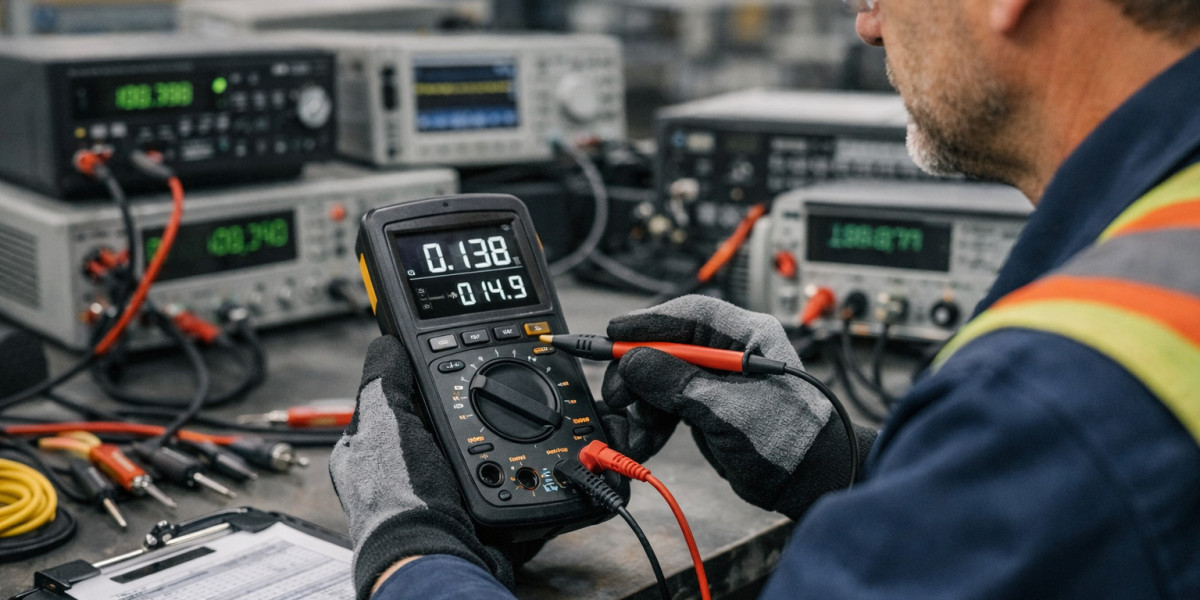

Accurate measurements are important when working with electrical systems, electronic equipment, and industrial devices. A multimeter is one of the most commonly used tools for checking voltage, current, and resistance. Over time, even a high-quality multimeter can lose accuracy because of regular use, environmental conditions, or accidental damage. This is why multimeter calibration services in Dubai are important for maintaining reliable measurements and helping users identify errors before they affect their work.
Inconsistent Measurement Readings
One of the first signs that a multimeter may need recalibration is inconsistent readings. If you measure the same electrical source several times and receive different results each time, the device may no longer be providing accurate data.
Small variations can occur naturally, but large differences often indicate that the internal measurement system is drifting from its original calibration settings. When readings become unreliable, it becomes difficult to make informed decisions during testing and maintenance work.
Measurements Do Not Match Known Values
A simple way to check a multimeter's performance is by comparing its readings with a known reference source. For example, if a battery with a known voltage produces a significantly different reading on the multimeter, the instrument may require recalibration.
When measured values consistently differ from expected values, it can indicate that the device has lost accuracy over time. Regular verification helps detect this problem before it affects important inspections or troubleshooting tasks.
The Device Has Been Dropped or Impacted
Physical damage is another common reason for recalibration. Multimeters are often used in busy work environments where accidental drops can happen. Even if the device appears normal on the outside, internal components may have shifted or become damaged.
A strong impact can affect the accuracy of sensors and electronic circuits. After any significant drop or shock, it is a good practice to verify the instrument's performance and consider recalibration if necessary.
Exposure to Extreme Temperatures
Environmental conditions can influence the accuracy of measuring instruments. Frequent exposure to very high or very low temperatures may affect the internal electronics of a multimeter.
Temperature changes can cause component drift, which may lead to incorrect readings. Instruments used in outdoor locations, industrial facilities, or areas with changing weather conditions should be checked regularly to ensure dependable performance.
Long Periods Without Calibration
Every measuring instrument should follow a calibration schedule. If a multimeter has not been calibrated for an extended period, there is a greater chance that its accuracy has changed.
Manufacturers often recommend calibration intervals based on usage and operating conditions. Ignoring these intervals can increase measurement uncertainty and reduce confidence in the results obtained from the device.
Unusual Display or Performance Issues
Performance problems can also indicate the need for inspection and recalibration. Signs may include unstable readings, slow response times, unexpected display behavior, or values that fluctuate without any clear reason.
While some issues may be related to batteries or general maintenance, they can also signal deeper accuracy concerns. Investigating these symptoms early helps prevent larger problems later.
Frequent Use in Demanding Work Environments
Multimeters used daily in industrial, manufacturing, maintenance, or testing environments experience more wear than instruments used occasionally. Frequent handling, transportation, and exposure to dust or moisture can gradually affect performance.
Heavy usage increases the possibility of calibration drift. Instruments that are used regularly for critical measurements should be closely monitored to maintain consistent accuracy.
Results Difference from Other Calibrated Instruments
Another warning sign appears when two instruments measure the same source but produce noticeably different results. If a calibrated reference device provides one value while your multimeter shows another, the multimeter may need recalibration.
Comparing instruments can help identify hidden accuracy issues that may not be obvious during routine use. This method is often used as part of regular equipment verification programs.
Changes After Repairs or Battery Replacement
Whenever a multimeter undergoes repairs or internal component replacement, its measurement accuracy should be verified. Changes to electronic parts can influence performance and create small measurement deviations.
Although battery replacement alone does not always require recalibration, it is still helpful to confirm that the instrument is functioning correctly after maintenance activities.
Importance of Maintaining Measurement Accuracy
Accurate measurements support safer operations, better troubleshooting, and improved equipment performance. An accurate multimeter can lead to incorrect decisions, wasted time, and unnecessary maintenance work.
By paying attention to warning signs such as inconsistent readings, physical impacts, environmental exposure, and overdue calibration schedules, users can identify potential problems early. Regular checks help ensure that measurement instruments continue to perform as expected. For organizations and professionals who depend on reliable electrical testing, multimeter calibration services in Dubai play an important role in supporting accurate and dependable measurement results.