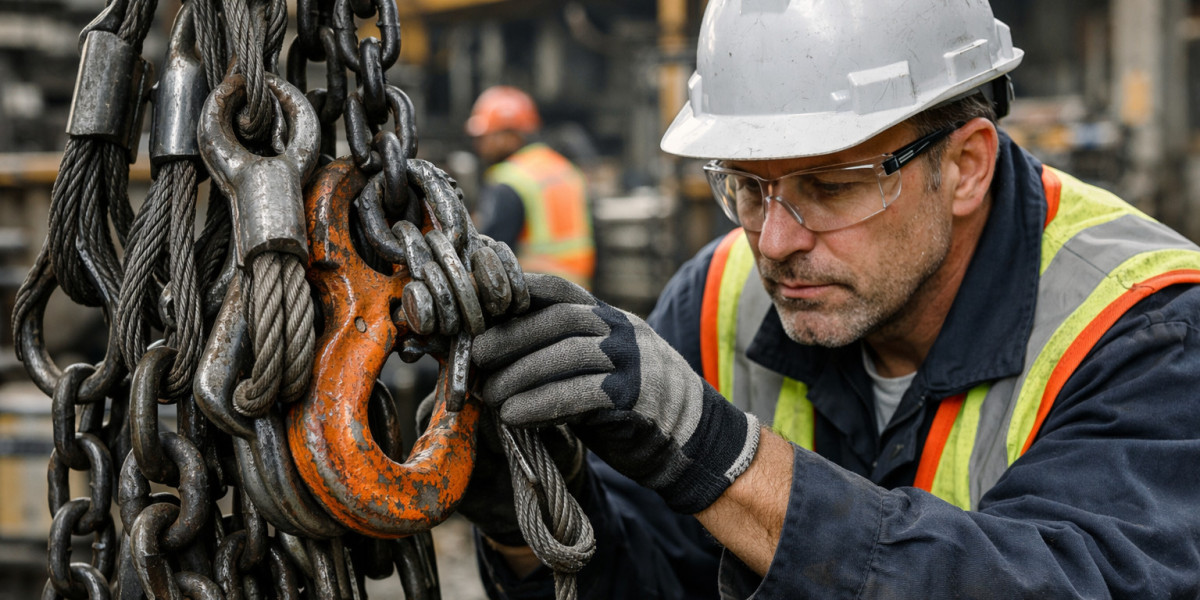

Lifting equipment plays an important role in construction sites, warehouses, manufacturing facilities, and many other workplaces. Regular inspections help ensure that equipment remains safe and functional. Lifting Equipment Inspection Services in Abu Dhabi are often used to identify issues before they develop into serious problems. However, equipment operators and site managers should also be aware of warning signs that may indicate the need for an immediate inspection.
Visible Damage on Equipment Components
One of the most common signs that lifting equipment requires immediate attention is visible damage. Cracks, dents, bent parts, excessive rust, and corrosion can weaken important components. Even small signs of damage should not be ignored because they may affect the equipment's ability to handle loads safely.
Hooks, chains, wire ropes, lifting beams, and other load-bearing parts should be checked regularly. If any component appears damaged, an inspection should be carried out before the equipment is used again. Early identification of structural problems helps reduce the possibility of equipment failure.
Unusual Noises During Operation
Lifting equipment normally operates with predictable sounds. Grinding, squeaking, clicking, or other unusual noises may indicate internal wear or mechanical problems. These sounds can come from gears, bearings, motors, pulleys, or moving parts that require attention.
When unusual noises appear suddenly or become louder over time, they should be investigated immediately. Continuing to operate equipment without understanding the source of the noise can increase wear and create additional safety concerns.
Difficulty Lifting or Lowering Loads
Equipment that struggles to lift, hold, or lower loads may have a developing mechanical issue. Reduced lifting performance can be caused by worn components, hydraulic problems, damaged cables, or other faults.
Operators may notice slower lifting speeds, inconsistent movement, or difficulty controlling the load. These signs suggest that the equipment is not functioning as intended and should be inspected as soon as possible. Prompt evaluation can help identify the root cause before the problem becomes more serious.
Excessive Wear on Chains and Wire Ropes
Chains and wire ropes are critical parts of many lifting systems. Over time, these components naturally experience wear due to regular use. However, excessive wear should never be ignored.
Signs such as broken wire strands, stretching, twisting, kinks, corrosion, or worn chain links can indicate that the equipment needs immediate inspection. Since these components directly support loads, their condition plays a major role in safe lifting operations.
Regular visual checks can help detect wear early and support better maintenance planning.
Hydraulic Fluid Leaks
Many lifting machines rely on hydraulic systems for smooth operation. Hydraulic fluid leaks can affect equipment performance and indicate internal system problems.
Small leaks may appear around hoses, fittings, cylinders, or connectors. While a leak may seem minor at first, it can lead to pressure loss and reduced lifting capability. In some situations, leaks may also create slipping hazards in the work area.
Whenever hydraulic fluid is found around equipment, an inspection should be arranged to determine the cause and assess the condition of the system.
Unexpected Movements or Instability
Lifting equipment should move in a controlled and stable manner. Sudden jerks, uneven movement, swinging loads, or instability during operation may indicate mechanical or structural issues.
Unexpected movement can make load handling more difficult and increase the risk of accidents. Equipment should be inspected whenever operators notice behavior that differs from normal operating conditions.
Paying attention to these changes can help identify hidden problems that may not be visible during routine visual checks.
Safety Devices Not Working Properly
Modern lifting equipment often includes safety features such as load limiters, emergency stop controls, warning alarms, and locking mechanisms. These devices are designed to support safe operation and help prevent unsafe conditions.
If any safety feature fails to function correctly, the equipment should be inspected immediately. Even when the lifting mechanism appears to work normally, a malfunctioning safety device may increase operational risks.
Routine testing of safety systems helps ensure that all protective features remain reliable when needed.
Missed Inspection or Maintenance Schedules
Inspection and maintenance schedules are created to monitor equipment condition over time. If scheduled inspections are missed or maintenance records are incomplete, the actual condition of the equipment may become uncertain.
In such cases, an inspection is often necessary to verify that all components remain safe and functional. Regular inspections provide valuable information about wear patterns, equipment performance, and maintenance needs.
Keeping accurate records also helps support long-term equipment reliability and safe workplace operations.
Signs of Overloading
Lifting equipment is designed to handle specific load limits. Evidence of overloading can appear in different forms, including bent components, stretched chains, damaged hooks, or unusual stress marks.
Even if the equipment continues to operate, overloading may have caused hidden damage that affects future performance. Any suspicion that equipment has been used beyond its intended capacity should lead to an immediate inspection.
Identifying overload-related damage early can help prevent further deterioration and maintain safe operating conditions.
Workplaces that regularly monitor these warning signs can identify equipment issues before they become major concerns. Regular inspections remain an important part of safe lifting operations, and Lifting Equipment Inspection Services in Abu Dhabi help assess equipment condition, identify wear, and support ongoing operational safety.