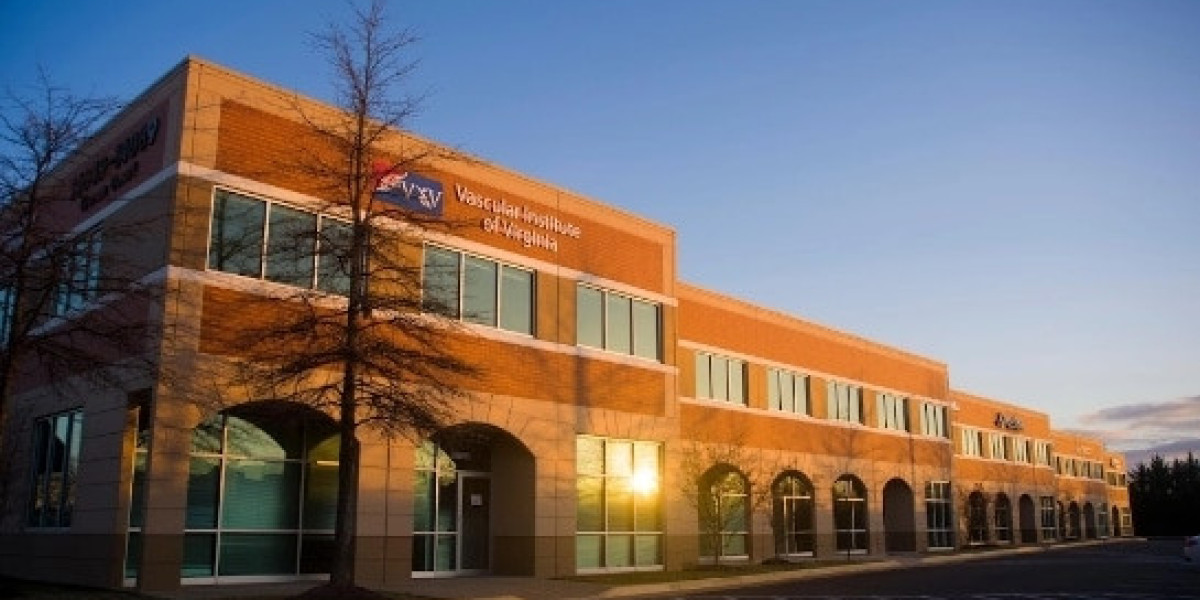

Spider Veins Treatment:
Spider veins are a common vascular condition that affects millions of people worldwide. These small, damaged blood vessels appear close to the skin's surface and often look like red, blue, or purple webs. While they are generally not considered a serious medical issue, spider veins can cause discomfort and affect self-confidence, especially when they appear on the legs or face. Fortunately, modern medical advancements offer several effective options for managing and eliminating these visible veins.
Spider Veins Treatment has become increasingly popular among individuals seeking both cosmetic improvement and relief from symptoms such as aching, burning, or swelling. Thanks to minimally invasive procedures and advanced vascular care techniques, patients can now achieve smoother, healthier-looking skin with little downtime. Understanding the causes, symptoms, and available treatment options can help individuals make informed decisions about their vascular health.
What Are Spider Veins?
Spider veins are small, dilated blood vessels that appear near the surface of the skin. They are typically red, blue, or purple and resemble spider webs or tree branches. Unlike varicose veins, which are larger and bulge above the skin, spider veins are usually flat and smaller in size.
These veins commonly develop on the legs, thighs, ankles, and face. Although they are often considered a cosmetic concern, some individuals may experience symptoms such as discomfort, itching, or a feeling of heaviness in the affected area.
Spider veins occur when tiny valves inside the veins weaken or become damaged. When these valves fail to function properly, blood can pool within the veins, causing them to enlarge and become visible through the skin.
Common Causes of Spider Veins
Several factors contribute to the development of spider veins. Understanding these causes can help reduce the risk of developing new veins in the future.
Genetics
Family history plays a significant role in vein health. If your parents or close relatives have spider veins, you may be more likely to develop them as well.
Aging
As people age, vein walls and valves naturally weaken. This can increase the likelihood of blood pooling and vein enlargement.
Hormonal Changes
Hormonal fluctuations during pregnancy, menopause, or while taking birth control medications can affect vein function and contribute to spider vein formation.
Prolonged Standing or Sitting
Occupations that require long periods of standing or sitting can place additional pressure on leg veins, increasing the risk of spider veins.
Obesity
Excess body weight creates added pressure on the vascular system, which may contribute to vein damage over time.
Sun Exposure
Spider veins on the face are often linked to excessive sun exposure, which can weaken small blood vessels beneath the skin.
Symptoms Associated with Spider Veins
While many people experience no symptoms beyond the visible appearance of spider veins, others may notice:
Aching or throbbing in the legs
Burning sensations
Mild swelling
Itching around affected veins
Leg fatigue after prolonged standing
These symptoms may worsen throughout the day and improve with rest or elevation of the legs.
Why Seek Spider Veins Treatment?
Many individuals pursue treatment for cosmetic reasons, but medical treatment can also improve comfort and prevent worsening symptoms. Untreated vein problems may sometimes indicate underlying circulation issues that require professional evaluation.
Benefits of seeking treatment include:
Improved appearance of the skin
Relief from discomfort and heaviness
Increased confidence and self-esteem
Better overall vascular health
Prevention of future vein complications
Early intervention often leads to better outcomes and a wider range of treatment options.
Most Effective Spider Veins Treatment Options
Modern vascular medicine offers several safe and effective solutions for spider veins.
Sclerotherapy
Sclerotherapy is one of the most commonly performed treatments for spider veins. During this procedure, a specialized solution is injected directly into the affected veins, causing them to collapse and gradually fade from view.
Benefits of sclerotherapy include:
Minimally invasive procedure
Little to no downtime
Excellent cosmetic results
High success rate
Most patients require multiple sessions depending on the number and size of veins being treated.
Laser Therapy
Laser treatment uses focused light energy to target and destroy spider veins without needles or incisions. The treated veins eventually fade and are absorbed by the body.
Laser therapy is particularly effective for:
Small spider veins
Facial veins
Patients seeking non-injection treatments
Radiofrequency and Advanced Vein Procedures
In some cases, advanced vascular techniques may be recommended when spider veins are associated with underlying venous insufficiency. These procedures address the root cause of vein dysfunction and help prevent recurrence.
Recovery After Treatment
Recovery from most spider vein treatments is relatively quick. Patients can often return to normal activities immediately after their procedure.
To maximize results, physicians may recommend:
Wearing compression stockings
Walking regularly
Avoiding prolonged standing
Limiting intense exercise for a few days
Following all post-treatment instructions
Visible improvement may occur within weeks, although complete results can take several months depending on the treatment method used.
Preventing Future Spider Veins
While not all spider veins can be prevented, certain lifestyle changes may help reduce the risk of developing new ones.
Healthy Prevention Tips
Maintain a healthy weight
Exercise regularly
Elevate your legs when resting
Avoid sitting or standing for long periods
Wear compression stockings if recommended
Protect your skin from excessive sun exposure
These habits promote healthy circulation and support long-term vein health.
When to See a Vein Specialist
If spider veins are causing discomfort, worsening over time, or affecting your quality of life, it may be time to consult a vascular specialist. A comprehensive evaluation can determine whether an underlying vein condition is contributing to your symptoms and identify the most appropriate treatment plan.
Early diagnosis and treatment can improve both cosmetic and medical outcomes while helping patients avoid future complications.
Conclusion
Spider veins are a common condition that can impact both appearance and comfort. Fortunately, modern treatment options such as sclerotherapy and laser therapy provide safe, effective, and minimally invasive solutions. Whether your goal is to improve the appearance of your skin or relieve symptoms associated with vein dysfunction, professional care can help you achieve lasting results. Consulting experienced specialists at a trusted Vascular Institute can ensure you receive personalized treatment designed to support your vascular health and overall well-being.
Frequently Asked Questions (FAQs)
1. What causes spider veins to appear?
Spider veins typically develop due to weakened vein valves, genetics, aging, hormonal changes, prolonged standing, obesity, or sun exposure.
2. Is spider veins treatment painful?
Most treatments involve minimal discomfort. Patients may feel a slight sting during injections or a warming sensation during laser therapy.
3. How long does it take to see results?
Many patients notice improvement within a few weeks, while full results may take several months depending on the treatment.
4. Are spider veins dangerous?
Spider veins are usually harmless, but they can sometimes indicate underlying venous issues that should be evaluated by a specialist.
5. Can spider veins come back after treatment?
Treated veins typically do not return, but new spider veins can develop over time due to genetics or lifestyle factors.
6. Who is a good candidate for spider veins treatment?
Most healthy adults with visible spider veins and realistic expectations are good candidates for treatment after a professional evaluation.