
Genetic Predisposition and Environmental Triggers: Insights into Riyadh’s Birth Defect Patterns
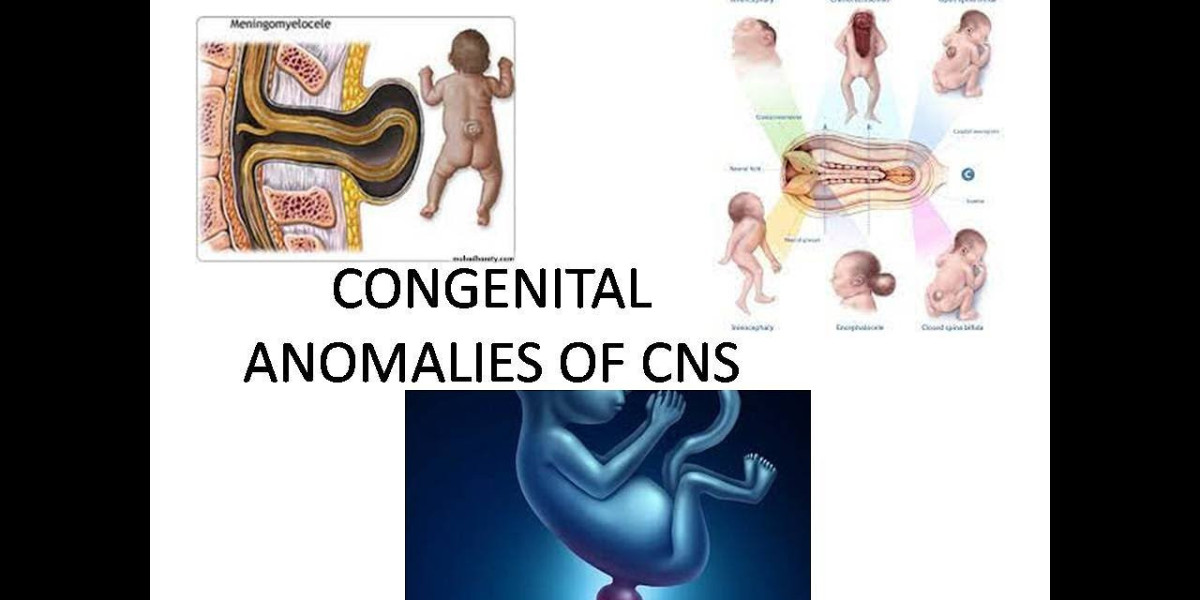
Congenital Anomalies in Riyadh are defined by a complex interplay between a high-prevalence genetic landscape and emerging environmental concerns. As the capital city continues to develop, the medical community has shifted its focus toward untangling the specific contributions of these factors to neonatal morbidity. While hereditary conditions have historically dominated the epidemiological profile of the region, contemporary research is increasingly highlighting the significant, and potentially modifiable, role of environmental and maternal health exposures.
The Genetic Predominance
The most striking feature of the birth defect landscape in Riyadh is the heavy influence of heredity, primarily driven by the high rate of consanguineous marriage, which ranges between 42% and 67% of all partnerships. This practice increases the likelihood of homozygosity for autosomal recessive genes, a mechanism that significantly elevates the risk of both metabolic and structural anomalies.
Hereditary Clusters: Clinical data from tertiary hospitals consistently show high frequencies of inborn errors of metabolism and complex syndromic malformations that are rare in populations with lower consanguinity rates.
The Inbreeding Coefficient: The direct correlation between the inbreeding coefficient and the incidence of congenital anomalies remains one of the most reliable predictors of birth defects in the Saudi population. Genetic counseling and pre-marital screening programs are the primary public health tools used to address this, aiming to provide families with accurate recurrence risks and reproductive options.
The Emerging Role of Environmental Triggers
While genetics provide the "predisposition," environmental factors act as the "trigger" for many structural anomalies. Recent studies are increasingly drawing attention to the role of maternal environment and lifestyle exposures in the capital.
Pollution and Chemical Exposure: Emerging evidence suggests that environmental factors such as air pollution, exposure to heavy metals, and localized chemical contaminants may contribute to the incidence of Congenital Heart Defects (CHD). Comparative analyses have indicated that children with CHDs often present with higher reported histories of exposure to these environmental stressors compared to control groups.
Maternal Health Comorbidities: Diabetes mellitus (both pre-gestational and gestational) and maternal obesity represent the most significant "internal" environmental triggers. These conditions create a metabolic environment during organogenesis that can disrupt normal fetal development, leading to a higher prevalence of cardiac, neural tube, and limb malformations.
Nutritional Factors: Dietary inadequacies, particularly concerning folic acid and iron, remain critical modifiable triggers. Despite widespread availability, gaps in maternal nutrition and the timing of supplementation remain key areas for public health intervention.
The Complex Interaction: Gene-Environment Synergy
The most nuanced insight from current research in Riyadh is that the two categories rarely operate in isolation. In many cases, a child may have a genetic predisposition that makes them uniquely vulnerable to environmental stressors during critical windows of development.
Synergistic Risk: A fetus with a mild genetic variant affecting cardiac development may remain asymptomatic unless exposed to a specific environmental trigger—such as poorly controlled maternal hyperglycemia or environmental toxins—which then "tips the balance" toward a clinically significant structural defect.
Prevention Paradigms: This synergy explains why preventive programs are becoming more holistic. It is no longer sufficient to focus solely on genetic screening; the modern approach in Riyadh integrates these screenings with rigorous maternal health monitoring (glucose control, BMI management, and nutrition) and public health measures aimed at minimizing environmental exposures.
Strategic Implications for Health Policy
The duality of genetic predisposition and environmental risk requires a multi-layered response from the healthcare system:
Enhanced Surveillance: Moving toward a city-wide, integrated registry that captures both genomic data and maternal environmental/health histories.
Targeted Education: Improving public understanding of "modifiable risks" to bridge the gap between awareness and behavior. While over 50% of the public recognizes the risks of drug use and pollution, only a small fraction of the population demonstrates an excellent understanding of how these factors interact with their unique genetic background.
Proactive Clinical Pathways: Utilizing risk-stratified prenatal care that identifies high-risk couples early, allowing for pre-conception optimization and frequent monitoring for those whose genetic or environmental profiles place their pregnancy at an elevated risk.
By mapping these triggers—both inherited and external—Riyadh’s pediatric and obstetric services are better positioned to move beyond reactive care, aiming for a future where the intersection of genetics and environment is managed through precise, proactive, and personalized medicine.