
Comparing PRP Hair Therapy with Non-Surgical Hair Loss Treatments
Hair loss is a common concern affecting both men and women, and not everyone is ready for surgical options like hair transplants. This has led to the rise of several non-surgical treatments designed to slow hair loss, stimulate regrowth, and improve overall scalp health. Among these, Platelet-Rich Plasma (PRP) therapy has gained significant attention due to its natural and regenerative approach. PRP hair treatment in Riyadh is a popular non-surgical solution that uses platelet-rich plasma to help stimulate natural hair growth and improve hair density.
Understanding how PRP compares with other non-surgical hair loss treatments helps patients choose the most suitable option based on their condition, goals, and expectations.
Understanding PRP Hair Therapy
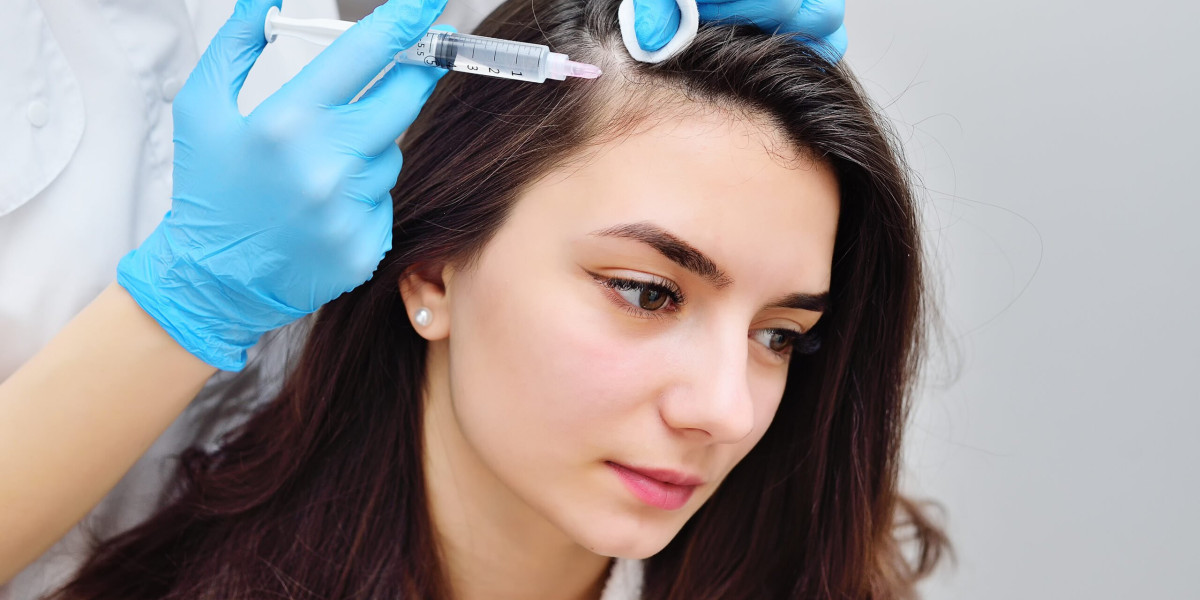
Platelet-Rich Plasma is a procedure where a small amount of blood is drawn, processed in a centrifuge, and injected into areas of the scalp experiencing thinning.
The growth factors in platelets help:
- Stimulate hair follicles
- Improve blood circulation
- Strengthen existing hair
- Extend the growth phase of hair
PRP is widely used for early-stage hair thinning and pattern hair loss.
Non-Surgical Hair Loss Treatments Overview
Non-surgical treatments include a variety of medical, topical, and device-based approaches. The most common options include:
- Topical minoxidil
- Oral medications such as finasteride (for men)
- Low-level laser therapy (LLLT)
- Nutritional supplements
- PRP therapy
Each of these treatments works differently and varies in effectiveness, cost, and long-term results.
PRP vs Topical Minoxidil
Topical minoxidil is one of the most widely used treatments for hair loss.
How minoxidil works:
- Stimulates blood flow to hair follicles
- Prolongs the growth phase
- Promotes thicker hair strands
Comparison with PRP:
PRP advantages:
- Uses natural growth factors
- No daily application required
- Fewer long-term compliance issues
Minoxidil advantages:
- Easy to use at home
- More affordable
- Widely available without procedures
Limitations:
- Requires continuous daily use
- Hair loss returns if stopped
- May cause scalp irritation
PRP is often preferred for those who want a clinic-based, long-lasting stimulation rather than daily maintenance.
PRP vs Oral Medications (Finasteride and Others)
Oral medications are commonly used for genetic hair loss, especially in men.
How they work:
- Block hormones (DHT) responsible for follicle miniaturization
- Slow down hair loss progression
- Help maintain existing hair
Comparison with PRP:
PRP advantages:
- No hormonal interference
- Fewer systemic side effects
- Natural regenerative approach
Medications advantages:
- Strong effect in preventing further hair loss
- Suitable for long-term control of androgenetic alopecia
- Backed by extensive clinical use
Limitations:
- Possible hormonal side effects
- Requires long-term daily use
- Not suitable for everyone
PRP is often used alongside medications to improve hair thickness and scalp health.
PRP vs Low-Level Laser Therapy (LLLT)
Low-Level Laser Therapy uses red light devices to stimulate hair follicles.
How LLLT works:
- Improves cellular energy production
- Enhances blood circulation
- Supports follicle activity
Comparison with PRP:
PRP advantages:
- Direct injection of growth factors
- Stronger biological stimulation
- Faster visible improvements in some cases
LLLT advantages:
- Non-invasive and painless
- Can be used at home
- No injections required
Limitations:
- Requires consistent long-term use
- Results may be slower or moderate
- Device quality affects outcomes
PRP is generally considered more intensive, while LLLT is maintenance-friendly.
PRP vs Nutritional Supplements
Supplements are often used to support hair health from within.
Common supplements include:
- Biotin
- Iron
- Vitamin D
- Zinc
- Protein-based formulas
Comparison with PRP:
PRP advantages:
- Direct stimulation of hair follicles
- Visible scalp-level improvement
- Targets active hair loss areas
Supplements advantages:
- Improve overall health
- Address deficiency-related hair loss
- Easy and affordable
Limitations:
- Slow results
- Only effective if deficiency exists
- Not enough for genetic hair loss alone
PRP is more targeted, while supplements support overall hair health.
PRP vs Combined Non-Surgical Approaches
In many cases, the best results come from combining treatments rather than relying on one method.
For example:
- PRP + minoxidil for stronger regrowth
- PRP + supplements for nutritional support
- PRP + LLLT for enhanced follicle stimulation
Combination therapy is often recommended for:
- Androgenetic alopecia
- Diffuse thinning
- Early-stage hair loss
Effectiveness Comparison Summary
Each treatment has strengths depending on the condition:
- PRP: Best for stimulating follicles and improving thickness
- Minoxidil: Best for daily stimulation and maintenance
- Finasteride: Best for slowing genetic hair loss progression
- LLLT: Best for non-invasive ongoing support
- Supplements: Best for correcting deficiencies
No single treatment works for everyone, and effectiveness depends on the cause and stage of hair loss.
Who Benefits Most from PRP?
PRP is most effective for individuals who:
- Have early to moderate hair thinning
- Still have active hair follicles
- Prefer non-hormonal treatments
- Want natural regenerative therapy
- Are willing to undergo clinic-based sessions
It is less effective in advanced baldness where follicles are inactive.
Advantages of PRP Over Other Treatments
PRP offers several unique benefits:
- Uses the body’s own healing factors
- Minimally invasive with low risk
- No daily medication required
- Improves hair thickness and density
- Can be combined with other treatments
These advantages make it a popular choice in modern hair restoration.
Limitations of PRP Compared to Other Options
Despite its benefits, PRP has limitations:
- Requires multiple clinic sessions
- Results vary between individuals
- More expensive than topical treatments
- Not a standalone cure for genetic baldness
Understanding these limitations helps set realistic expectations.
Conclusion
Non-surgical hair loss treatments offer multiple ways to manage thinning hair, but each works differently. PRP therapy stands out because it uses natural growth factors to directly stimulate hair follicles and improve scalp health.
Compared to topical solutions, oral medications, laser therapy, and supplements, PRP offers a more regenerative and targeted approach. However, it is most effective when used in early to moderate stages of hair loss and often works best in combination with other treatments.