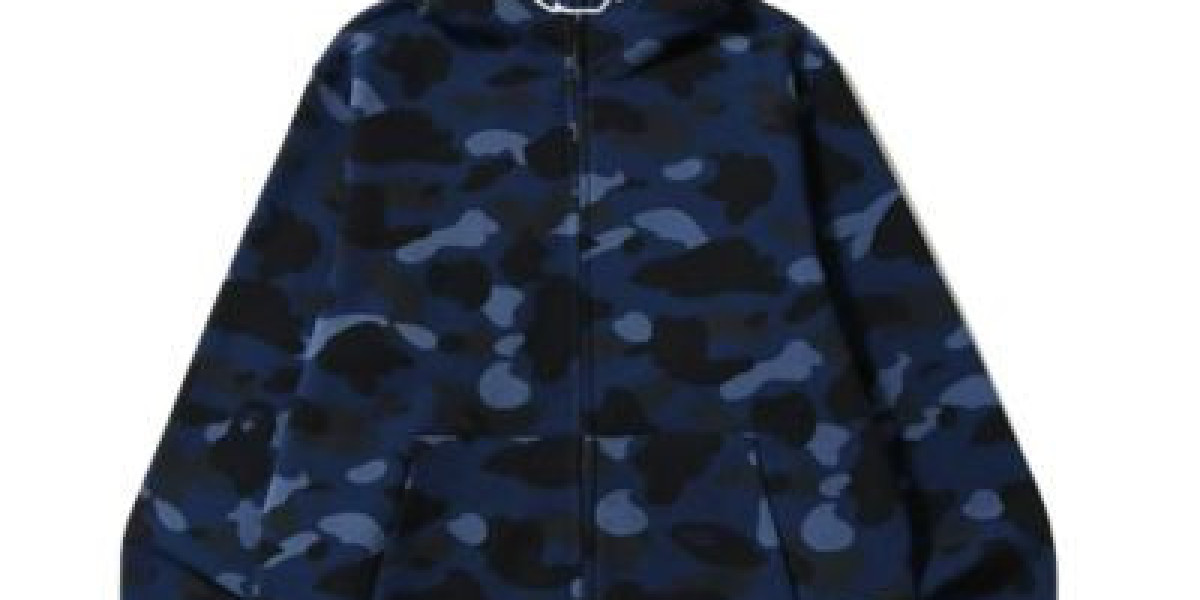

BAPE Still Carries the Hype, But the Market Has Shifted
BAPE has been a cornerstone of streetwear culture since Nigo launched it in Tokyo back in 1993. The brand's camo patterns and shark hoodies have built decades of cult-level loyalty across the US resale market. In 2026, BAPE still commands strong prices on platforms like StockX, GOAT, and Grailed without question. Limited drops and celebrity co-signs keep the demand alive even when supply feels tighter than usual. However, the resale velocity has slowed compared to its peak years during the early 2010s hypebeast era. Buyers are more selective now, and GenZ resellers especially want fast-moving inventory over slow-burn collectibles. BAPE is still profitable, but patience is now a required skill for anyone flipping it seriously.
Stussy Quietly Became the Smarter Reseller Play This Year
Stussy has spent the last few years rebuilding brand equity through collaborations, scarcity, and genuine cultural relevance. The Californian label feels more aligned with where streetwear taste is heading in 2026 than almost any other brand. GenZ and minimalist buyers respond to Stussy because it doesn't scream for attention the way louder brands constantly do. Its collabs with Nike, Our Legacy, and CDG have all moved quickly and generated strong secondary market returns. The price points are lower than BAPE on entry, which means the reseller audience is wider and more accessible overall. Faster sell-through rates mean capital isn't sitting idle, and that matters deeply in a competitive resale environment. If you're building a resale business in 2026, Stussy's consistency is genuinely hard to argue against.
Here Is What the Numbers Actually Tell Resellers Right Now
Before choosing a brand to focus on, every serious reseller should understand what the data is actually showing them. Here's a side-by-side breakdown of key resale metrics for both brands in 2026:
- Average resale markup — BAPE: 35–60% above retail on core pieces like hoodies and tees
- Average resale markup — Stussy: 20–45% above retail, but with significantly faster sell-through
- Sell-through speed — BAPE: 7 to 21 days average on StockX for non-collab items
- Sell-through speed — Stussy: 3 to 10 days average, especially on collab and seasonal drops
- Top platforms for BAPE: Grailed, StockX, and Japanese resale sites like Mercari JP
- Top platforms for Stussy: GOAT, Depop, and Instagram DM resale communities
Numbers shift seasonally, so tracking live data through tools like Pricechartr gives you the sharpest edge.
The GenZ Buyer Decides Which Brand Actually Wins on Resale
Understanding your buyer is more important than understanding the brand you're actually reselling in 2026. GenZ shoppers dominate both Depop and GOAT, and their preferences directly control which items move at speed. This generation values authenticity, wearability, and understated style over pure logo visibility and brand noise. Stussy fits that profile almost perfectly because it reads as cool without being aggressive or overly branded on the body. BAPE's bold graphics still have a dedicated audience, but that audience skews slightly older and more collector-oriented in its behavior. Minimalist GenZ buyers are more likely to wear Stussy regularly, which drives repeat purchases and stronger community demand. Resellers who understand their buyer's psychology will always outperform those who just chase headlines and drop calendars blindly.
Collab Drops Are Where Both Brands Print Money for Resellers
Collaborations remain the single highest-margin opportunity in the entire streetwear resale ecosystem right now in 2026. BAPE collabs with brands like Adidas and Marvel still generate massive spikes in secondary market pricing almost immediately. Stussy collaborations, however, tend to have broader appeal and attract buyers well outside the traditional streetwear consumer base. The Stussy x Nike and Stussy x Levi's drops in particular have shown exceptional resale performance across multiple demographic groups. Collab items from both brands should always be prioritized over general catalog pieces when you're allocating your buying budget. The key difference is that Stussy collabs tend to sell faster, while BAPE collabs tend to sell higher but require more time waiting. Smart resellers use BAPE collabs for bigger margins and Stussy collabs for consistent, reliable cash flow throughout the year.
Streetwear Minimalism Is Reshaping Demand Across the Resale Market
The broader cultural shift toward quiet luxury and minimalism is directly influencing what resellers can actually move in 2026. Loud branding and oversized graphics are losing ground with younger buyers who prefer clean, versatile pieces they can actually style. Stussy's aesthetic naturally aligns with this shift because its designs are restrained, wearable, and built for real everyday use. BAPE, by contrast, depends heavily on its signature loud visual identity, which polarizes minimalist-leaning buyers almost immediately. This doesn't mean BAPE is dying — it means its resale audience is becoming more niche and harder to convert quickly. Resellers targeting minimalist GenZ buyers in cities like LA, New York, and Chicago will find Stussy significantly easier to move. Adapting your inventory strategy to match cultural direction is how the sharpest resellers in 2026 stay consistently profitable.
Storage, Capital, and Risk All Favor One Brand Over the Other
Reselling is a business, and every business decision needs to account for risk, capital efficiency, and operational reality. BAPE pieces carry higher price tags, which means more capital tied up per unit and greater exposure if something doesn't sell. A single unsold BAPE hoodie sitting in inventory for three weeks costs you more than two unsold Stussy tees would. Stussy's lower price points allow resellers to diversify inventory and reduce the financial risk of any single slow-moving item. Faster sell-through also means you can reinvest profits more frequently, which compounds your returns over any given quarter. For newer resellers especially, starting with Stussy is a lower-risk path that still delivers genuinely solid margins in 2026. BAPE makes sense as a higher-stakes play once you have capital reserves and proven demand networks already supporting your operation.
The Verdict Is Clear If You Know What Kind of Reseller You Are
Both brands are profitable in 2026, but they reward very different types of resellers with very different operating styles. Stussy is the faster, more consistent, and lower-risk brand for resellers who prioritize cash flow and volume above all else. BAPE is the higher-ceiling play for patient resellers who understand collector psychology and can afford to wait for the right buyer. If you're a GenZ reseller just starting out, Stussy gives you speed, cultural alignment, and a buyer base that genuinely shops right now. If you're an experienced reseller with capital and connections, BAPE collabs still offer some of the best margin opportunities in the game. The smartest operators in 2026 are actually running both brands simultaneously, balancing fast Stussy volume against strategic BAPE collab flips. Know your cash flow needs, know your audience, and let that knowledge make the decision for you every single time.