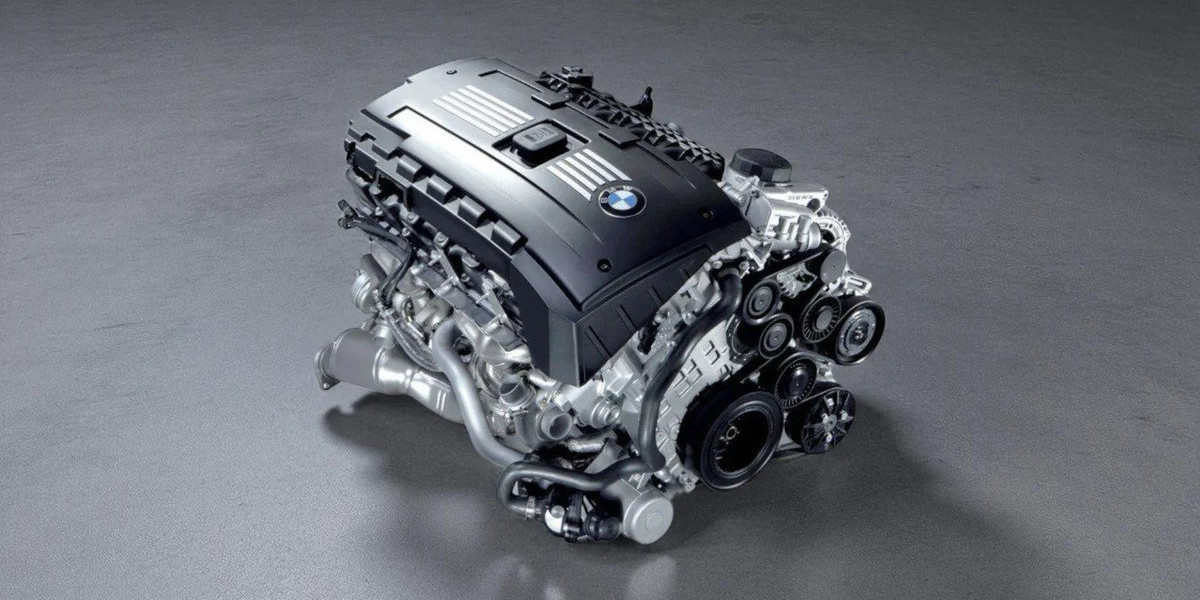

The BMW N55 engine is known for its smooth power delivery, turbocharged performance, and improved efficiency compared to earlier BMW turbo engines. Found in several BMW models, the engine became popular among drivers who wanted a balance between daily comfort and strong acceleration. However, like many performance-focused engines, the N55 can develop serious mechanical issues over time if maintenance is ignored or engine stress increases.
Many owners begin considering a BMW N55 engine rebuild after noticing repeated engine problems, excessive oil consumption, or loss of performance. Understanding the causes of these failures can help drivers make informed decisions before the damage becomes severe.
Common Problems Found in the N55 Engine
Turbocharged engines operate under high temperatures and pressure, which naturally increases wear on internal components. Over time, several parts within the engine may begin to fail, especially in vehicles with high mileage or inconsistent maintenance history.
Some common N55 engine issues include:
- Oil leaks from valve cover gaskets
- Cooling system failures
- Rod bearing wear
- Turbocharger problems
- Fuel injector issues
- Timing chain wear
- Carbon buildup on intake valves
Drivers often first notice warning signs such as rough idling, engine vibration, reduced acceleration, smoke from the exhaust, or unusual engine noises before seeking professional help.
Why Early Repairs Matter
Small engine problems rarely stay small for long. A minor oil leak can eventually reduce oil pressure, while overheating can damage cylinder heads, pistons, and internal seals.
Professional diagnosis helps identify the real source of the issue before complete engine failure occurs. Typical inspections during a BMW N55 engine rebuild process may include:
- Compression testing
- Leak-down testing
- Turbocharger inspection
- Oil pressure analysis
- Cooling system evaluation
- Internal component inspection
These tests help determine whether the engine requires minor repairs or a full rebuild.
What Happens During an Engine Rebuild?
A rebuild involves carefully disassembling the engine and inspecting all major internal components for wear or damage. Worn parts are either repaired or replaced to restore proper engine operation.
During rebuilding, technicians commonly replace:
- Pistons and rings
- Bearings
- Gaskets and seals
- Timing components
- Oil pump parts
- Valves and guides
A properly completed BMW N55 engine rebuild can restore engine reliability, improve performance, and extend the vehicle’s lifespan significantly.
Understanding the Purpose of an N55 Built Motor
Some drivers go beyond standard rebuilding and choose upgraded internal components for improved strength and durability. This is where an N55 built motor becomes important.
An upgraded engine build typically uses stronger forged pistons, reinforced connecting rods, upgraded bearings, and improved hardware designed to handle greater engine stress. This setup is often preferred by enthusiasts planning to increase turbo boost or horsepower output.
Because factory internals have performance limits, an N55 built motor can provide better long-term durability under aggressive driving conditions or modified tuning setups.
How Performance Modifications Affect Reliability
Many N55 engines remain reliable in factory condition when properly maintained. However, additional horsepower increases pressure inside the engine and places more stress on internal components.
Higher turbo boost, aggressive tuning, and repeated hard acceleration can accelerate wear on pistons, bearings, and cooling systems. Owners pursuing high-performance setups often consider an N55 built motor to reduce the risk of internal engine damage under increased load.
Maintenance Habits That Extend Engine Life
Preventive maintenance plays a major role in reducing expensive repairs and improving long-term engine reliability.
Helpful maintenance practices include:
- Using high-quality synthetic oil
- Performing regular oil changes
- Monitoring coolant temperatures
- Replacing leaking gaskets early
- Inspecting turbochargers regularly
- Addressing warning lights immediately
Consistent maintenance becomes even more important for vehicles running upgraded performance modifications.
Long-Term Reliability After Rebuilding
The long-term success of a rebuild depends heavily on proper assembly, quality replacement parts, and ongoing maintenance. Engines rebuilt correctly can continue operating reliably for many years.
Drivers who invest in professional rebuilding procedures and maintain the engine carefully often experience smoother operation, improved power delivery, and fewer major mechanical problems.
For higher horsepower applications, an N55 built motor may also improve engine stability and resistance to internal wear over time.
Final Thoughts
The N55 engine remains one of BMW’s most respected turbocharged platforms because of its balance between performance and everyday drivability. However, maintaining long-term reliability requires proper care, early diagnosis, and timely repairs.
Understanding common engine problems and recognizing warning signs early can help prevent severe damage and costly failures. Whether maintaining a stock vehicle or considering an N55 built motor for additional performance, proper maintenance and professional rebuilding procedures remain essential for keeping the engine operating reliably.