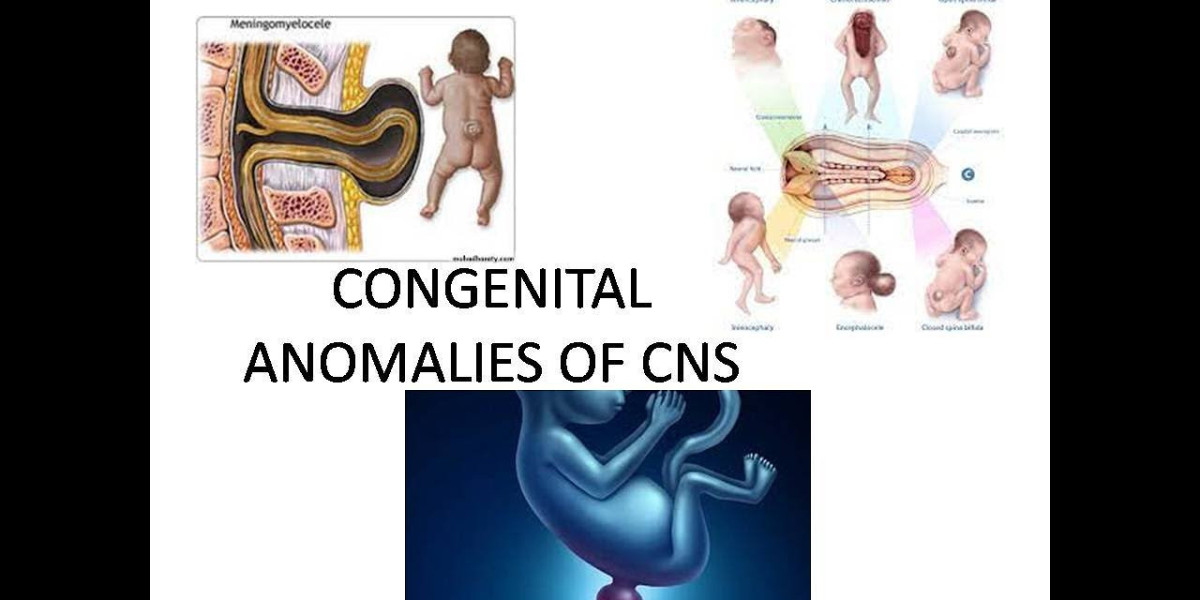

Congenital Anomalies in Riyadh are increasingly being understood through the lens of maternal health, with clinical research in the capital’s tertiary centers highlighting a complex web of risk factors that influence the development of structural birth defects. As the demographic and health landscape in the city evolves, identifying and managing these maternal variables has become a cornerstone of preventative pediatric medicine, aimed at reducing the overall incidence of anomalies.
The Impact of Metabolic and Chronic Health Conditions
One of the most consistently identified risk factors in Riyadh’s clinical data is the high prevalence of maternal metabolic disorders. Gestational diabetes mellitus (GDM) and pre-existing diabetes remain primary concerns; data from major hospitals demonstrate a clear statistical correlation between sub-optimally controlled maternal glucose levels during the periconceptional period and an increased risk of structural malformations. These defects frequently involve the cardiovascular and central nervous systems, reflecting the sensitivity of early embryonic organogenesis to maternal metabolic instability.
Beyond diabetes, maternal obesity and hypertension have also been flagged as critical variables. These conditions often create a complex pregnancy environment that may alter uterine blood flow or systemic inflammation, potentially impacting fetal development. The management of these conditions is now prioritized in prenatal clinics, where the objective is to achieve stable glycemic and blood pressure control well before or immediately upon the confirmation of pregnancy.
Demographic and Reproductive Variables
The epidemiology of congenital anomalies in Riyadh is deeply influenced by specific demographic trends, particularly the high rate of consanguinity. Clinical studies have frequently identified marriage between close relatives as an independent risk factor for hereditary structural defects, especially those following an autosomal recessive pattern. This demographic reality necessitates a focused approach to genetic counseling. Increasingly, couples in the region are encouraged to participate in pre-conception genetic screening, which can identify carrier status for specific recessive conditions and guide family planning decisions.
Furthermore, maternal age plays a measurable role in the birth defect profile. Observations indicate that advanced maternal age—typically defined as 35 years or older—is associated with an increased incidence of chromosomal abnormalities, such as Trisomy 21 and other aneuploidies. As patterns of marriage and family planning continue to shift in urban environments, the clinical focus on geriatric pregnancies has intensified, with more robust prenatal testing protocols being integrated into standard obstetric care.
Nutritional Status and Supplementation
The role of maternal nutrition, particularly regarding folate intake, cannot be overstated. Neural tube defects (NTDs) represent a significant portion of preventable congenital anomalies, and their incidence is highly sensitive to maternal folic acid levels. While public health campaigns and the availability of prenatal vitamins have made progress, clinical audits suggest that there is still room to improve population-wide compliance. The effort to ensure that all women of childbearing age understand the critical importance of periconceptional folic acid supplementation remains a top priority for obstetric services in Riyadh.
Integrated Prenatal Management
The current strategy in Riyadh’s tertiary care settings has shifted toward an integrated model that addresses these risk factors early. This proactive approach includes:
Risk Profiling: Every high-risk pregnancy is screened for known maternal comorbidities that could predispose the fetus to developmental anomalies.
Specialized Monitoring: Once a risk factor is identified, care is escalated. This may involve early fetal echocardiography to check for cardiac anomalies in pregnancies complicated by diabetes or specialized genetic counseling for consanguineous couples.
Multidisciplinary Coordination: Obstetricians work closely with endocrinologists, nutritionists, and geneticists to create a comprehensive management plan. This ensures that the maternal environment is as optimized as possible to support healthy fetal development.
Future Perspectives in Prevention
As the medical community in Riyadh continues to refine its understanding of the correlation between maternal health and structural birth defects, the focus is moving toward precision prevention. By leveraging better data collection through city-wide registries, researchers aim to identify not just generalized risk factors, but also specific lifestyle or environmental triggers that may be unique to the local population.
Ultimately, the goal is to bridge the gap between identifying risk and preventing the onset of anomalies. By empowering mothers with the knowledge and clinical support necessary to manage their health prior to and during pregnancy, the healthcare system is working to reduce the burden of congenital anomalies. The ongoing evolution of prenatal and preconception care stands as one of the most effective tools in improving health outcomes for the next generation.