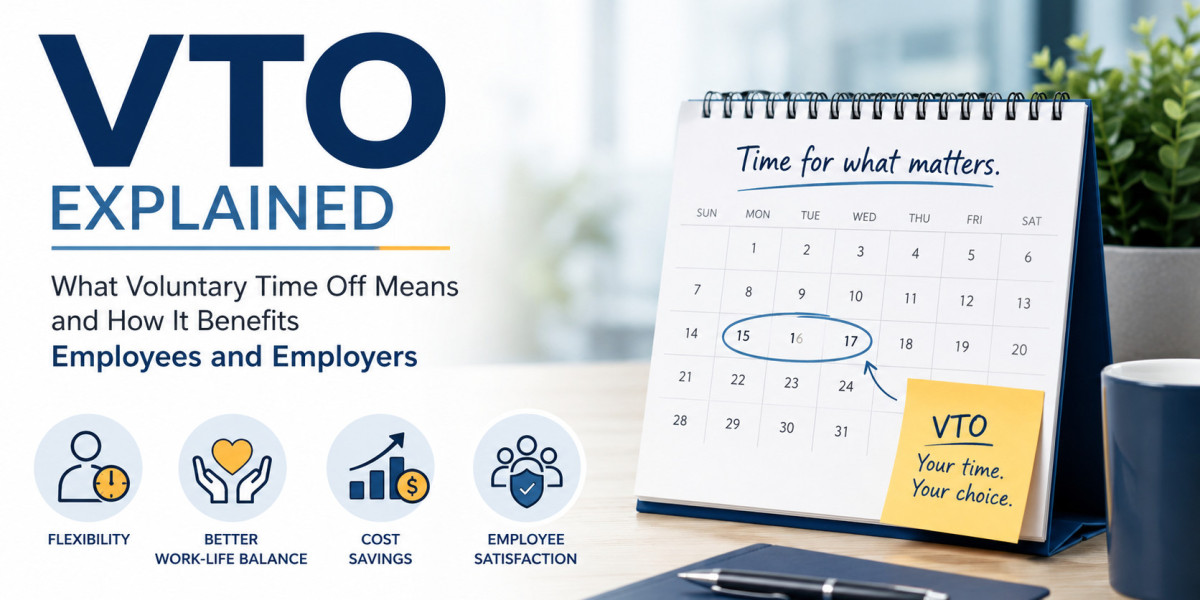

VTO, or Voluntary Time Off, is a policy of a workplace that allows workers to take time off from work when there is less demand for their services than anticipated. VTO is different from mandatory layoffs and/or reduced schedules because it is optional, allowing employees to choose whether or not they would like to use the time off.
VTO is utilized by many organizations to control their staffing during lean periods, thereby not spending unnecessarily on labor. The opportunity is welcomed by employees who are seeking extra personal time.
How Voluntary Time Off Works
If a company's workload suddenly relaxes, the management might provide VTO for employees who meet the requirements. The choice is up to the workers and depends on their individual and financial situation.
Typically installed:
Management notifications available VTO hours/shifts.
Executive or non-executive employees volunteering for time off.
Approval for staffing needs and company policies.
Employees on approved leave without pay during the approved leave period.
Since VTO is voluntary, employees are not generally obliged to agree to requests for VTO.
Companies offer VTO for the following reasons:
There are several practical reasons that businesses use VTO. Typical events are seasonal slowdowns, a decline in demand from customers, stock shortages, delays, or unexpected production delays.
Voluntary time off can be used to assist organizations:
Cut costs on labor during slow times.
Avoid involuntary layoffs.
Maintain workforce flexibility.
Be flexible with scheduling to increase employee satisfaction.
Ensure staffing levels are balanced without compromising services.
Benefits of VTO for Employees
When a worker desires flexibility in his/her work pattern, Voluntary Time Off may be helpful.
More Personal Time
VTO can be used for any reason to allow employees time to be with their family, go to personal appointments, travel, or just to get away from work duties.
Better Work-Life Balance
VTO is an opportunity for employees who feel overworked or who have personal obligations to take a rest period without taking vacation time.
Reduced Workplace Stress
A little bit of a break may enable workers to come back revitalized and concentrated.
Increased Schedule Flexibility
The VTO gives employees greater flexibility in their work schedule, which helps them balance their work and personal lives.
Employers benefit in several ways when they implement VTO:
Employers can also gain significant advantages from implementing a Voluntary Time Off program.
Cost Savings
Businesses can also save on labor expenses when demand is low, which can help them withstand economic downturns. When demand is low, businesses can also lower labor expenses, ensuring they remain financially stable.
Improved Employee Morale
Giving workers the option to cut back on hours can give rise to a better work environment.
Workforce Retention
Flextime or flexible working arrangements can benefit the business and the employee, helping to curb employee turnover and increase retention.
Operational Efficiency
VTO can assist companies in matching the number of employees required with the actual work demands without making any permanent changes to the workforce.
A few of the drawbacks of VTO
Although there are numerous advantages to VTO, there are some things to keep in mind for both the employer and employee.
The earnings of employees will be less.
Since VTO is usually unpaid, employees may experience a temporary decrease in earnings.
Staffing Challenges
If the number of employees who volunteer is excessive, employers may have to limit approvals to ensure they have enough coverage.
Policy Confusion
In the absence of clear instructions, workers could misunderstand what eligibility constitutes, the process needed to guarantee approval, and how this would affect benefits.
It's important to grasp the difference so employees can make informed decisions around time off.
Best Practices for Implementing a VTO Program.
For organizations providing Voluntary Time Off, policies and procedures should be in place. Factors to take into account are eligibility criteria, approval procedures, scheduling policies and communication protocols.
Employers should make sure employees are aware of:
If VAT is paid or unpaid.
The approval process for requests.
Any effects of benefits or accruals.
Minimum staffing requirements.
Advance notice expectations.
When it comes to the workforce, transparency can help to avoid confusion and ensure fairness.
Is VTO Right for Your Workplace?
Voluntary Time Off can be an effective workforce management strategy when used appropriately. It offers flexibility to employees and helps businesses manage their labor expenses during slow demand periods.
For companies looking for other options besides layoffs or a mandated schedule change, VTO is a viable option for both employees and employers. But if it is backed up by transparent policies and dialogue, Voluntary Time Off can help make the workplace more flexible and employee-friendly.
Summary
Understanding the VTO meaning is very crucial; it is also known as Voluntary Time Off (VTO). VTO is a flexible workplace option that enables your employees to take unpaid leave when there is less business activity. It enables organizations to manage costs and provides more control for employees when it comes to their schedules. VTO can be a worthwhile component of a wider workforce plan, or can be considered as part of a single strategy for managing workforce demands and expectations on an occasional basis.