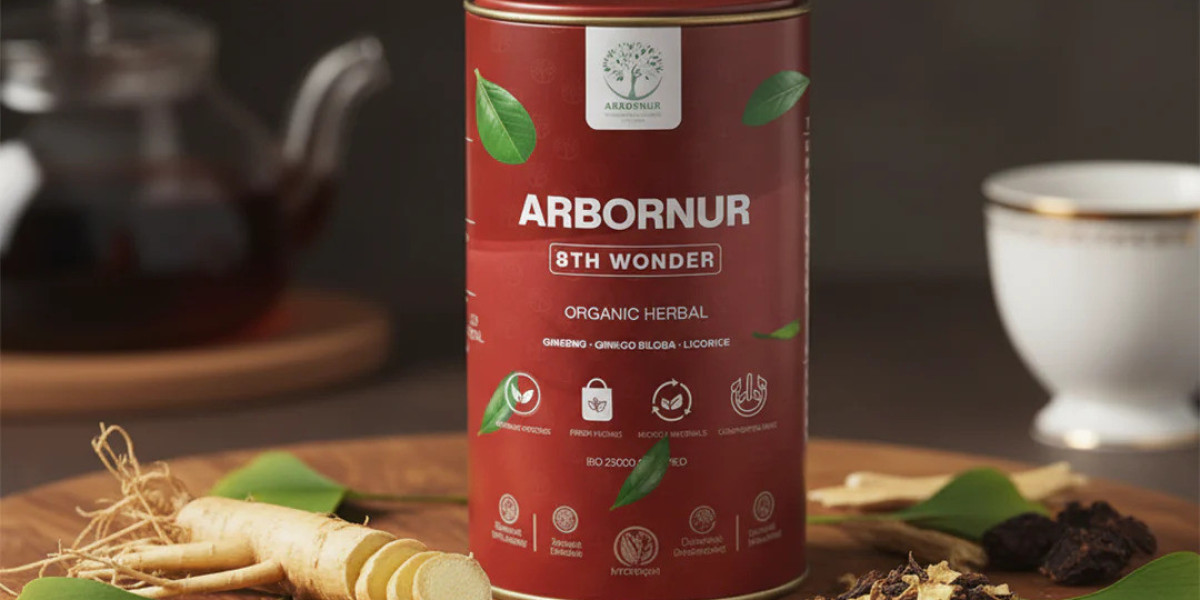

Organic herbal teas have become a popular choice for people who want a calming, natural, and flavorful drink without relying on caffeine or artificial ingredients. Unlike regular black or green tea, herbal teas are usually made from dried flowers, leaves, roots, seeds, fruits, and herbs. They are not always made from the traditional tea plant, Camellia sinensis. Instead, they come from nature’s wide variety of plants, each offering its own taste, aroma, and soothing qualities.
The word “organic” makes these teas even more appealing. Organic herbal teas are grown without synthetic pesticides, artificial fertilizers, or harmful chemicals. This means the herbs are cultivated in a cleaner and more environmentally friendly way. For many tea lovers, organic herbal tea is not just a drink. It is a lifestyle choice connected with health, mindfulness, sustainability, and simple daily comfort.
What Are Organic Herbal Teas?
Organic herbal teas are natural infusions made by steeping organic herbs, flowers, roots, spices, or fruits in hot water. They are often called “tisanes” because they do not always contain actual tea leaves. Common examples include chamomile tea, peppermint tea, ginger tea, hibiscus tea, rooibos tea, lavender tea, lemongrass tea, and turmeric tea.
These teas are loved for their gentle flavors and natural aromas. Some are floral and soft, while others are spicy, earthy, fruity, or refreshing. Since most herbal teas are naturally caffeine-free, they are often enjoyed in the evening, before bedtime, or during moments of relaxation.
Organic herbal teas are different from conventional herbal teas mainly because of how the ingredients are grown and processed. Organic farming focuses on soil health, biodiversity, and natural growing methods. This helps reduce chemical exposure and supports a cleaner environment.
Why People Choose Organic Herbal Teas
People choose organic herbal teas for many reasons. One of the biggest reasons is the desire for a more natural drink. Many packaged beverages contain sugar, artificial flavors, colors, preservatives, and high levels of caffeine. Organic herbal teas offer a simpler alternative. They are usually made from pure plant ingredients and can be enjoyed without added sugar.
Another reason is comfort. A warm cup of herbal tea can create a peaceful feeling after a long day. The simple act of boiling water, steeping herbs, and slowly drinking tea can become a calming routine. In a busy world, this small ritual gives people a chance to pause, breathe, and relax.
Many people also enjoy herbal teas because they offer variety. There is a herbal tea for almost every mood and season. Peppermint tea feels cool and refreshing. Chamomile tea feels soft and calming. Ginger tea feels warm and energizing. Hibiscus tea feels bright and fruity. This variety makes organic herbal teas enjoyable for people with different taste preferences.
Popular Types of Organic Herbal Teas
Chamomile tea is one of the most well-known herbal teas. It has a mild, floral taste and is often enjoyed in the evening. Many people connect chamomile tea with relaxation and bedtime routines. Its gentle aroma makes it a favorite for those who prefer soft and soothing flavors.
Peppermint tea is another popular choice. It has a fresh, cooling taste and a clean aroma. It is often enjoyed after meals because of its refreshing nature. Peppermint tea can be served hot during winter or iced during summer.
Ginger tea has a warm, spicy flavor. It is made from dried or fresh ginger root and is often combined with lemon or honey. Organic ginger tea is especially popular in colder months because it creates a warming feeling in the body.
Hibiscus tea has a deep red color and a tangy, fruit-like taste. It can be enjoyed hot or cold. Because of its bold color and refreshing flavor, hibiscus tea is often used in iced tea blends.
Rooibos tea comes from South Africa and has a naturally sweet, earthy flavor. It is caffeine-free and has a smooth taste. Many people enjoy rooibos with milk, honey, cinnamon, or vanilla.
Lavender tea has a floral aroma and a delicate taste. It is often blended with chamomile, lemon balm, or mint. Lavender tea is usually chosen for quiet moments, evening routines, or self-care rituals.
Lemongrass tea has a citrus-like flavor without being too sour. It feels light, fresh, and clean. It is often used in blends with ginger, mint, or green herbs.
Turmeric tea has an earthy, slightly bitter taste and a golden color. It is often blended with ginger, black pepper, cinnamon, or lemon. This tea is popular among people who enjoy bold, warming flavors.
The Taste and Aroma Experience
One of the most beautiful things about organic herbal teas is the sensory experience. Before even taking the first sip, the aroma begins to create a mood. Chamomile smells soft and floral. Peppermint smells cool and sharp. Ginger smells spicy and warm. Hibiscus smells fruity and bright.
The taste of herbal tea can be simple or complex depending on the blend. Some teas contain only one ingredient, while others include several herbs, flowers, spices, and fruits. A blend of chamomile, lavender, and lemon balm may taste calm and floral. A blend of ginger, turmeric, and cinnamon may taste warm and strong. A blend of hibiscus, rosehip, and orange peel may taste fruity and refreshing.
Organic herbal teas also allow people to enjoy flavor without needing heavy sweeteners. Many herbal teas have natural sweetness from ingredients like licorice root, cinnamon, apple pieces, or rooibos. Even without sugar, they can still feel satisfying.
Organic Herbal Teas and Daily Wellness
Herbal teas are often linked with daily wellness because they encourage healthier drinking habits. Replacing sugary drinks with herbal teas can be a simple step toward a more balanced lifestyle. Since many herbal teas are caffeine-free, they can be enjoyed throughout the day without the same stimulating effect as coffee or regular tea.
A morning cup of ginger or lemongrass tea can feel refreshing. An afternoon cup of peppermint or hibiscus tea can offer a light break. An evening cup of chamomile or lavender tea can help create a peaceful routine. This makes herbal tea easy to include in daily life.
It is important to understand that herbal teas are not medicines and should not be treated as a cure for health problems. However, they can support a healthy lifestyle when used as part of balanced eating, proper hydration, rest, and mindful habits. People who are pregnant, taking medication, or dealing with medical conditions should speak with a healthcare professional before using strong herbal blends regularly.
The Importance of Choosing Organic
Choosing organic herbal tea matters because herbs are directly steeped in hot water. This means the quality of the plant ingredients is important. Organic teas are grown with standards that avoid synthetic chemicals and focus on natural farming practices.
Organic farming also helps protect soil, water, insects, and surrounding ecosystems. It supports cleaner agricultural methods and often encourages more responsible production. For people who care about sustainability, organic herbal teas are a thoughtful choice.
The taste may also feel cleaner and more natural. High-quality organic herbal teas often have stronger aromas, better color, and fresher flavor. Since they are usually made with carefully selected herbs, the drinking experience can feel richer and more enjoyable.
Loose Leaf vs Tea Bags
Organic herbal teas are available in both loose leaf form and tea bags. Loose leaf herbal tea often contains larger pieces of herbs, flowers, roots, and fruits. This can give a fuller flavor because the ingredients have more space to expand in hot water.
Tea bags are convenient and easy to use. They are good for quick preparation at home, work, or while traveling. Many organic brands now offer plastic-free, compostable, or unbleached tea bags, which are better for people who care about reducing waste.
Both options can be good depending on personal preference. Loose leaf tea may be better for people who enjoy the full tea-making ritual. Tea bags may be better for people who want speed and convenience.
How to Prepare Organic Herbal Tea
Preparing organic herbal tea is simple, but small details can improve the taste. Start with fresh water and heat it until it reaches a gentle boil. Place the tea bag or loose herbs in a cup or teapot. Pour hot water over the herbs and cover the cup while it steeps. Covering helps keep the aroma and natural oils inside the tea.
Most herbal teas need to steep for five to ten minutes. Roots and spices like ginger, turmeric, or cinnamon may need a little longer to release their full flavor. Flowers and leaves like chamomile, mint, or lavender usually need less time.
After steeping, the tea can be enjoyed plain or with natural additions. Honey, lemon, cinnamon, or a slice of fresh ginger can improve the flavor. For summer, many herbal teas can be chilled and served as iced tea with fruit slices and ice.
Organic Herbal Tea as a Mindful Ritual
Beyond taste and wellness, organic herbal tea can become a mindful ritual. In many homes, making tea is more than preparing a drink. It is a moment of care. The warmth of the cup, the rising steam, and the quiet pause can create a peaceful feeling.
This ritual can be helpful in the morning before starting work, in the afternoon during a break, or at night before sleep. It encourages people to slow down and be present. In this way, organic herbal tea becomes part of emotional comfort and everyday balance.
Final Thoughts
Organic herbal teas offer a simple, natural, and enjoyable way to bring more calm and flavor into daily life. They are made from plants, flowers, roots, fruits, and spices that create a wide range of tastes and aromas. From soothing chamomile to refreshing peppermint, warming ginger to fruity hibiscus, there is an organic herbal tea for every mood.
Choosing organic adds another layer of value. It supports cleaner farming, reduces exposure to synthetic chemicals, and promotes a more sustainable approach to everyday drinking. Whether enjoyed hot in winter, iced in summer, or as part of a peaceful evening routine, organic herbal tea is a timeless drink that connects people with nature in a gentle and comforting way.
For anyone looking for a natural beverage that is flavorful, caffeine-free, and easy to enjoy, Buy herbal teas in australia are a beautiful choice. They turn simple herbs into a daily moment of warmth, relaxation, and mindful living.
FAQs About Organic Herbal Teas
What are organic herbal teas?
Organic herbal teas are natural drinks made from organic herbs, flowers, roots, fruits, or spices steeped in hot water.
Are organic herbal teas caffeine-free?
Most herbal teas are naturally caffeine-free, but some blends may include caffeine-containing ingredients. Always check the label.
Why choose organic herbal tea?
Organic herbal tea is grown without synthetic pesticides or artificial fertilizers, making it a cleaner and more natural choice.
Can I drink organic herbal tea daily?
Yes, many herbal teas can be enjoyed daily as part of a balanced lifestyle.
What are the most popular herbal teas?
Popular options include chamomile, peppermint, ginger, hibiscus, lavender, rooibos, and lemongrass tea.
When is the best time to drink herbal tea?
Chamomile or lavender is good for evenings, peppermint after meals, and ginger in the morning or colder weather.
How long should herbal tea steep?
Most herbal teas should steep for 5 to 10 minutes for the best flavor.
Can herbal tea be served cold?
Yes, many herbal teas like hibiscus, peppermint, and lemongrass taste great as iced tea.