
Cryotherapy for Skin Lesions: Benefits and Expectations
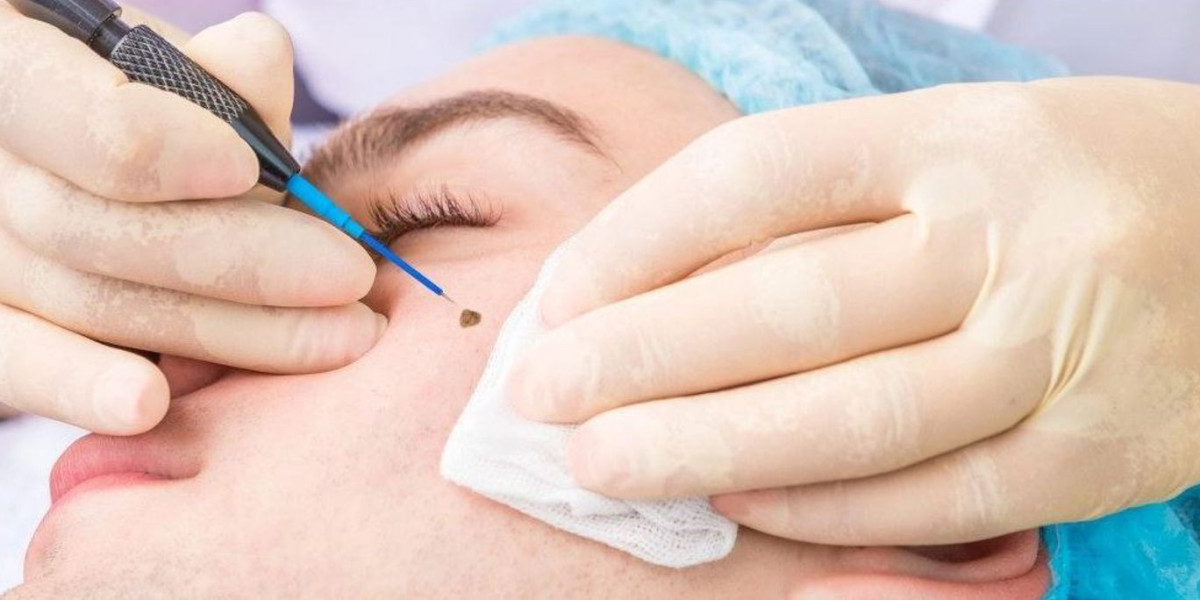
Cryotherapy is a highly effective, minimally invasive procedure commonly used for Skin Lesion Removal in Riyadh to treat a variety of benign, precancerous, and viral skin growths. By applying liquid nitrogen at extreme temperatures (approximately -196°C), the treatment induces controlled tissue destruction, allowing the body to naturally shed the lesion and regenerate healthy skin.
How Cryotherapy Works
The procedure functions through a rapid freeze-thaw cycle that targets the lesion’s cellular structure:
Cellular Destruction: The extreme cold causes the formation of ice crystals within and between cells, leading to osmotic injury and eventual cell death (necrosis).
Vascular Stasis: The freezing process damages the tiny blood vessels supplying the lesion, effectively cutting off its blood supply.
Immune Response: In some cases, the destruction of cells releases antigens that may trigger a local immune response, which can be particularly beneficial for treating certain viral conditions like warts.
Benefits of the Procedure
Speed and Efficiency: A session typically lasts only a few minutes and is usually performed during a standard office visit without the need for hospital admission.
Minimal Invasiveness: Unlike surgical excision, cryotherapy does not require scalpels or sutures, resulting in a lower risk of infection and minimal bleeding.
Cost-Effectiveness: It is often a more affordable option compared to other surgical or advanced laser procedures.
Proven Efficacy: It is a gold-standard treatment for common conditions such as warts, seborrheic keratosis, actinic keratoses (precancerous sun spots), and skin tags.
What to Expect During and After Treatment
During the Procedure: You may feel a sharp stinging, burning, or cold sensation as the liquid nitrogen is applied. This discomfort is usually brief and subsides shortly after the treatment.
Immediate Aftermath: It is normal for the area to become red, swollen, or tender. You may experience minor throbbing for a few hours.
Blistering: A blister—sometimes filled with clear or bloody fluid—often forms within hours or a few days. This is a positive sign that the treatment is working. Do not pop or remove the roof of the blister, as it acts as a natural bandage protecting the healing skin underneath.
Scabbing and Healing: Once the blister dries, it will form a scab or crust. This will naturally peel away on its own over the next 1–3 weeks as new, healthy skin forms.
Essential Aftercare
To ensure optimal healing and minimize the risk of scarring or discoloration:
Cleanliness: Gently wash the area daily with mild soap and water.
Protection: Keep the area covered with a clean bandage if it is in an area prone to friction from clothing.
Hydration: Apply a thin layer of petroleum jelly or a recommended ointment twice daily to keep the site moist and prevent premature scabbing.
Avoid Irritants: Do not pick, scratch, or peel the scab or blister. Avoid harsh skincare products, swimming pools, or hot tubs until the area is fully healed.
Sun Safety: Once the lesion has healed, the new skin will be sensitive. Use a broad-spectrum sunscreen (SPF 30+) to protect the area from UV damage, which can help prevent post-inflammatory hyperpigmentation (darkening) or hypopigmentation (lightening) of the skin.
While many lesions resolve with a single session, some thicker or more resistant growths (such as deep-seated warts) may require multiple treatments spaced 2–4 weeks apart. Always monitor the site for signs of infection, such as increased warmth, spreading redness, or foul-smelling drainage, and contact your specialist if you have concerns during the healing process.